How to Train Your Dog Not to Bark: A Complete Training GuideBarking is a natural form of canine communication, but excessive barking can become problematic for dog owners and their neighbors. Whether your dog barks at strangers, other animals, or seemingly nothing at all, understanding the root causes and implementing effective training techniques can help you reduce unwanted barking behavior. This comprehensive guide will walk you through proven methods to train your dog to bark less while maintaining their ability to communicate appropriately. 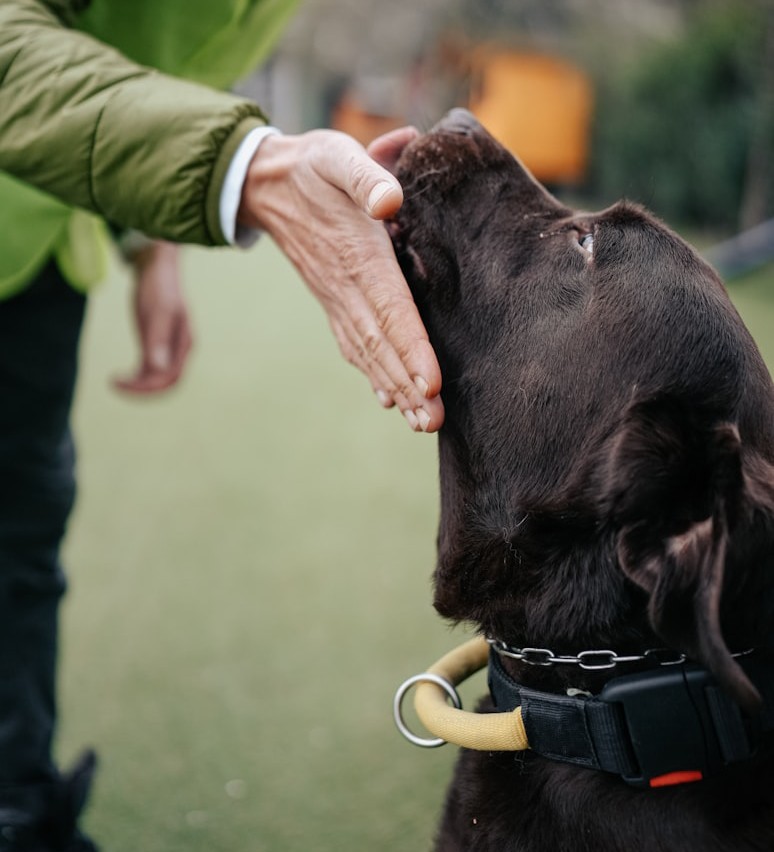 Effective training can help reduce excessive barking while maintaining healthy communication Effective training can help reduce excessive barking while maintaining healthy communicationUnderstanding Why Dogs BarkBefore you can effectively address excessive barking, it's essential to understand that barking serves multiple purposes in canine communication. Dogs bark to express emotions, alert their owners to potential threats, seek attention, or respond to environmental stimuli. Unlike humans who primarily use verbal language, dogs rely heavily on vocalizations, body language, and scent to communicate. Evolutionary factors play a significant role in barking behavior. Dogs were domesticated from wolves thousands of years ago, and while wolves rarely bark, selective breeding has enhanced this trait in dogs. Different breeds were developed for specific purposes, and some were intentionally bred to bark more frequently, such as guard dogs and herding breeds. Important Note: Understanding the motivation behind your dog's barking is the foundation of successful training. Never punish a dog for barking without first identifying and addressing the underlying cause. The key factors that influence barking behavior include genetics, early socialization experiences, training history, environmental stimuli, physical health, and emotional state. A dog that barks excessively may be experiencing anxiety, boredom, fear, or inadequate mental stimulation. Identifying which factors apply to your specific situation will help you develop an effective training plan.  Dogs use barking as one of many forms of communication Dogs use barking as one of many forms of communicationTypes of Barking and Their MeaningsNot all barking is created equal. Dogs produce different types of barks depending on the situation and their emotional state. Recognizing these variations will help you respond appropriately and tailor your training approach.
Alert barking is one of the most common types and often the most challenging to address because it's reinforced by the "threat" going away. For example, when a dog barks at a mail carrier and the carrier leaves, the dog learns that barking makes threatening things disappear, which strengthens the behavior. Anxiety-based barking requires a different approach than attention-seeking barking. While attention-seeking behavior should generally be ignored, anxiety-based barking needs compassionate intervention that addresses the root emotional state. This might include creating safe spaces, using calming aids, or consulting with a veterinary behaviorist for severe cases. ↑ Back to MenuAssessing Your Dog's Barking ProblemBefore implementing any training program, you need to conduct a thorough assessment of your dog's barking behavior. This evaluation will help you identify patterns, triggers, and the severity of the problem. Start by keeping a barking diary for at least one week. Record the time of day, duration of barking episodes, what triggered the barking, and how you responded. Note your dog's body language and any environmental factors that might be relevant. This data will reveal patterns you might not have noticed and help you identify specific situations that need to be addressed. Key Questions to Consider: • How frequently does your dog bark throughout the day? It's also important to rule out medical causes for excessive barking. Pain, cognitive decline in senior dogs, hearing loss, and certain medical conditions can all contribute to increased vocalization. If your dog's barking has suddenly increased or changed in character, consult your veterinarian before assuming it's purely a behavioral issue. Consider your dog's daily routine and enrichment opportunities. Many dogs bark excessively simply because they're understimulated. Ask yourself whether your dog receives adequate physical exercise, mental stimulation through training or puzzle toys, and appropriate social interaction with humans and other dogs.  Proper assessment helps identify the root causes of excessive barking Proper assessment helps identify the root causes of excessive barkingTeaching the "Quiet" CommandThe "Quiet" command is one of the most valuable tools in managing barking behavior. This command teaches your dog to stop barking on cue, giving you control over the behavior without suppressing all vocalization. Step-by-Step Training ProcessStep 1: Capture the Bark - You need to start by actually allowing your dog to bark a few times. This might seem counterintuitive, but you need the barking behavior to occur before you can teach your dog to stop it on command. Wait for a natural barking trigger or create one by having someone ring the doorbell. Step 2: Mark the Silence - The moment your dog stops barking, even for a brief second, immediately mark that moment with a verbal marker like "Yes!" or use a clicker. Timing is absolutely critical here. The marker must occur within one second of the silence to create a clear association. Step 3: Reward Immediately - After marking the silence, immediately deliver a high-value treat. Use something your dog finds especially motivating, such as small pieces of chicken, cheese, or commercial training treats. The reward should be small enough that your dog can consume it quickly and return attention to you. Step 4: Add the Verbal Cue - Once your dog consistently stops barking after a few woofs, start adding your verbal cue. Say "Quiet" in a calm, firm tone just before you expect your dog to stop barking naturally. Over time, your dog will learn to associate this word with the action of becoming quiet. Step 5: Extend Duration - Gradually increase the length of time your dog must remain quiet before receiving the reward. Start with just one second of silence, then two seconds, then five seconds, and so on. This teaches your dog that "Quiet" means sustained silence, not just a momentary pause. Pro Training Tip: Never shout "Quiet!" at your barking dog. Your raised voice can actually sound like barking to your dog and may encourage more barking. Always use a calm, firm tone. Common challenges during this training include dogs who are too aroused to focus on treats, difficulty timing the marker correctly, and inconsistent application of the command by different family members. If your dog is too excited to take treats, you may need to practice in less stimulating environments first and gradually work up to more challenging situations. 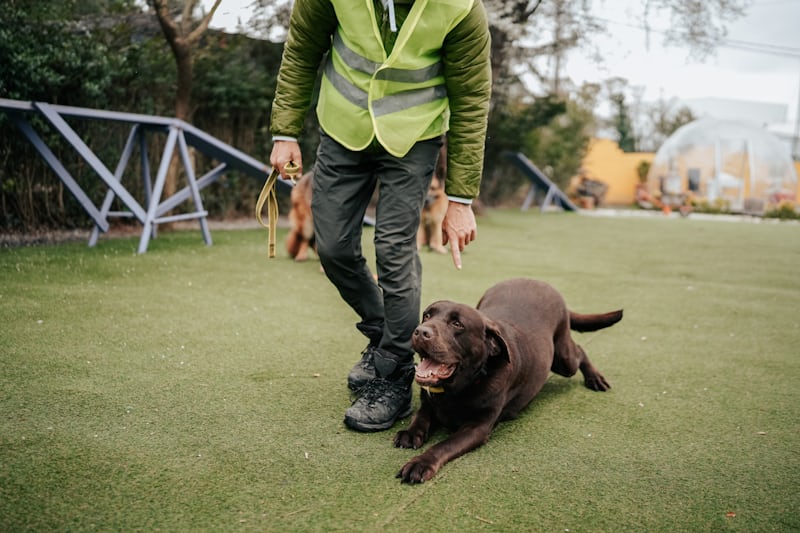 Teaching the quiet command requires patience and precise timing Teaching the quiet command requires patience and precise timingPositive Reinforcement TechniquesPositive reinforcement is the most effective and humane method for modifying barking behavior. This approach focuses on rewarding desired behaviors rather than punishing unwanted ones, creating a positive learning environment that strengthens your bond with your dog. The fundamental principle of positive reinforcement is simple: behaviors that are rewarded are more likely to be repeated. When applied to barking reduction, this means you'll focus on rewarding your dog for being quiet rather than punishing them for barking. Implementing Reward-Based TrainingCatch and reward quiet moments throughout the day, not just during formal training sessions. When you notice your dog resting quietly, calmly approach and give them a treat with verbal praise. This random reinforcement schedule can be incredibly powerful because your dog learns that being quiet pays off at unpredictable times, which maintains their motivation. Create incompatible behaviors that prevent barking. For example, it's difficult for a dog to bark while holding a toy in their mouth or performing a "down-stay" command. Teaching your dog to fetch their favorite toy when the doorbell rings gives them an alternative behavior that's incompatible with barking. Use differential reinforcement to reward progressively quieter responses. If your dog typically barks twenty times at the doorbell, reward them enthusiastically when they only bark fifteen times. As they improve, raise your criteria gradually, always setting your dog up for success rather than failure. 🔍 Looking for Low-Barking Hypoallergenic Breeds?If you're searching for a dog that naturally barks less and is also hypoallergenic, you might want to explore breeds that combine both qualities. Some hypoallergenic breeds are known for their quieter temperaments, making them ideal for apartment living or noise-sensitive environments. Find the perfect match for your lifestyle - allergies and noise considerations included! Check out our detailed guide on Top 10 Hypoallergenic Dogs That Don't Bark Much to learn about breeds that combine low-shedding coats with quieter dispositions. Types of RewardsFood rewards are highly effective for most dogs, but variety is important. Rotate between different types of treats to maintain your dog's interest. High-value rewards should be reserved for particularly challenging situations or breakthrough moments in training. Verbal praise and physical affection are also valuable rewards, though they're typically less motivating than food for most dogs during initial training. As your dog's behavior improves, you can gradually replace some food rewards with praise and petting. Life rewards can be incredibly effective. These are privileges your dog values, such as access to the yard, permission to greet a visitor, or release to play. For example, if your dog remains quiet when guests arrive, their reward might be permission to approach and greet the guest. ↑ Back to MenuDesensitization and Counter-ConditioningFor dogs who bark at specific triggers, desensitization and counter-conditioning are powerful techniques that change your dog's emotional response to stimuli. These methods are particularly effective for addressing fear-based, anxiety-driven, or territorial barking. Understanding the ProcessDesensitization involves gradually exposing your dog to the trigger at such a low intensity that they don't react, then slowly increasing the intensity over many sessions. The key is to work below your dog's reaction threshold, which means finding the level at which your dog notices the trigger but doesn't bark or show signs of stress. Counter-conditioning changes your dog's emotional response by pairing the trigger with something positive. Instead of feeling threatened or excited by the doorbell, your dog learns to associate it with good things happening. This creates a new, positive emotional response that's incompatible with the arousal that typically triggers barking. Practical ImplementationLet's say your dog barks excessively at people walking past your window. Start by identifying the distance at which your dog can see a person without barking - this might be 50 feet away. Have a helper walk at this distance while you feed your dog a continuous stream of high-value treats. The person appears, treats happen. The person leaves, treats stop. Gradually decrease the distance over multiple sessions, always staying below threshold. If your dog starts barking, you've moved too fast and need to increase the distance again. This process requires patience and might take weeks or even months for severe cases, but the results are lasting because you're changing your dog's fundamental emotional response. Critical Success Factor: Never force your dog to remain in a situation where they're overwhelmed and barking excessively. This can worsen the problem through a process called flooding, which can increase anxiety and fear rather than reducing it. For noise-based triggers like doorbells or thunder, you can use recorded sounds played at very low volume initially. Pair the quiet sound with treats or play, then gradually increase the volume over many training sessions. There are numerous sound desensitization recordings available specifically designed for this purpose. 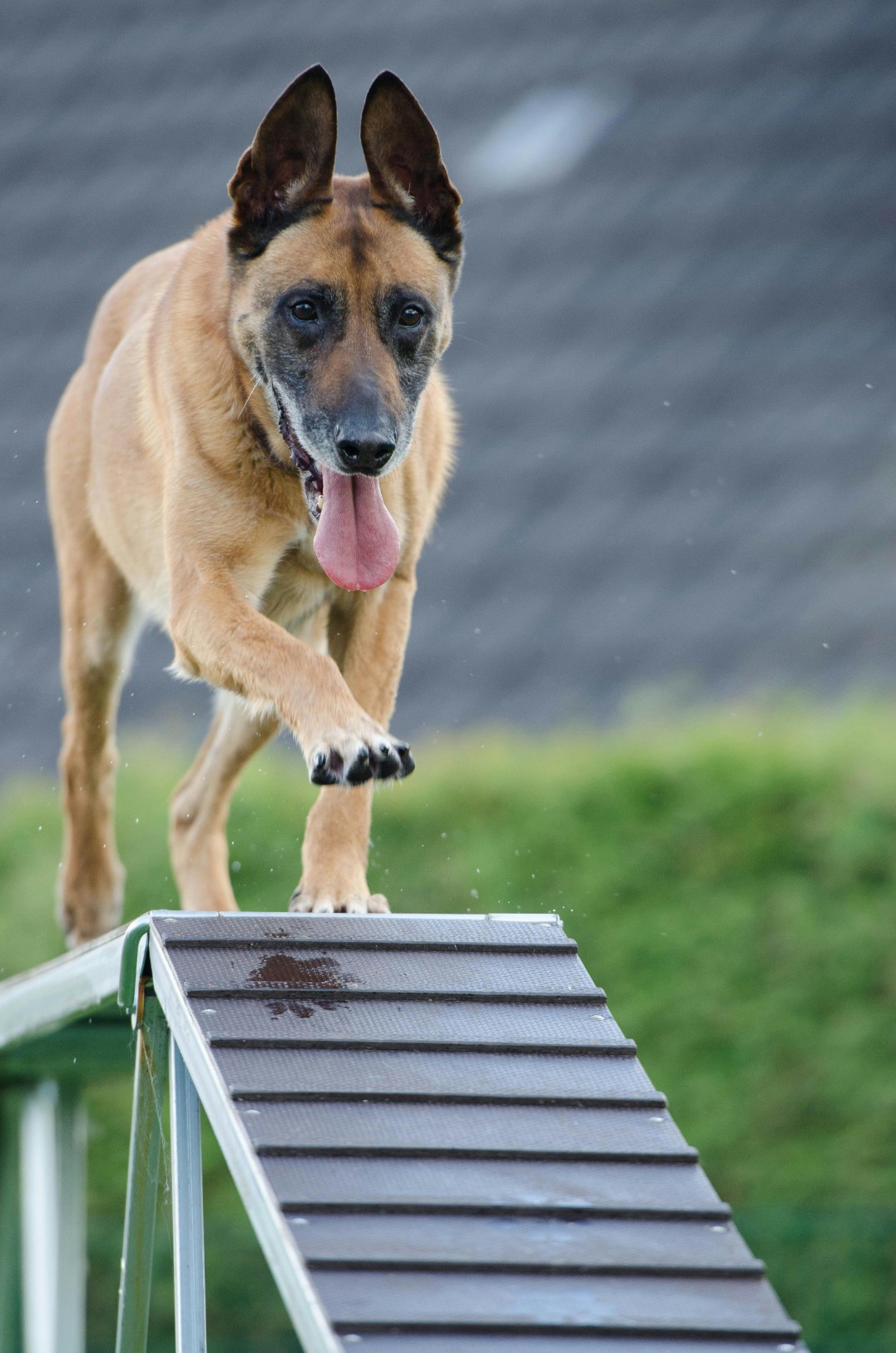 Gradual exposure helps dogs become comfortable with their triggers Gradual exposure helps dogs become comfortable with their triggersEnvironmental Management StrategiesWhile training is essential, managing your dog's environment can significantly reduce barking opportunities and set your dog up for success. Environmental management works immediately while training takes time to become effective. Visual BarriersBlocking your dog's view of barking triggers is one of the simplest and most effective management strategies. If your dog barks at people or animals passing by windows, use frosted window film, curtains, or strategically placed furniture to block their view. This doesn't teach your dog not to bark, but it prevents the behavior from being practiced and reinforced while you work on training. Acoustic ManagementWhite noise machines, calming music, or television sounds can mask environmental noises that trigger barking. Studies have shown that certain types of music, particularly classical music and specially designed canine relaxation music, can have a calming effect on dogs and reduce stress-related barking. Physical Exercise and Mental StimulationA tired dog is generally a quiet dog. Ensuring your dog receives adequate physical exercise is crucial for managing excessive barking. Most dogs need at least 30-60 minutes of physical activity daily, though some breeds require significantly more. Exercise should be appropriate for your dog's age, breed, and physical condition. Mental stimulation is equally important and often overlooked. Puzzle toys, food-dispensing toys, scent work, and training sessions all provide mental enrichment that can reduce boredom-related barking. A fifteen-minute training session can tire a dog's brain as much as a thirty-minute walk tires their body. Structured RoutineEstablishing a predictable daily routine can reduce anxiety-based barking. Dogs feel more secure when they know what to expect. Consistent feeding times, walk schedules, play sessions, and rest periods help create a sense of stability that can minimize stress-related vocalization. Remember: Environmental management is a complement to training, not a replacement. Use these strategies to prevent barking while simultaneously working on teaching your dog appropriate quiet behavior.  Mental and physical enrichment are key to reducing boredom-related barking Mental and physical enrichment are key to reducing boredom-related barkingCommon Training Mistakes to AvoidEven well-intentioned dog owners can inadvertently worsen barking problems through common training mistakes. Understanding these pitfalls will help you avoid setbacks and achieve faster progress. InconsistencyInconsistency is perhaps the most common mistake in barking modification. If you sometimes allow barking and sometimes correct it, you're teaching your dog that barking is on a variable reinforcement schedule, which actually makes the behavior stronger and more resistant to extinction. Everyone in the household must respond to barking consistently using the same approach. Yelling at Your DogShouting "No!" or "Quiet!" at a barking dog often backfires spectacularly. From your dog's perspective, you might be joining in the barking, which can actually encourage more vocalization. Additionally, giving attention to barking, even negative attention, can reinforce attention-seeking barking behavior. Punishment-Based MethodsAversive training tools such as shock collars, citronella spray collars, or ultrasonic devices may suppress barking temporarily, but they don't address the underlying cause and can create additional behavioral problems. These methods can increase anxiety, damage the human-animal bond, and in some cases, redirect the dog's distress into other problematic behaviors like destructive chewing or aggression. Unrealistic ExpectationsExpecting immediate results is a recipe for frustration. Behavior modification takes time, especially for deeply ingrained habits. Most barking problems require several weeks to several months of consistent training before significant improvement is seen. Celebrate small victories along the way rather than fixating on the end goal. Reinforcing the BarkingMany owners accidentally reinforce barking without realizing it. For example, if your dog barks to go outside and you immediately let them out, you've just taught them that barking opens doors. Similarly, giving your dog attention or treats while they're barking, even if your intention is to quiet them, reinforces the barking behavior. Training Principle: Always reward the absence of barking, never the barking itself. Wait for even a brief moment of silence before providing any form of attention or reward. Breed-Specific ConsiderationsWhile all dogs can learn to control their barking, some breeds are naturally more vocal than others due to their genetic heritage and the purposes for which they were originally bred. Understanding your dog's breed tendencies can help you set realistic expectations and tailor your training approach. High-Barking BreedsTerriers were bred to hunt small prey and alert their handlers to the presence of animals, making them naturally inclined to bark at movement and sounds. Breeds like the Yorkshire Terrier, Fox Terrier, and Cairn Terrier can be particularly vocal. Beagles and other hounds were bred to bay and bark while hunting, helping hunters locate them in dense terrain. This deeply ingrained vocalization tendency can be challenging to modify completely, though training can certainly reduce excessive barking. Guard and protection breeds such as German Shepherds, Doberman Pinschers, and Rottweilers were specifically bred to be alert and vocal when protecting property or people. While this makes them excellent watchdogs, it also means they may require more intensive training to prevent excessive alarm barking. Low-Barking BreedsBasenji dogs are famously quiet, often called "barkless dogs" because they produce an unusual yodel-like sound instead of typical barking. However, this doesn't mean they're silent - they can still be quite vocal in their own way. Cavalier King Charles Spaniels, Newfoundlands, and Greyhounds are generally among the quieter breeds, though individual variation exists within any breed. These breeds may still bark but typically do so less frequently than more vocal breeds. It's important to note that breed tendencies are generalizations, and individual dogs vary considerably. Early socialization, training, and environmental factors play enormous roles in determining an adult dog's barking behavior regardless of breed.  Breed characteristics influence barking tendencies but don't determine destiny Breed characteristics influence barking tendencies but don't determine destinyWhen to Seek Professional HelpWhile many barking problems can be addressed with consistent home training, some situations require professional intervention. Recognizing when you need expert help can save you time, reduce frustration, and prevent the problem from worsening. Signs You Need Professional AssistanceIf your dog's barking is severe, persistent, or getting worse despite consistent training efforts, it's time to consult a professional. A certified dog trainer or veterinary behaviorist can assess the situation objectively and develop a customized behavior modification plan. Aggression accompanying barking is a serious red flag that requires immediate professional attention. If your dog's barking is coupled with lunging, snapping, or biting behavior, do not attempt to address this on your own. Aggression cases require expert assessment and carefully designed intervention protocols. Separation anxiety manifesting as excessive barking when alone needs specialized treatment. This is a complex anxiety disorder that goes beyond simple training and may require a combination of behavior modification, environmental management, and potentially medication prescribed by a veterinarian. Types of ProfessionalsCertified Professional Dog Trainers (CPDT) have demonstrated knowledge and skills in dog training and have committed to using humane, science-based training methods. They can help with most common barking problems and teach you effective training techniques. Veterinary Behaviorists are veterinarians with specialized training in animal behavior. They can diagnose behavioral disorders, prescribe medication when appropriate, and develop comprehensive treatment plans for complex cases involving anxiety, fear, or compulsive behaviors. Certified Applied Animal Behaviorists (CAAB) have advanced degrees in animal behavior and expertise in behavior modification. They work with complex behavioral problems and can design sophisticated intervention protocols. Important: Always verify credentials when seeking professional help. Look for certifications from recognized organizations and ask about their training methods. Avoid trainers who rely primarily on punishment or aversive techniques. Frequently Asked QuestionsHow long does it take to train a dog to stop barking?
The timeline for reducing excessive barking varies significantly depending on the severity of the problem, the dog's age, breed, and temperament, and the consistency of training. Most owners see noticeable improvement within 4-8 weeks of consistent training, though some cases may take several months. Dogs with deeply ingrained barking habits or anxiety-based barking typically require longer intervention periods. The key is consistency and patience - behavior modification is a gradual process, not an overnight fix.
Is it cruel to train a dog not to bark?
Training a dog to reduce excessive barking is not cruel when done using positive, humane methods. The goal is not to eliminate all barking - which is a natural form of canine communication - but rather to teach the dog appropriate times to vocalize and how to respond to a "quiet" command. Barking serves important functions for dogs, including alerting to danger and expressing needs. Good training respects this while helping the dog learn impulse control and appropriate behavior. What would be cruel is using punishment-based methods or attempting to completely suppress all vocalization.
Why does my dog bark more at night?
Increased nighttime barking often occurs because dogs can hear and smell things that are more active at night, such as nocturnal wildlife, other dogs, or unfamiliar sounds that are masked during the day by normal daytime noise. Additionally, reduced stimulation at night can lead to boredom or anxiety. Some senior dogs experience cognitive decline that causes nighttime confusion and vocalization. To address nighttime barking, ensure your dog has adequate exercise during the day, establish a calming bedtime routine, use white noise to mask environmental sounds, and rule out medical issues with your veterinarian, especially in older dogs.
Can bark collars effectively stop barking?
While bark collars may suppress barking behavior temporarily, they are not recommended by most animal behavior professionals. These devices work through punishment - delivering a shock, citronella spray, or ultrasonic sound when the dog barks - but they don't address the underlying reason for barking and can create additional problems. Dogs may become more anxious, the behavior may redirect into other unwanted behaviors, and the human-animal bond can be damaged. Furthermore, these collars cannot distinguish between appropriate and inappropriate barking. Positive reinforcement training is more effective long-term and doesn't carry the risks associated with punishment-based tools.
What should I do if my dog barks when I leave?
Barking when you leave may indicate separation anxiety, which requires a specific approach. Start by making departures and arrivals low-key - don't make a big fuss when leaving or returning. Practice short absences, gradually increasing duration as your dog becomes comfortable. Leave engaging toys or puzzle feeders to keep your dog occupied. Some dogs benefit from having calming music or TV left on. If the barking is severe or accompanied by destructive behavior, elimination in the house, or other signs of distress, consult a veterinary behaviorist, as true separation anxiety often requires a comprehensive treatment plan that may include behavior modification exercises and potentially anti-anxiety medication.
Should I ignore my dog when they bark for attention?
Yes, ignoring attention-seeking barking is crucial for eliminating this behavior. Any attention - even negative attention like yelling - reinforces the barking. When your dog barks for attention, completely ignore them: no eye contact, no verbal response, no physical interaction. The moment they stop barking, immediately reward the silence with attention. This teaches your dog that quiet behavior, not barking, earns your attention. Be prepared for the barking to temporarily increase (called an extinction burst) before it improves - this is normal and means your training is working. However, always ensure your dog's basic needs are met before assuming barking is purely attention-seeking.
Can older dogs learn to bark less?
Absolutely - the saying "you can't teach an old dog new tricks" is a myth. While older dogs may have more established habits and could require more patience, they are fully capable of learning new behaviors at any age. In fact, older dogs are often more focused during training sessions than energetic puppies. However, it's important to first rule out medical causes for increased barking in senior dogs, such as cognitive dysfunction syndrome (similar to dementia in humans), hearing loss that causes confusion, or pain-related conditions. Once medical issues are addressed, the same positive reinforcement training techniques used for younger dogs can be successfully applied to senior dogs, though you may need to proceed at a slightly slower pace.
ConclusionTraining your dog to reduce excessive barking is a journey that requires patience, consistency, and understanding. Remember that barking is a natural behavior for dogs, and the goal is not to eliminate all vocalization but rather to teach your dog when barking is appropriate and how to respond to a "quiet" command. The most effective approach combines multiple strategies: identifying and addressing the underlying causes of barking, teaching the "quiet" command through positive reinforcement, implementing desensitization and counter-conditioning protocols for trigger-based barking, managing your dog's environment to reduce barking opportunities, and ensuring adequate physical exercise and mental stimulation. Success depends on consistency from all family members and realistic expectations about the timeline for behavior change. Most dogs show noticeable improvement within several weeks of consistent training, though some cases require months of dedicated work. If you're struggling despite consistent efforts, don't hesitate to seek professional help. A certified dog trainer or veterinary behaviorist can provide valuable guidance and develop a customized plan for your specific situation. With commitment and the right approach, you can help your dog become a better canine citizen while maintaining their ability to communicate appropriately.  A well-trained dog can be both communicative and appropriately quiet A well-trained dog can be both communicative and appropriately quiet | |||||||||||||||||||||||||||||
|
| |||||||||||||||||||||||||||||
| Переглядів: 135 | | | |||||||||||||||||||||||||||||

| Total comments: 0 | |