Total materials in catalog: 70
Materials shown: 1-10
Сторінки:
1 2 3 ... 6 7 »
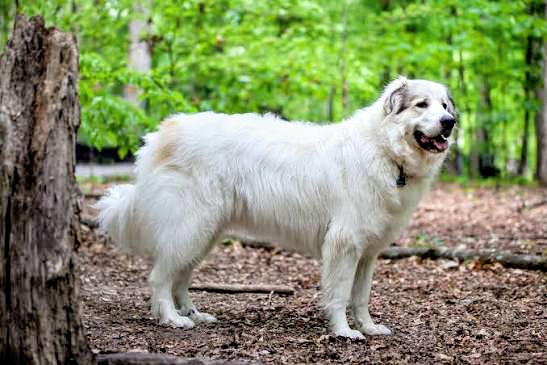 Great Pyrenees possess a
thick double coat
that sheds heavily year-round, with particularly intense shedding during seasonal transitions. They produce substantial amounts of dander, saliva, and shed fur that contain the Fel d 1 protein—the primary allergen affecting most allergy sufferers. While these magnificent guardians offer countless wonderful qualities, their coat characteristics make them unsuitable for individuals with dog allergies. Great Pyrenees possess a
thick double coat
that sheds heavily year-round, with particularly intense shedding during seasonal transitions. They produce substantial amounts of dander, saliva, and shed fur that contain the Fel d 1 protein—the primary allergen affecting most allergy sufferers. While these magnificent guardians offer countless wonderful qualities, their coat characteristics make them unsuitable for individuals with dog allergies. |
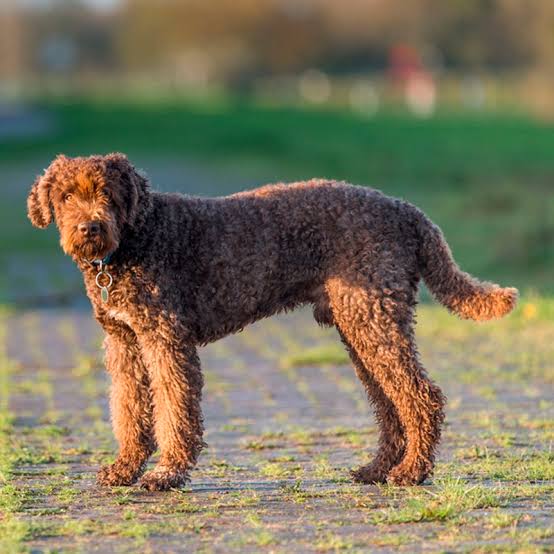 The Barbet is a wonderful hypoallergenic breed that combines athleticism, intelligence, and a loving nature. With proper care, training, and exercise, these water-loving dogs make exceptional family companions for active households. The Barbet is a wonderful hypoallergenic breed that combines athleticism, intelligence, and a loving nature. With proper care, training, and exercise, these water-loving dogs make exceptional family companions for active households. |
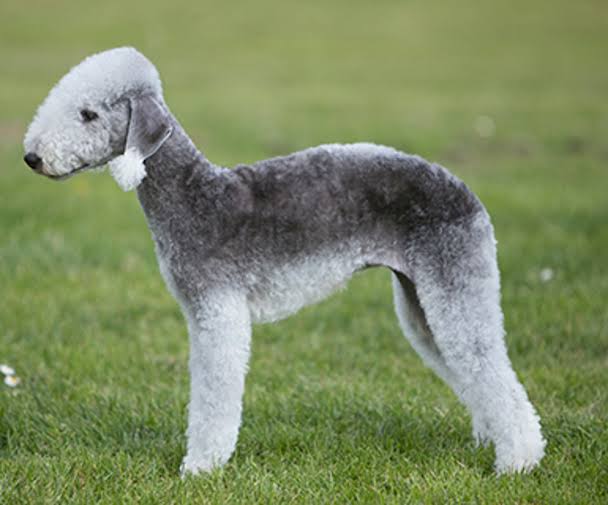 The Bedlington Terrier is a unique and wonderful breed that combines an elegant appearance with a spirited terrier personality. Their hypoallergenic coat makes them an excellent choice for allergy sufferers, while their loyal and affectionate nature ensures they make devoted family companions. The Bedlington Terrier is a unique and wonderful breed that combines an elegant appearance with a spirited terrier personality. Their hypoallergenic coat makes them an excellent choice for allergy sufferers, while their loyal and affectionate nature ensures they make devoted family companions. |
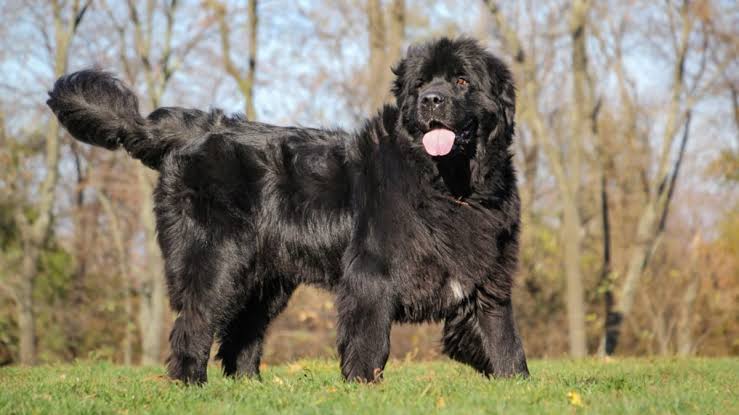 Newfoundlands are wonderful family companions, but they are not hypoallergenic . They have a thick double coat that sheds heavily year-round and produces significant amounts of dander, saliva proteins, and other allergens. Their size also means more surface area producing allergens, making them particularly challenging for allergy sufferers. Newfoundlands are wonderful family companions, but they are not hypoallergenic . They have a thick double coat that sheds heavily year-round and produces significant amounts of dander, saliva proteins, and other allergens. Their size also means more surface area producing allergens, making them particularly challenging for allergy sufferers. |
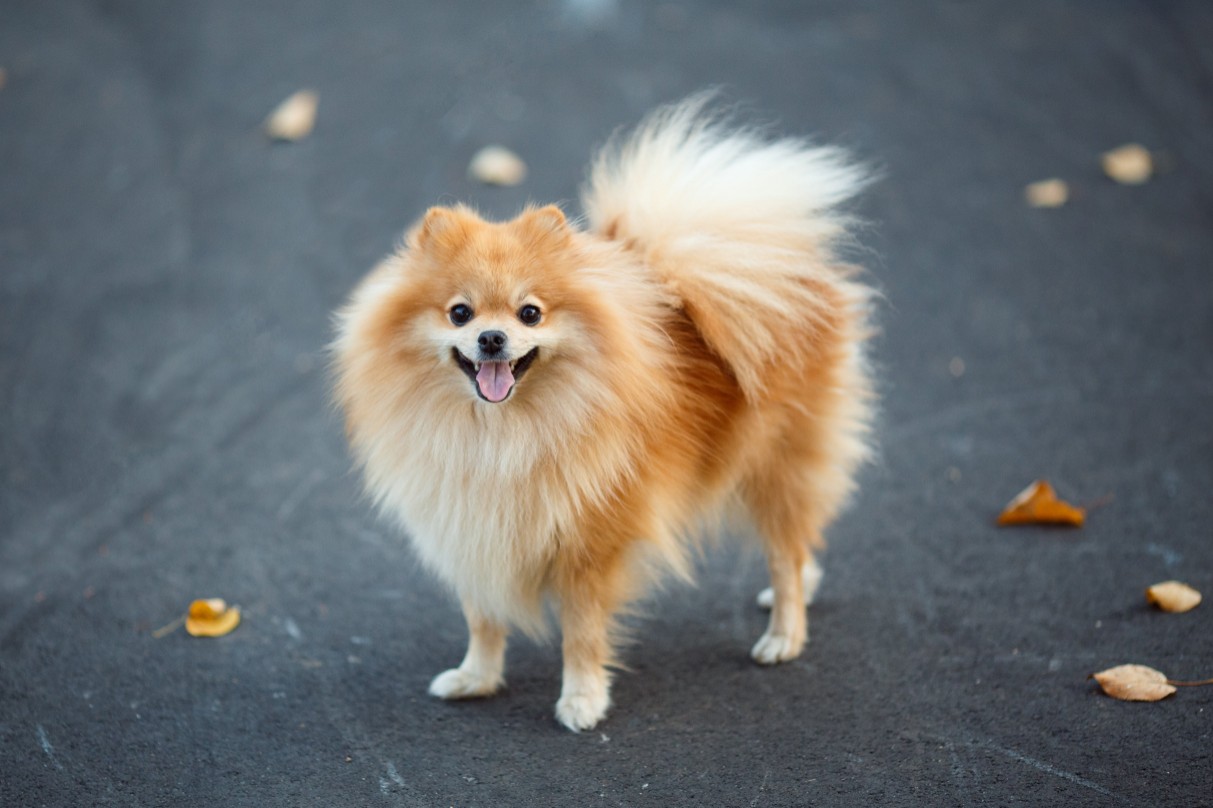 German Spitz dogs have a
thick double coat that sheds heavily
, especially during seasonal changes. They produce significant amounts of dander, saliva proteins, and loose fur, all of which are common allergen triggers. While these charming companions make wonderful pets, they are
not recommended for individuals with dog allergies. German Spitz dogs have a
thick double coat that sheds heavily
, especially during seasonal changes. They produce significant amounts of dander, saliva proteins, and loose fur, all of which are common allergen triggers. While these charming companions make wonderful pets, they are
not recommended for individuals with dog allergies. |
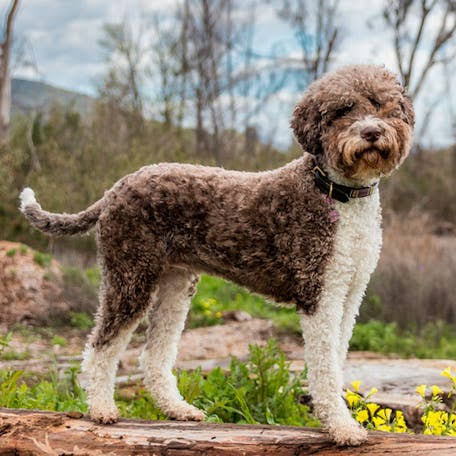 The Lagotto's tight, curly coat traps dander and loose hair rather than releasing it into the environment. They produce minimal shedding, which significantly reduces allergen exposure. Regular grooming removes trapped allergens before they can spread throughout your home. The Lagotto's tight, curly coat traps dander and loose hair rather than releasing it into the environment. They produce minimal shedding, which significantly reduces allergen exposure. Regular grooming removes trapped allergens before they can spread throughout your home. |
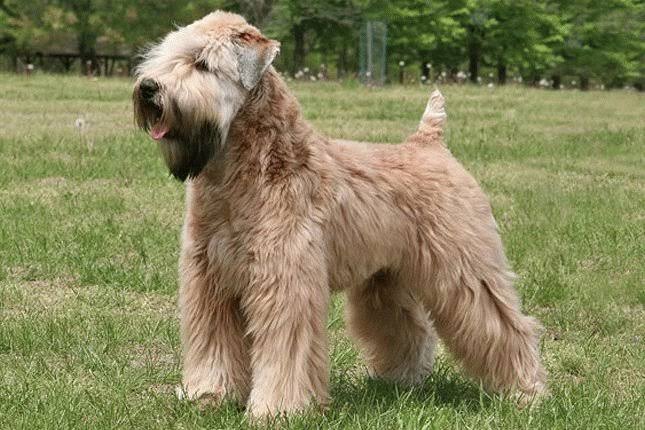 Before committing to this breed, spend time with a Wheaten Terrier to test your personal allergic response. The breed is ideal for those with mild to moderate allergies who are willing to commit to consistent grooming and allergen management. Before committing to this breed, spend time with a Wheaten Terrier to test your personal allergic response. The breed is ideal for those with mild to moderate allergies who are willing to commit to consistent grooming and allergen management. |
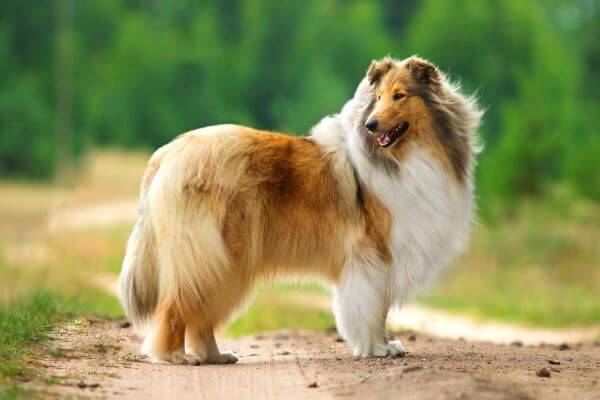 Rough Collies possess a double coat that sheds heavily, particularly during seasonal changes. They produce significant amounts of dander and shed fur year-round, making them unsuitable for individuals with dog allergies. Their grooming requirements and natural shedding patterns contribute to high allergen levels in the home environment. Rough Collies possess a double coat that sheds heavily, particularly during seasonal changes. They produce significant amounts of dander and shed fur year-round, making them unsuitable for individuals with dog allergies. Their grooming requirements and natural shedding patterns contribute to high allergen levels in the home environment. |
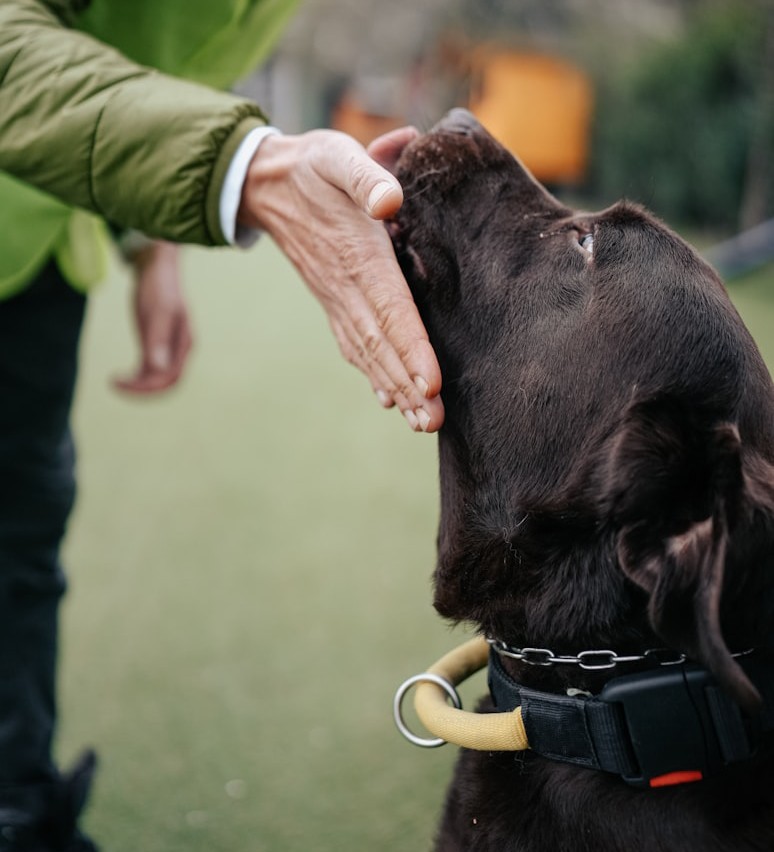 Barking is a natural form of canine communication, but excessive barking can become problematic for dog owners and their neighbors. Whether your dog barks at strangers, other animals, or seemingly nothing at all, understanding the root causes and implementing effective training techniques can help you reduce unwanted barking behavior. This comprehensive guide will walk you through proven methods to train your dog to bark less while maintaining their ability to communicate appropriately. Barking is a natural form of canine communication, but excessive barking can become problematic for dog owners and their neighbors. Whether your dog barks at strangers, other animals, or seemingly nothing at all, understanding the root causes and implementing effective training techniques can help you reduce unwanted barking behavior. This comprehensive guide will walk you through proven methods to train your dog to bark less while maintaining their ability to communicate appropriately. |
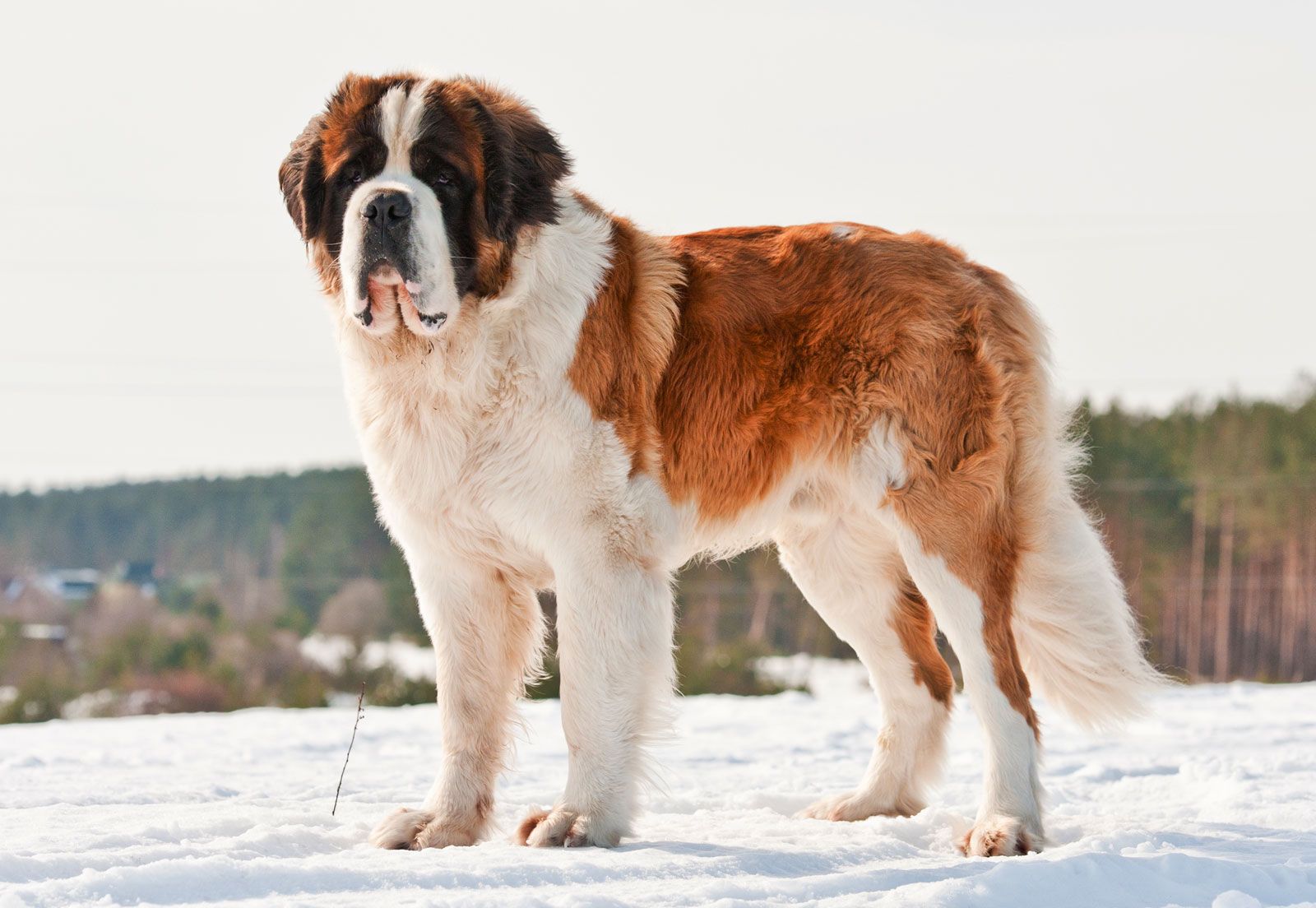 Saint Bernards are considered one of the least hypoallergenic dog breeds. They have a thick double coat that sheds heavily year-round , with particularly intense shedding during seasonal changes. Their abundant fur produces significant amounts of dander, saliva proteins, and other allergens that can trigger allergic reactions in sensitive individuals. While these gentle giants make wonderful family companions, they are not suitable for people with dog allergies. Saint Bernards are considered one of the least hypoallergenic dog breeds. They have a thick double coat that sheds heavily year-round , with particularly intense shedding during seasonal changes. Their abundant fur produces significant amounts of dander, saliva proteins, and other allergens that can trigger allergic reactions in sensitive individuals. While these gentle giants make wonderful family companions, they are not suitable for people with dog allergies. |