Human Foods Your Hypoallergenic Dog Can and Cannot Eat: A Complete Safety GuideAs a hypoallergenic dog owner, you're already invested in your pet's health and wellbeing. While you've carefully chosen a breed that's gentle on your allergies, it's equally important to understand what foods are safe for your furry companion. Not all human foods are created equal when it comes to canine consumption, and some seemingly harmless treats can be dangerously toxic to dogs. This comprehensive guide will help you navigate the complex world of human foods for your hypoallergenic dog, ensuring you can safely share occasional treats while avoiding potentially life-threatening mistakes. 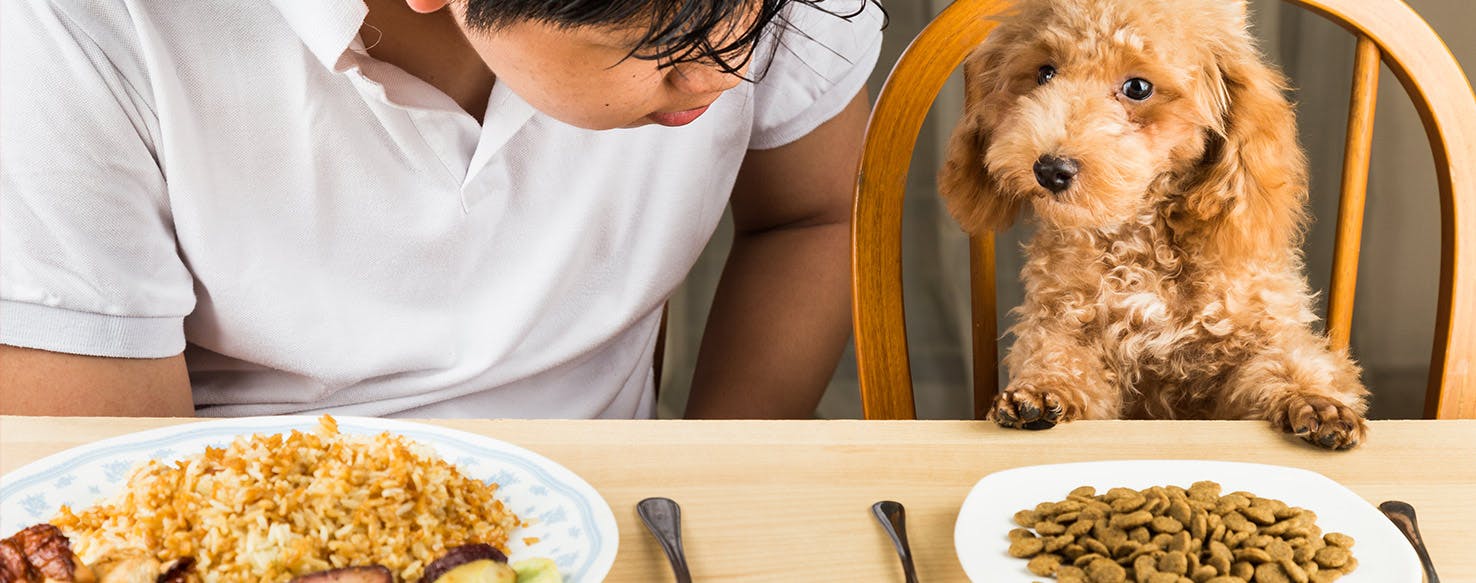
Understanding food safety is crucial for your hypoallergenic dog's health
🐾 Struggling with Pet Allergies? Find the Right Breed for YouManaging dog allergies goes beyond diet and supplements. If you're considering adding a new furry friend to your family or want to explore breeds that might be better suited for allergy sufferers, our interactive breed selector can help you make an informed decision. Get personalized breed recommendations based on your lifestyle and allergy needs! Why Some Human Foods Are Dangerous for DogsDogs may be our best friends, but their bodies work very differently from ours. Understanding why certain foods are toxic helps explain why we must be so careful about what we share from our plates. Metabolic Differences: Dogs metabolize substances differently than humans. Their liver enzymes, digestive system, and overall metabolism cannot process certain compounds that are perfectly safe for us. For example, dogs lack specific enzymes needed to break down theobromine in chocolate or process the artificial sweetener xylitol. Body Size Matters: A small amount of a toxic substance can have devastating effects on dogs, especially smaller breeds. What seems like a tiny piece of chocolate to us could contain enough theobromine to seriously harm a 10-pound dog. Digestive System Variations: Dogs have shorter digestive tracts and different stomach pH levels compared to humans. Some foods that pass harmlessly through our systems can cause blockages, fermentation issues, or toxic reactions in dogs. Organ Function: A dog's liver and kidneys may not be able to filter out certain toxins that human organs handle easily. This is why substances like grapes can cause acute kidney failure in dogs while being perfectly healthy for people. ↑ Back to Table of ContentsToxic Foods: Never Feed These to Your Hypoallergenic Dog
⚠️ Warning: These foods are dangerous and potentially fatal to dogs. Even small amounts can cause serious health problems. Keep these items completely out of your dog's reach.
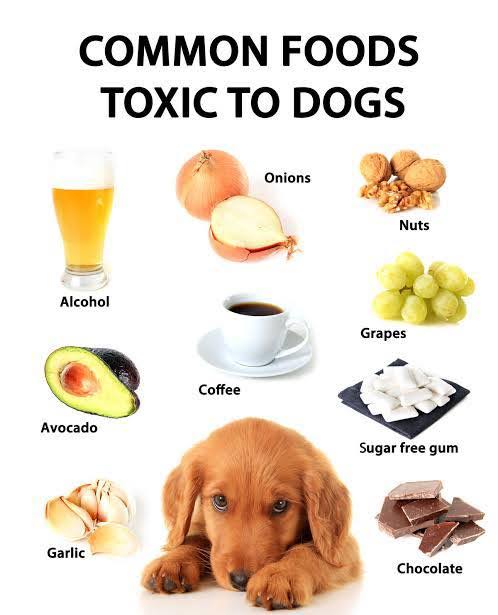
Common toxic foods that should never be given to dogs
Foods to Feed with Caution (Moderately Safe)These foods aren't toxic but can cause problems if fed improperly or in large quantities. Use discretion and moderation. 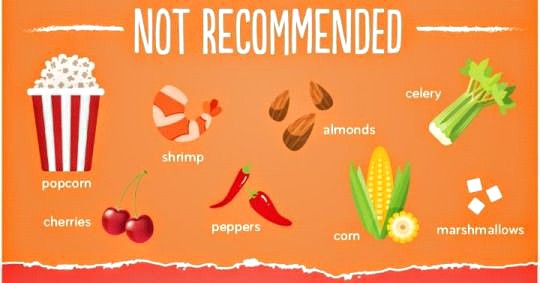
Foods that require careful consideration before feeding
Safe Human Foods for Your Hypoallergenic DogThese foods are generally safe for dogs when prepared properly and given in moderation. Remember: treats and extras should make up no more than 10% of your dog's daily caloric intake. 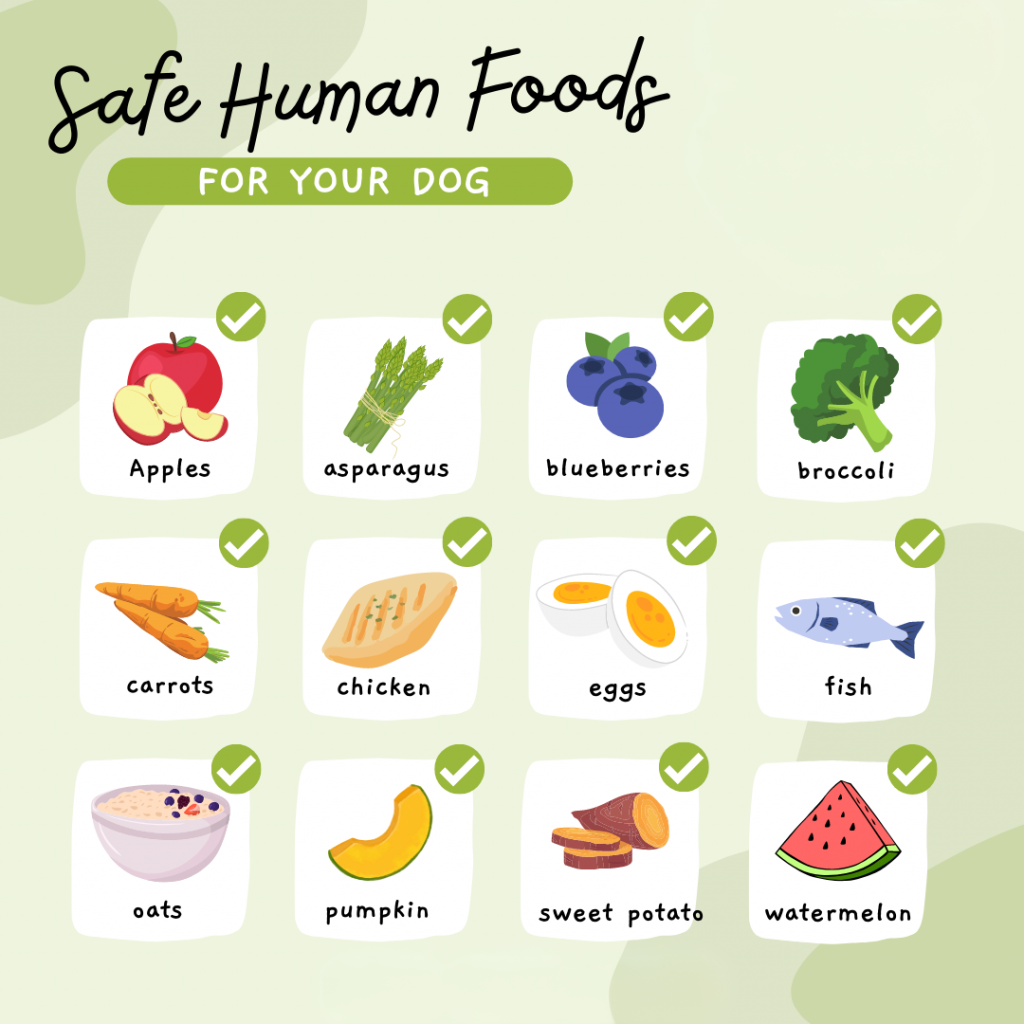
Healthy and safe treats you can share with your dog
Lean Proteins
Vegetables
Fruits
Grains & Other Safe Foods
Special Considerations for Hypoallergenic DogsWhile hypoallergenic dogs are bred to be low-shedding and produce fewer allergens for humans, they can still develop their own food sensitivities and allergies. 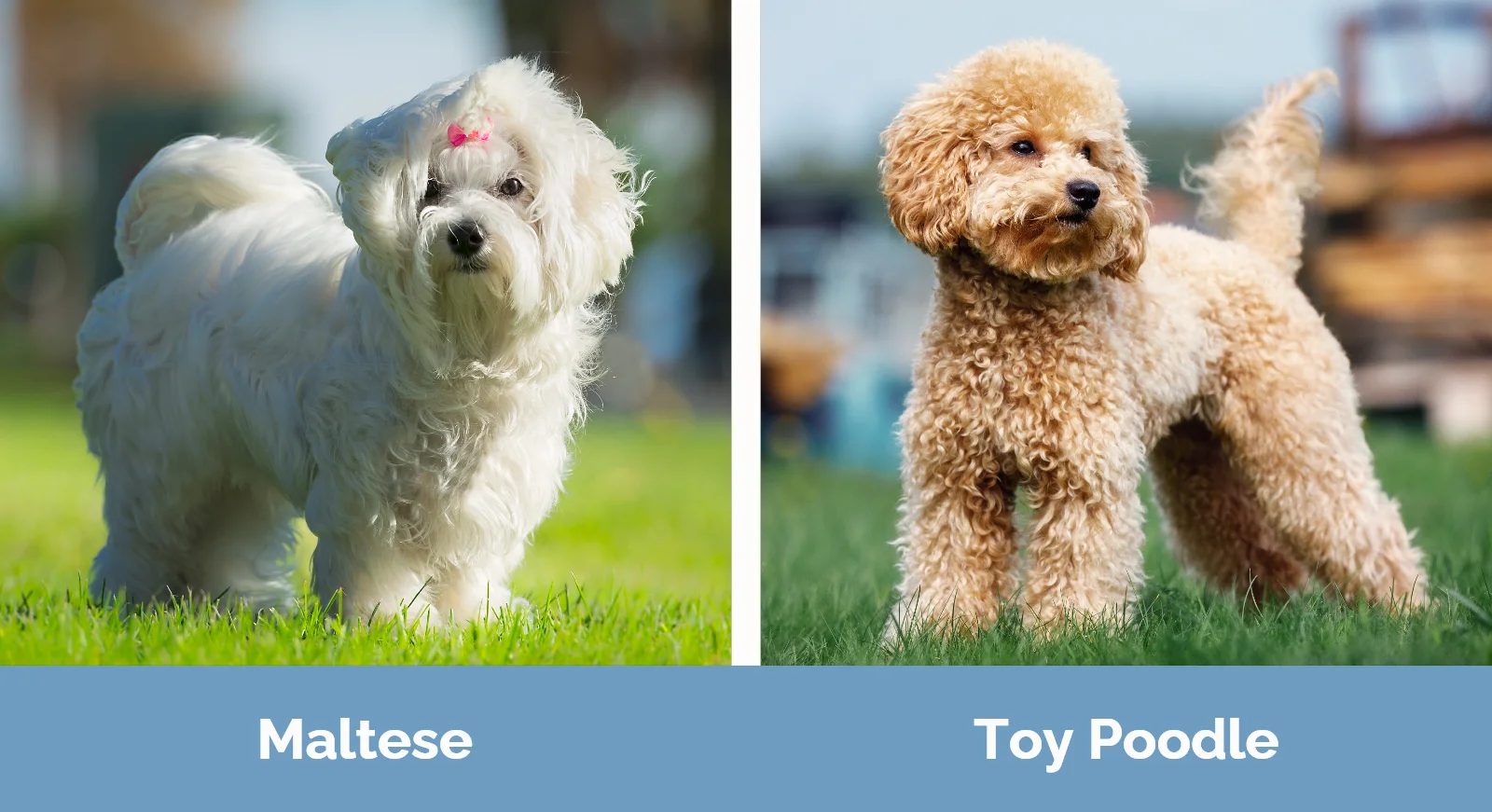
Hypoallergenic breeds may have unique dietary sensitivities
Food Allergies vs. Food ToxicityIt's important to distinguish between these two issues: Food allergies are immune system reactions to specific proteins. Common allergens for dogs include beef, dairy, wheat, chicken, and eggs. Symptoms include itchy skin, ear infections, excessive licking, and gastrointestinal issues. Food toxicity involves substances that are poisonous to dogs regardless of individual sensitivity. These cause predictable harm to any dog that consumes them. Breeds That May Be More Sensitive
Introducing New FoodsIf your hypoallergenic dog already has environmental allergies or sensitivities, be extra cautious:
Signs Your Dog Has Eaten Something ToxicQuick recognition of poisoning symptoms can save your dog's life. Watch for these warning signs: 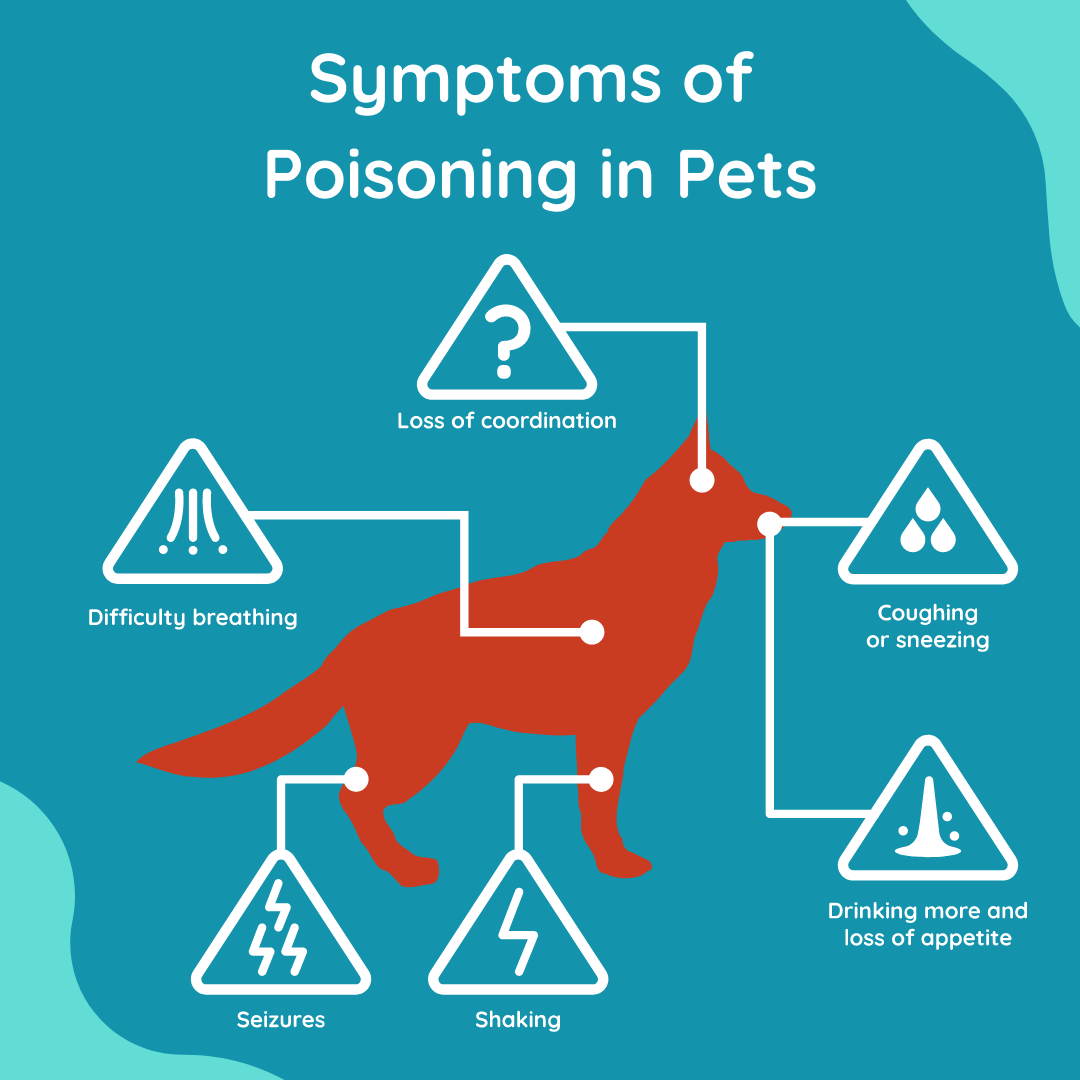
Know the symptoms of poisoning to act quickly
What to Do If You Suspect Poisoning
Time is critical: Many toxins cause more damage the longer they remain in the system. Don't wait to see if symptoms improve. ↑ Back to Table of ContentsSafe Feeding TipsFollow these guidelines to keep treat-time safe and healthy for your hypoallergenic dog: 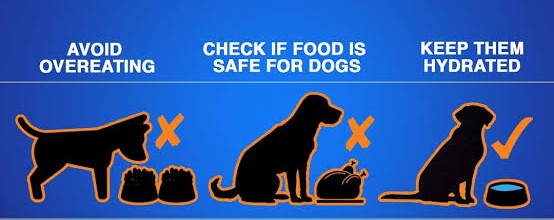
Follow safe feeding practices to protect your dog's health
The 10% RuleTreats and human food should never exceed 10% of your dog's daily caloric intake. The remaining 90% should come from complete and balanced dog food. This ensures your dog receives proper nutrition. Preparation Guidelines
Introduction ProtocolWhen offering a new food:
Storage Safety
Know Your Dog's Individual Needs
When in Doubt, Don'tIf you're unsure whether a food is safe, don't give it to your dog. It's always better to err on the side of caution. Stick to foods you know are safe, or consult your veterinarian before introducing anything questionable. ↑ Back to Table of ContentsConclusionAs a responsible owner of a hypoallergenic dog, understanding what human foods are safe and dangerous is essential for your pet's health and longevity. While it's tempting to share everything from your plate with those pleading eyes, remember that some foods that are perfectly safe for humans can be deadly for dogs. Key takeaways to remember:
Your hypoallergenic dog depends on you to make safe choices about their diet. When in doubt, always consult your veterinarian before introducing new foods. It's far better to ask and be safe than to risk your beloved companion's health. By following this guide, you can safely share occasional treats with your furry friend while avoiding dangerous pitfalls. Your dog's health, happiness, and longevity are worth the extra care and attention you put into their diet. Frequently Asked Questions
Common questions about feeding human foods to dogs
Can hypoallergenic dogs eat cheese?Many dogs can eat small amounts of cheese, but it depends on individual lactose tolerance. Hypoallergenic breeds are no more or less likely to tolerate dairy than other dogs. Hard cheeses like cheddar have less lactose than soft cheeses and may be better tolerated. Start with a tiny amount and watch for signs of digestive upset (gas, diarrhea, vomiting). Avoid moldy cheeses like blue cheese, which can be toxic, and never give large amounts due to high fat content. If your dog tolerates it, use cheese sparingly as a high-value training treat. Is peanut butter safe for dogs?Yes, but with critical precautions. Natural, unsweetened, unsalted peanut butter is safe and many dogs love it. However, you must always check the ingredients list first. Many brands now contain xylitol, an artificial sweetener that is extremely toxic to dogs and can be fatal. Only give peanut butter that contains just peanuts (and possibly salt). Avoid brands with added sugars, oils, or artificial ingredients. Even safe peanut butter is high in calories and fat, so offer only small amounts. It's excellent for hiding pills or as a special training reward. What should I do if my dog ate chocolate?Contact your veterinarian or emergency animal hospital immediately. The severity depends on the type of chocolate (dark chocolate and baking chocolate are most dangerous), the amount consumed, and your dog's size. Do not wait for symptoms to appear. Have this information ready: your dog's weight, what type of chocolate was eaten, approximately how much, and when it was consumed. Your vet may instruct you to induce vomiting or may need to see your dog immediately. Keep the chocolate packaging so you can provide details about cocoa content. Early intervention dramatically improves outcomes. Can dogs eat bread?Plain, fully baked bread in small amounts is generally safe for dogs, though it offers little nutritional value. It's essentially empty calories. However, bread dough (unbaked) is extremely dangerous as it continues to rise in the stomach and produces alcohol during fermentation. Avoid bread with raisins, garlic, onions, or artificial sweeteners. Some dogs may have wheat sensitivities or allergies. If your dog accidentally ate a small piece of plain bread, it's usually not a concern, but it shouldn't be a regular part of their diet. Are tomatoes safe for dogs?Ripe, red tomatoes in small amounts are generally safe for dogs. However, green, unripe tomatoes and tomato plants (leaves, stems, vines) contain solanine and tomatine, which are toxic to dogs. Symptoms of tomato plant poisoning include gastrointestinal upset, lethargy, weakness, and confusion. If you give your dog tomato, make sure it's fully ripe, remove the stem and leaves, and offer only small amounts. Many dogs don't find tomatoes particularly appealing anyway. Given the potential risks, it's safer to choose other vegetables with clearer safety profiles. Can dogs have coconut or coconut oil?Yes, coconut products are generally safe for dogs in moderation. Coconut flesh, coconut oil, and unsweetened coconut milk can be given in small amounts. Coconut contains medium-chain triglycerides (MCTs) that may have health benefits, and some people add coconut oil to their dog's diet for coat health. However, coconut is high in fat and calories, so excessive amounts could lead to weight gain or pancreatitis. Start with small quantities and monitor your dog's reaction. Avoid sweetened coconut products or those with additives. The furry outer husk is difficult to digest and should be avoided. Is it safe to give my dog ice cream?Ice cream is not recommended for dogs. Most ice cream contains several problematic ingredients: lactose (which many dogs can't digest well), sugar (unnecessary and potentially harmful), and often xylitol (deadly toxic to dogs). Even "dog-safe" ice cream should be given rarely and in very small amounts due to sugar and fat content. If you want to give your dog a frozen treat, better options include: frozen plain yogurt, frozen pureed pumpkin, frozen banana slices, or commercial frozen treats specifically made for dogs. You can also freeze low-sodium chicken broth in ice cube trays for a refreshing summer treat. Can hypoallergenic dogs have grain-free diets?Grain-free diets have become popular, but recent research has raised concerns about potential links between grain-free diets (especially those high in legumes) and dilated cardiomyopathy (DCM), a serious heart condition in dogs. Unless your dog has a diagnosed grain allergy (which is actually quite rare), grains like rice, oats, and barley are safe and nutritious. Most dogs with food allergies are actually reacting to proteins (beef, chicken, dairy) rather than grains. Consult your veterinarian before switching to a grain-free diet. Hypoallergenic breeds have no special requirement for or against grains. Focus on high-quality, complete, and balanced nutrition regardless of grain content. How much water should I give my dog after they eat something salty?If your dog ate something salty, provide fresh water immediately and freely. Don't restrict water access. Dogs will naturally drink more to help flush excess sodium from their system. Monitor your dog closely for signs of salt poisoning: excessive thirst, vomiting, diarrhea, lethargy, loss of appetite, incoordination, seizures, or tremors. If your dog consumed a very large amount of salt, or if they show any symptoms beyond increased thirst, contact your veterinarian immediately. Salt toxicity can be serious and may require IV fluids and electrolyte monitoring. Prevention is key: keep salty snacks, rock salt, play dough, and other high-sodium items away from your dog. Can dogs eat mushrooms from the grocery store?Plain, cooked mushrooms from the grocery store (like button mushrooms, portobello, or shiitake) are generally safe for dogs, though they offer minimal nutritional benefit. However, many dogs have difficulty digesting mushrooms, which can cause gastrointestinal upset. More importantly, wild mushrooms can be deadly. Since it's difficult to distinguish safe from toxic mushrooms, and dogs may not discriminate, it's best to avoid all mushrooms. If you see your dog eating wild mushrooms during a walk, try to stop them immediately and contact your veterinarian. Some toxic mushrooms cause symptoms within hours, while others may take days, and many are fatal. When in doubt, skip the mushrooms entirely. Are eggs better raw or cooked for dogs?Eggs should always be fully cooked before giving them to dogs. While raw eggs aren't immediately toxic, they pose several risks. Raw egg whites contain avidin, an enzyme that binds to biotin (a B vitamin) and prevents its absorption, potentially leading to biotin deficiency over time. Raw eggs also carry the risk of Salmonella and E. coli bacteria, which can cause illness in dogs just as in humans. Cooking eggs eliminates these risks while maintaining their nutritional value. Scrambled, hard-boiled, or poached eggs (all without butter, oil, or seasonings) are excellent, easily digestible protein sources for dogs. ↑ Back to Table of ContentsReferences and Sources
⚕️ Medical Disclaimer: This article is for informational purposes only and is not intended to replace professional veterinary advice. Always consult with your veterinarian before making changes to your dog's diet or if you suspect your dog has consumed something toxic. In case of emergency, contact your veterinarian, emergency animal hospital, or animal poison control immediately.
| ||||||||||||||||||||||||||||||||||||||||||||||||||||||||||||||||||||||||||||||||||||||||||||||||||||||||||||||||||||||||||||||||||||||||||||||||||||||||||||||||||||||||||||||||||||||||||||||||||||||||||||||||||||||||||||||||||
|
| ||||||||||||||||||||||||||||||||||||||||||||||||||||||||||||||||||||||||||||||||||||||||||||||||||||||||||||||||||||||||||||||||||||||||||||||||||||||||||||||||||||||||||||||||||||||||||||||||||||||||||||||||||||||||||||||||||
| Переглядів: 195 | | | ||||||||||||||||||||||||||||||||||||||||||||||||||||||||||||||||||||||||||||||||||||||||||||||||||||||||||||||||||||||||||||||||||||||||||||||||||||||||||||||||||||||||||||||||||||||||||||||||||||||||||||||||||||||||||||||||||

| Total comments: 0 | |