🐕 Are Rough Collies Hypoallergenic? No, here's why❌ Quick Answer: NO, Rough Collies are NOT considered hypoallergenic! Rough Collies possess a double coat that sheds heavily, particularly during seasonal changes. They produce significant amounts of dander and shed fur year-round, making them unsuitable for individuals with dog allergies. Their grooming requirements and natural shedding patterns contribute to high allergen levels in the home environment.
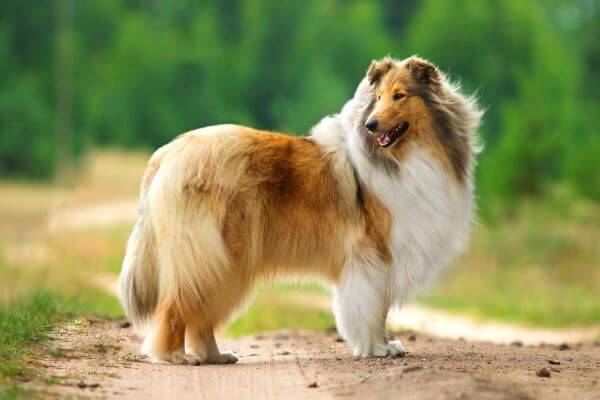
The magnificent Rough Collie with its iconic double coat 🌟 📊 Rough Collie Breed CharacteristicsWeight 20-34 kg (45-75 lbs)
Height 51-61 cm (20-24 inches)
Coat Type Long, double coat
Shedding Level Heavy ⚠️
Hypoallergenic No ❌
Life Span 12-14 years
🔬 What Makes a Dog Breed Hypoallergenic?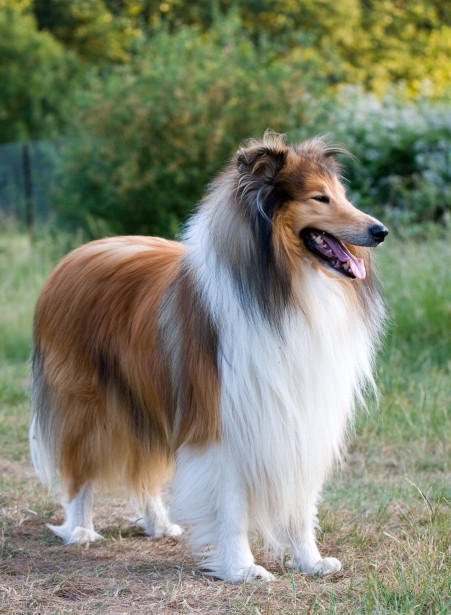
Understanding what causes allergies is key to making an informed decision 🔍 Before discussing why Rough Collies aren't hypoallergenic, it's essential to understand what makes a dog breed suitable for allergy sufferers. The term "hypoallergenic" in the context of dog breeds refers to dogs that produce fewer allergens than other breeds, though no dog is completely allergen-free. 🧪 Primary Allergen SourcesDog allergies are primarily triggered by proteins found in: Main Allergen Sources 🎯Dander: Microscopic flakes of dead skin cells that become airborne and settle on surfaces throughout your home. This is the most common allergen source. Saliva: Contains proteins that can trigger allergic reactions when dogs lick themselves, spreading allergens to their fur and surroundings. Urine: Contains allergenic proteins that can affect sensitive individuals, though this is less common than dander and saliva allergies. Shed Hair: While hair itself isn't an allergen, it carries dander, saliva, and other allergen particles throughout the environment. ✨ Characteristics of Hypoallergenic BreedsTruly hypoallergenic breeds typically share several key characteristics. They have minimal shedding, which significantly reduces the amount of dander and allergen-carrying hair dispersed throughout the home. These breeds often possess a single coat rather than a double coat, which naturally produces less dander. Their hair grows continuously rather than following seasonal shedding cycles, and they typically have a low-dander production rate that keeps allergen levels manageable for sensitive individuals. 🐩 ↑ Back to Menu❌ Why Rough Collies Are NOT Hypoallergenic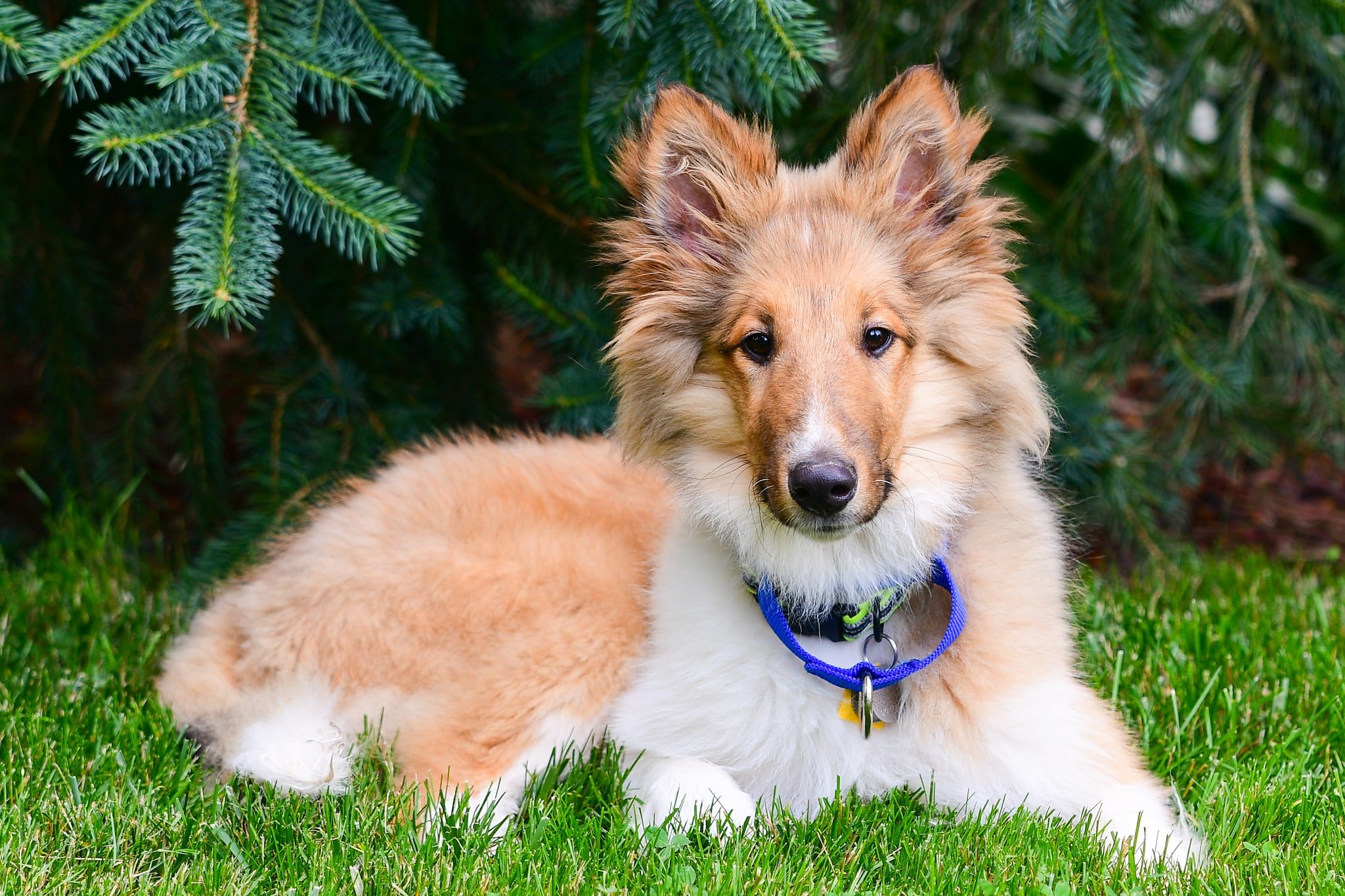
Even adorable Rough Collie puppies have the coat characteristics that produce allergens 🐾 Rough Collies possess several characteristics that make them particularly challenging for people with allergies. Understanding these factors can help you make an informed decision about whether this breed is right for your household. 🌨️ Heavy Seasonal SheddingThe Rough Collie's double coat sheds profusely, especially during seasonal transitions in spring and fall. This period, often called "blowing coat," can last several weeks and results in massive amounts of hair throughout your home. The undercoat releases in clumps, carrying substantial amounts of dander and allergens with it. Even outside of these peak shedding seasons, Rough Collies shed moderately year-round, continuously releasing allergen-carrying hair into your environment. ❄️ 🧥 Double Coat StructureThe breed's magnificent double coat consists of a long, harsh outer coat and a soft, dense undercoat. This dual-layer system is designed to protect the dog from harsh weather conditions, but it also means double the potential for allergen production. The dense undercoat traps dander close to the skin, which is then released into the air when the dog moves, shakes, or is groomed. The longer outer coat collects and distributes allergens throughout your living space as the dog moves around. 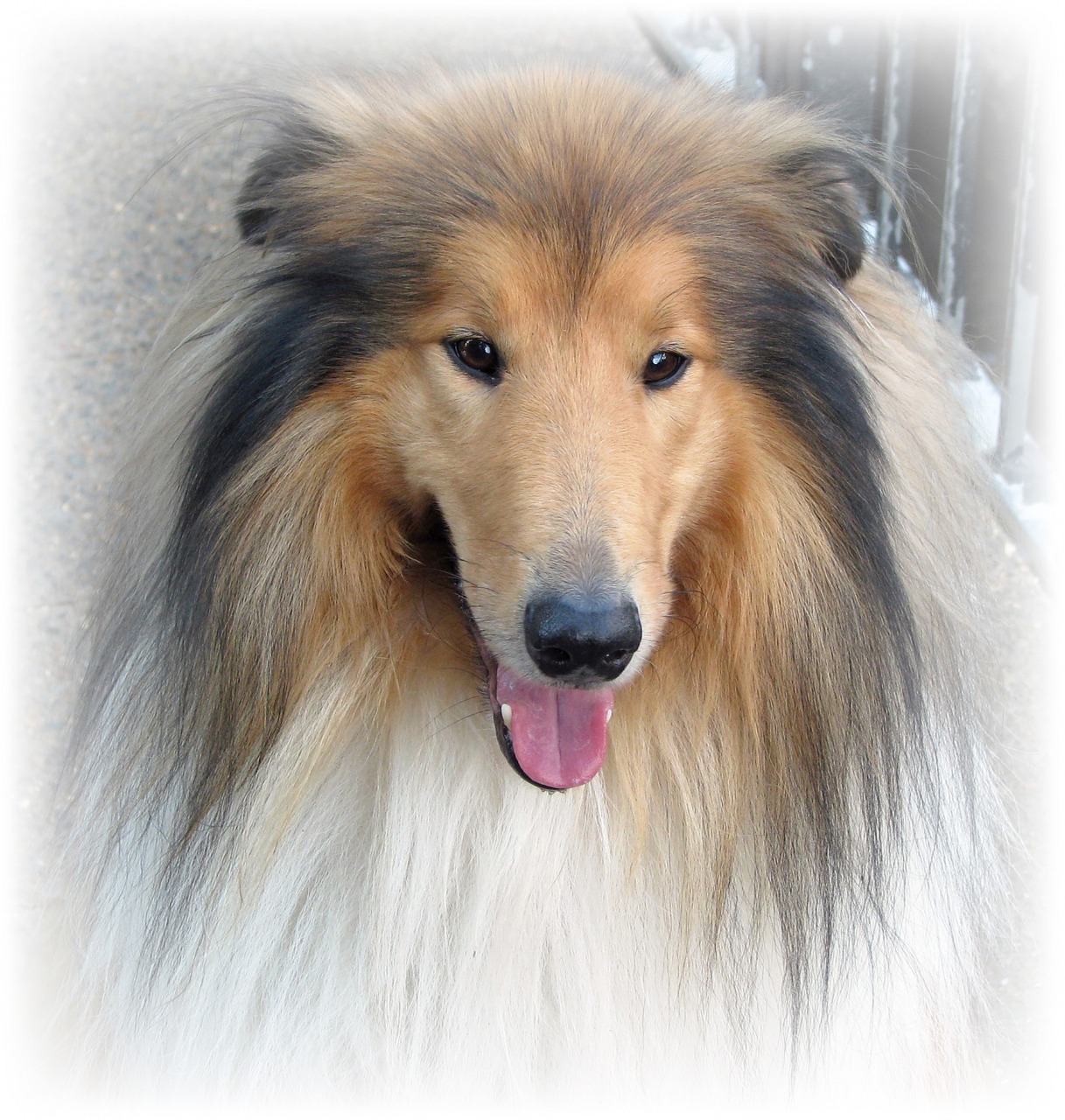
That beautiful face comes with a coat that requires significant maintenance 💝 💨 High Dander ProductionThe extensive skin surface area beneath all that coat produces substantial amounts of dander. As the Rough Collie's skin naturally regenerates, dead skin cells become trapped in the dense undercoat before being released into the air. The breed's active nature and frequent movement cause constant dander dispersion throughout your home, making it difficult to maintain a low-allergen environment even with rigorous cleaning routines. 🎨 Coat Maintenance ChallengesWhile regular grooming can help manage allergens to some extent, the Rough Collie's grooming needs actually contribute to allergen exposure. Frequent brushing is essential to prevent matting and manage shedding, but each grooming session releases clouds of dander and loose hair into the air. The time-intensive nature of properly grooming this breed means extended exposure to allergens during each maintenance session. Professional grooming, while helpful, can be expensive and still doesn't eliminate the allergen production—it merely manages it temporarily. ↑ Back to Menu🤧 Living with a Rough Collie When You Have Allergies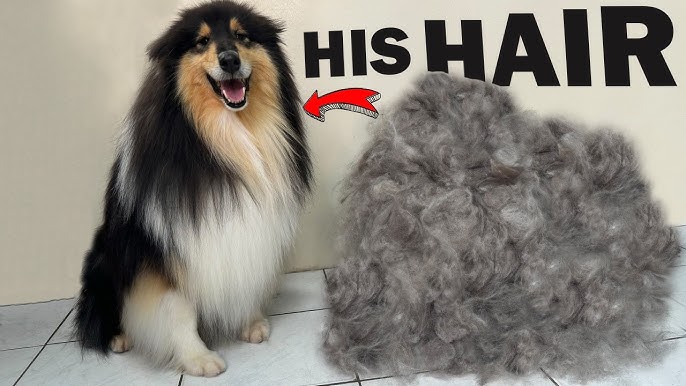
Regular grooming helps manage shedding but doesn't eliminate allergens ✂️ While Rough Collies are not suitable for most people with moderate to severe dog allergies, some individuals with very mild allergies might consider this breed if they're willing to implement comprehensive management strategies. However, it's crucial to be realistic about the challenges involved. ⚠️ Important ConsiderationIf you have moderate to severe allergies, allergy specialists generally recommend against choosing a Rough Collie. The breed's heavy shedding and high dander production can trigger significant allergic reactions, potentially affecting your quality of life and health. Even with the most diligent management strategies, you may find yourself constantly struggling with allergy symptoms. 🏠 Environmental Management StrategiesFor those with mild allergies who are committed to owning a Rough Collie, creating designated dog-free zones in your home is essential. Keep your bedroom completely off-limits to reduce nighttime allergen exposure and ensure quality sleep. Invest in high-quality HEPA air purifiers throughout your living spaces, particularly in areas where your dog spends the most time. These devices can significantly reduce airborne allergens, though they won't eliminate them entirely. 🌬️ Implement rigorous cleaning protocols that go beyond normal household maintenance. Vacuum daily using a vacuum with HEPA filtration, paying special attention to upholstered furniture, carpets, and areas where your Collie rests. Wash all dog bedding and removable covers weekly in hot water to eliminate accumulated dander. Consider replacing carpeting with hard flooring, which is much easier to keep allergen-free and doesn't trap dander the way carpet fibers do. 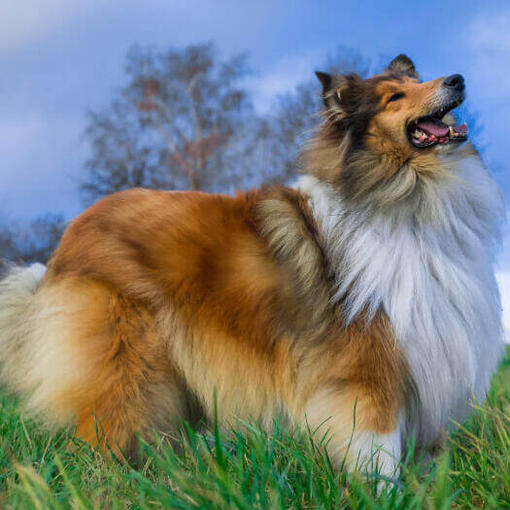
The beauty of the Rough Collie's coat requires dedication to maintain 🌸 🛁 Grooming and Hygiene ProtocolsOutdoor grooming is crucial when living with allergies and a Rough Collie. Whenever possible, brush your dog outside to prevent allergens from becoming airborne in your home. If you must groom indoors, do so in a bathroom or mudroom that can be thoroughly cleaned afterward, and wear a quality face mask to minimize inhalation of dander. Establish a regular bathing schedule using hypoallergenic, moisturizing dog shampoos that help reduce dander production. Most Rough Collies benefit from bathing every 4-6 weeks, though consult with your veterinarian to determine the optimal frequency for your individual dog. After baths, ensure thorough drying, as moisture trapped in the undercoat can lead to skin issues that increase dander production. Consider having a family member without allergies handle grooming duties whenever possible. 🚿 ✅ Positive Aspects of the Breed
⚠️ Allergy-Related Challenges
🔍 Explore Truly Hypoallergenic AlternativesIf you love the Rough Collie's intelligence and gentle nature but need a more allergy-friendly option, our comprehensive breed selector can help you discover perfect alternatives that won't trigger your allergies. Find breeds with the temperament you love in an allergy-friendly package! 🔄 Hypoallergenic Alternatives to Rough Collies
While Rough Collies come in beautiful colors, hypoallergenic breeds offer similar companionship 🎨 If you're drawn to the Rough Collie's intelligence, trainability, and gentle temperament but need a hypoallergenic alternative, several breeds offer similar characteristics without the allergy concerns. These breeds share the Rough Collie's positive traits while producing significantly fewer allergens. 🐩 Recommended Hypoallergenic Alternatives
Each of these breeds offers the intelligence, trainability, and gentle nature that make Rough Collies so beloved, but with minimal shedding and low dander production. Standard Poodles, in particular, are often recommended as they match the Rough Collie's size and share similar temperament traits while being among the most hypoallergenic breeds available. 🌟 ↑ Back to Menu💡 Tips for Rough Collie Owners Managing Allergies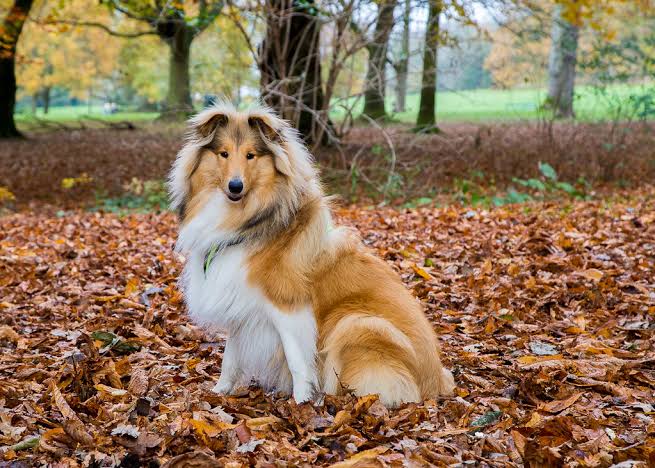
Managing allergies requires commitment but rewards you with wonderful companionship 🍂 If you already own a Rough Collie and are dealing with allergies, or if you're committed to bringing one into your home despite mild allergies, implementing comprehensive management strategies is essential. While these measures won't eliminate allergens entirely, they can significantly reduce exposure and help minimize allergic reactions. 🏡 Home Environment OptimizationCreate allergen-controlled spaces throughout your home. Establish strict boundaries that keep your Rough Collie out of bedrooms and other areas where you spend extended periods. This gives your immune system crucial recovery time away from allergens. Install HEPA air purifiers in every main living area, running them continuously to capture airborne dander particles. Choose models rated for rooms larger than your actual space to ensure adequate filtration capacity. Replace fabric furnishings with leather or vinyl alternatives when possible, as these materials don't trap allergens the way upholstery does. If you must keep upholstered furniture, use washable covers and launder them weekly. Remove carpeting in favor of hardwood, tile, or laminate flooring, which can be easily cleaned and doesn't harbor allergens. If removing carpet isn't feasible, invest in a high-quality vacuum with HEPA filtration and vacuum daily, ensuring you also vacuum upholstered furniture and drapes regularly. 🏠 🧼 Daily Maintenance RoutinesEstablish a consistent cleaning schedule that addresses allergen accumulation before it becomes problematic. Damp-dust all surfaces daily rather than dry dusting, which simply redistributes allergens into the air. Use microfiber cloths that trap particles effectively, and wash them in hot water after each use. Mop hard floors daily with allergen-reducing cleaning solutions specifically designed for homes with pets. 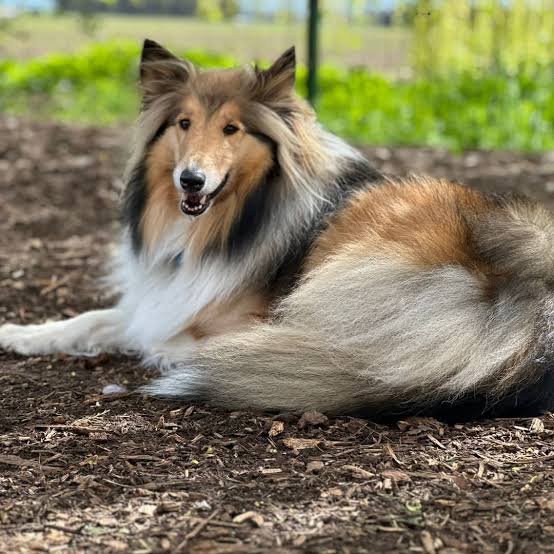
Encouraging outdoor time helps minimize indoor allergen accumulation 🌳 ✂️ Strategic Grooming ApproachesDevelop a grooming routine that minimizes allergen release inside your home. Brush your Rough Collie outdoors daily during heavy shedding seasons and at least every other day during normal periods. This prevents loose hair and dander from accumulating indoors. Use an undercoat rake to remove dead undercoat effectively, which is where most allergens are trapped. Consider hiring professional groomers for monthly deep-cleaning baths and blow-outs. Professional grooming removes far more loose coat than home bathing typically can, significantly reducing the allergen load your dog brings back into your home. If you bathe your dog at home, do so in a designated area that can be thoroughly cleaned afterward, and always wear a quality respirator mask during the process. Some owners find success with mobile grooming services that keep all allergen release outside the home environment. 🚿 💊 Medical Management OptionsWork with your allergist to develop a comprehensive medical management plan. Many people find relief through allergy immunotherapy (allergy shots or sublingual tablets), which can reduce sensitivity to dog allergens over time. This treatment typically takes months to years to achieve full effectiveness but can be life-changing for committed dog owners with allergies. Discuss daily antihistamine regimens with your doctor, as consistent preventive medication often works better than waiting to treat symptoms after exposure. Some individuals benefit from nasal corticosteroid sprays that reduce inflammation and allergic reactions. Keep emergency medications like fast-acting antihistamines and prescribed inhalers readily available for unexpected flare-ups. Remember that medical management should complement, not replace, environmental control measures. 💊 🌟 Success Story PerspectiveSome Rough Collie owners with mild allergies successfully manage their symptoms through diligent implementation of these strategies. However, this requires unwavering commitment to daily maintenance routines and typically involves ongoing medical management. Before committing to this path, honestly assess whether you're prepared for the substantial time, energy, and financial investment required. For many allergy sufferers, choosing a truly hypoallergenic breed provides a better quality of life for both owner and dog. 🧪 Allergy Testing Before Adopting a Rough Collie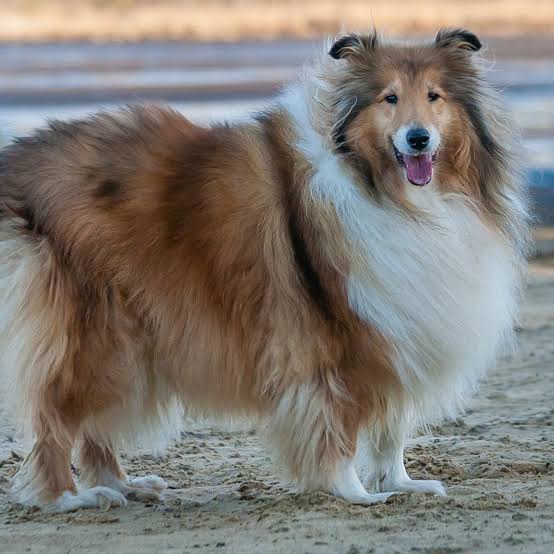
Test your reactions before making a lifelong commitment 🏖️ Before bringing a Rough Collie into your home, thorough allergy testing is absolutely essential if you or any family members have known allergies or a history of allergic reactions to animals. This testing can prevent the heartbreak of having to rehome a beloved pet due to unmanageable allergy symptoms. 🔬 Medical Allergy TestingSchedule an appointment with a board-certified allergist for comprehensive allergy testing. Skin prick tests can identify specific sensitivities to dog dander, saliva, and other animal-related allergens. Blood tests (specific IgE tests) measure your immune system's response to dog allergens and can provide valuable baseline information. These medical tests offer objective data about your sensitivity level and help predict how you might react to living with a high-shedding breed like the Rough Collie. 🩺 Discuss your test results thoroughly with your allergist. They can help you understand whether your sensitivity level makes Rough Collie ownership feasible or if you should seriously consider hypoallergenic alternatives. Some allergists offer provocation testing, where you're exposed to dog allergens in a controlled medical setting to assess your reactions, though this is less commonly performed. 🏠 Real-World Exposure TestingSpend extended time with Rough Collies before making adoption decisions. Visit breeders or friends who own the breed, but don't limit yourself to brief visits. Arrange to spend several hours at a time in homes with Rough Collies, ideally during shedding season when allergen levels are highest. Pay attention to how your symptoms develop—allergic reactions often worsen with extended or repeated exposure rather than appearing immediately. If possible, volunteer to dog-sit a Rough Collie for a weekend in your own home. This real-world test provides invaluable information about how you'll cope with daily exposure in your living environment. Monitor your symptoms carefully throughout the trial period and for several days afterward, as allergic reactions can be delayed or cumulative. Document any symptoms you experience, including their severity and duration, to discuss with your allergist. 🏡 👨👩👧👦 Family ConsiderationsTest all family members for dog allergies, not just those with known sensitivities. Children's allergies can develop or change as they grow, and bringing a long-lived breed like a Rough Collie (12-14 year lifespan) into your home is a commitment that extends through many childhood developmental stages. Consider how managing severe allergies might impact family dynamics and quality of life over the dog's lifetime. Discuss contingency plans as a family. If allergies prove unmanageable, what options will you consider? Having these difficult conversations before adoption prevents emotional distress and ensures every family member's health needs are prioritized. Remember that rehoming a dog due to allergies is traumatic for both the family and the dog. 👨👩👧👦 ⚠️ Critical ReminderNo amount of love for the breed can overcome severe allergies. If medical testing or real-world exposure reveals moderate to severe reactions, choosing a truly hypoallergenic breed is the responsible decision. This protects both your health and prevents the heartbreak of rehoming a beloved companion. Your allergist's guidance should carry significant weight in your decision-making process. ❓ Frequently Asked QuestionsAre Rough Collies hypoallergenic dogs?No, Rough Collies are not hypoallergenic. They possess a double coat that sheds heavily year-round, with particularly intense shedding during seasonal transitions. This extensive shedding, combined with high dander production, makes them unsuitable for individuals with dog allergies. The breed produces significant amounts of allergens that become airborne and settle throughout the home environment. How much do Rough Collies shed?Rough Collies shed heavily. They experience moderate shedding year-round and undergo intense seasonal shedding twice annually, typically in spring and fall. During these "blowing coat" periods, the undercoat releases in large quantities over several weeks, filling your home with substantial amounts of fur. Daily brushing is essential during these peak periods, and even with diligent grooming, you'll find dog hair throughout your living spaces. Owners should expect to vacuum daily and perform frequent grooming maintenance to manage the shedding. Can someone with mild dog allergies own a Rough Collie?Individuals with very mild allergies might manage Rough Collie ownership through rigorous environmental controls, frequent grooming, HEPA air filtration, and possibly medical management including allergy medications or immunotherapy. However, this requires exceptional commitment to daily maintenance routines and may still result in persistent symptoms. Anyone with moderate to severe allergies should seriously consider hypoallergenic alternatives instead. Before committing, spend extended time with Rough Collies and consult with an allergist to assess whether the breed is feasible for your situation. What are good hypoallergenic alternatives to Rough Collies?Several hypoallergenic breeds share the Rough Collie's desirable traits of intelligence, trainability, and gentle temperament. Standard Poodles are an excellent match, offering similar size, exceptional intelligence, and minimal shedding. Portuguese Water Dogs provide comparable loyalty and activity levels with hypoallergenic coats. Soft-Coated Wheaten Terriers offer gentle, friendly personalities in a more compact, low-shedding package. Lagotto Romagnolos are affectionate and trainable with excellent hypoallergenic qualities. All these breeds produce significantly fewer allergens while maintaining characteristics that Rough Collie enthusiasts appreciate. Does regular grooming reduce Rough Collie allergens?Regular grooming helps manage allergen levels but cannot eliminate them. Frequent brushing removes loose hair and dander before it disperses throughout your home, while regular bathing temporarily reduces dander on the skin. However, grooming sessions themselves release significant amounts of allergens into the air. For best results, groom outdoors whenever possible, use high-quality grooming tools designed for double coats, and consider professional grooming services monthly. Even with optimal grooming practices, Rough Collies will continue producing substantial allergens due to their coat type and shedding pattern. Are Smooth Collies more hypoallergenic than Rough Collies?No, Smooth Collies are not significantly more hypoallergenic than Rough Collies. While Smooth Collies have shorter coats, they still possess a double coat structure and shed considerably, producing substantial amounts of dander and allergens. The shorter coat length may make cleaning slightly easier, but it doesn't meaningfully reduce allergen production. Both varieties of Collie are unsuitable for individuals with dog allergies, and neither should be considered hypoallergenic options. Will air purifiers help with Rough Collie allergies?HEPA air purifiers can reduce airborne allergens but won't solve the problem entirely. They effectively capture dander particles floating in the air, potentially reducing allergic reactions for some individuals. For best results, use medical-grade HEPA purifiers rated for larger spaces than your rooms' actual size, run them continuously, and place units in areas where you spend the most time. However, air purifiers cannot eliminate allergens that settle on surfaces, embed in fabrics, or are constantly being produced by your Rough Collie. They should be part of a comprehensive management strategy, not relied upon as a sole solution. Do Rough Collie puppies produce fewer allergens than adults?Rough Collie puppies may produce slightly fewer allergens initially due to their smaller size and less developed coat, but this is temporary. As puppies mature, their double coat develops fully, and shedding increases substantially. Many people who tolerate puppy allergen levels find themselves struggling when the dog reaches adolescence and adulthood. Additionally, committing to a puppy based on temporary reduced allergen production is risky, as you're making a 12-14 year commitment to a dog that will eventually produce full allergen levels. Never adopt a Rough Collie puppy hoping allergies won't become problematic—they almost certainly will. 📝 Final ThoughtsThe Rough Collie is an extraordinary breed with intelligence, loyalty, and gentle temperament that have made them beloved family companions for generations. Their elegant appearance and devoted nature make them wonderful dogs for the right families. However, their heavy shedding and high allergen production make them definitively unsuitable for people with dog allergies. ❤️ If you've fallen in love with the Rough Collie's characteristics but have allergies, exploring truly hypoallergenic alternatives can lead you to a perfect match. Breeds like Standard Poodles, Portuguese Water Dogs, and others offer similar intelligence, trainability, and gentle temperaments without the allergy concerns. These breeds allow you to experience the joy of dog ownership without compromising your health and comfort. For those without allergies considering a Rough Collie, be prepared for significant grooming commitments and year-round shedding. These dogs reward dedicated care with unwavering loyalty and companionship. Understanding the breed's characteristics fully before adoption ensures a happy, healthy relationship for both you and your future companion. 🐕 Making the Right ChoiceChoosing the right dog breed is one of the most important decisions you'll make. Prioritize your health needs alongside your desire for canine companionship. With so many wonderful hypoallergenic breeds available, you don't have to compromise—you can find a dog that fits both your lifestyle preferences and your physical requirements. Take time to research, test your reactions, and consult with medical professionals before making this long-term commitment. 🌟 | |||||||||||||||||||||||||||||||
|
| |||||||||||||||||||||||||||||||
| Переглядів: 432 | | | |||||||||||||||||||||||||||||||

| Total comments: 0 | |