🐕 Are Corgis Hypoallergenic Dogs? No, Here's Why
🌱 Corgis are adorable family companions, but their double coat sheds significantly, making them unsuitable for allergy sufferers
🔍 Quick Facts About CorgisHypoallergenic ❌ No
Shedding Level 🔥 High
Grooming Needs ⚡ Moderate-High
Good for Allergies ❌ No
Weight 22-30 lbs (10-14 kg)
Height 10-12 in (25-30 cm)
⚡ Quick AnswerNo, Corgis are NOT hypoallergenic dogs. Corgis have a dense double coat that sheds heavily year-round, with particularly intense shedding periods twice a year. Their high dander production and constant fur release make them one of the worst choices for people with dog allergies. If you suffer from pet allergies, Corgis will likely trigger significant allergic reactions including sneezing, itchy eyes, and respiratory issues.
🔙 Back to Menu
👁️ Despite their charming looks, Corgis produce significant amounts of allergens through their fur and dander
🧬 What Makes a Dog Hypoallergenic?Before understanding why Corgis aren't suitable for allergy sufferers, it's important to know what makes a dog hypoallergenic. No dog is 100% hypoallergenic, but some breeds produce fewer allergens than others. The main allergens that trigger reactions in sensitive individuals are:
Interesting Fact: Studies show that Can f 1 protein levels can vary by up to 10 times between individual dogs of the same breed, but breeds with minimal shedding consistently produce lower overall allergen loads in homes.
Hypoallergenic breeds typically share these characteristics: single-layer coats that trap dander, minimal shedding patterns, and lower saliva allergen production. Unfortunately, Corgis possess none of these traits. 🔙 Back to Menu🚫 Why Corgis Are Not Hypoallergenic
🏃 Active Corgis spread allergens throughout your home as they move and play
🌪️ Shedding PatternCorgis are notorious heavy shedders. Their shedding pattern includes:
⚠️ Allergy Alert: During shedding season, Corgi owners report finding tumbleweeds of fur throughout their homes. This creates an allergen-rich environment that's particularly problematic for sensitive individuals.
🧥 Coat Type and CharacteristicsThe Corgi's coat structure is specifically designed for weather protection but terrible for allergy sufferers: Double Coat Details:
• Outer guard hairs - coarse, weather-resistant • Dense undercoat - soft, insulating layer that sheds extensively • Seasonal changes - undercoat thickness varies, causing major shedding periods 
🐶 Even Corgi puppies begin shedding early, establishing lifelong allergen production patterns
💨 Dander ProductionCorgis produce substantial amounts of dander due to:
Scientific data: Research indicates that homes with double-coated breeds like Corgis contain 3-5 times higher levels of airborne allergens compared to homes with single-coated or hairless breeds. ✂️ Grooming RequirementsCorgis require intensive grooming that can actually increase allergen exposure: 
✂️ Professional grooming sessions release massive amounts of fur and dander into the air
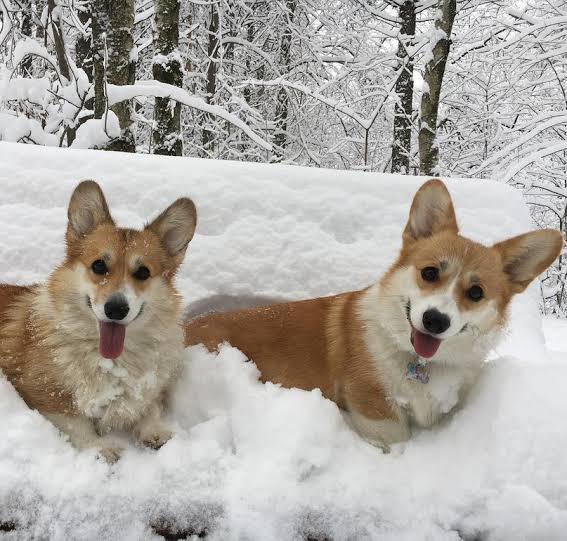
❄️ Multiple Corgis multiply allergen production - their winter coats shed extensively when spring arrives
🤧 Corgis and Allergy SufferersFor individuals with dog allergies, Corgis present multiple challenges that make them unsuitable companions: Common Allergic Reactions to Corgis:
• Sneezing and runny nose within 15-30 minutes • Itchy, watery eyes • Skin rashes from direct contact • Asthma attacks in sensitive individuals • Persistent coughing and throat irritation The severity of reactions varies, but 85% of dog allergy sufferers report moderate to severe symptoms when exposed to high-shedding breeds like Corgis. The compact size of Corgis can be misleading - their allergen production rivals that of much larger breeds due to their dense double coat. Real-World Impact: Allergy sufferers living with Corgis often require daily antihistamines, frequent home cleaning, and may still experience breakthrough symptoms during peak shedding seasons.

🏃 Outdoor activities with Corgis can trigger severe allergic reactions when they return inside with environmental allergens trapped in their coats
🔄 Alternatives for Allergy Sufferers🐕🦺 Similar Hypoallergenic BreedsIf you're drawn to Corgis but need a more allergy-friendly option, consider these alternatives:
🔍 What to Look ForHypoallergenic Breed Characteristics:
• Single-layer coats that don't shed seasonally • Hair that grows continuously (like human hair) • Minimal dander production • Lower Can f 1 protein levels in saliva • Breeds that require regular professional grooming to manage coat length rather than shedding 🔍 Find Your Perfect Hypoallergenic CompanionReady to find the perfect hypoallergenic dog breed for your lifestyle? Our interactive breed selector considers your specific needs, living situation, and allergy sensitivity to recommend the best matches. Discover which hypoallergenic breeds are perfect for your family in just 2 minutes! 
🍽️ Feeding time means more saliva production and allergen spread as Corgis groom themselves after meals
💡 Tips for Corgi Owners with Mild AllergiesIf you already own a Corgi and have mild allergies, these strategies can help reduce allergen exposure (though they won't eliminate it completely): 🏠 Home Environment Management:
• Install HEPA air purifiers in main living areas and bedrooms • Use allergen-proof covers on furniture and bedding • Vacuum daily with a HEPA-filtered vacuum • Maintain humidity levels between 30-50% to reduce airborne allergens • Create "dog-free zones" especially in bedrooms 🛁 Grooming and Cleaning Routine:
• Brush your Corgi daily outdoors to prevent indoor fur accumulation • Bathe weekly with hypoallergenic dog shampoo • Use de-shedding tools during peak shedding seasons • Have non-allergic family members handle grooming tasks • Wipe down your Corgi with pet wipes after outdoor activities 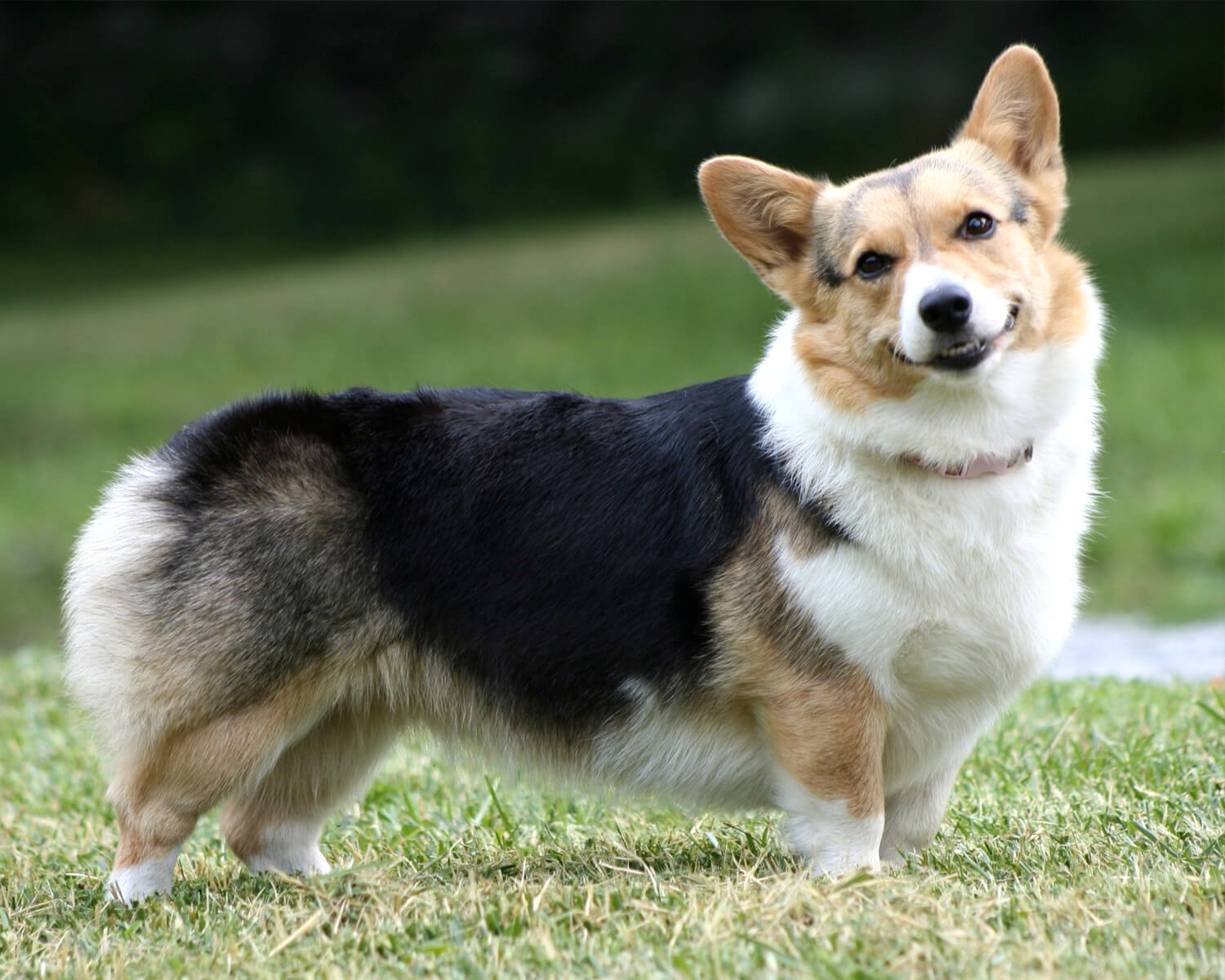
🌿 Regular outdoor brushing helps remove loose fur before it enters your home
💊 Medical Management: Consult with an allergist about preventive antihistamines, nasal sprays, and immunotherapy options. Some allergy sufferers benefit from taking medication 30 minutes before extended contact with their Corgi.
Realistic expectations: Even with diligent management, owners with moderate to severe dog allergies typically continue experiencing symptoms. These strategies work best for those with very mild sensitivities. 🔙 Back to Menu🧪 Testing Before AdoptingBefore bringing a Corgi into your home, it's crucial to test your allergic reactions thoroughly: 🔬 Pre-Adoption Testing Steps:
• Spend 2-3 hours with adult Corgis in different environments • Visit during shedding season (spring or fall) for accurate assessment • Handle the dogs directly - pet, play, and allow face contact • Monitor reactions for 24-48 hours after exposure • Test in the breeder's or shelter's indoor environment ⚠️ Important Warning: Puppy reactions may not predict adult dog allergies. Adult Corgis produce significantly more allergens than puppies due to fully developed coats and larger size.

🏖️ Active Corgis like beach running can bring additional environmental allergens into your home on their coats
Professional consultation: Schedule an appointment with an allergist before adopting. They can perform specific tests for dog allergens and provide personalized advice about pet ownership with your sensitivity level. 📊 Allergy Testing Statistics: Studies show that 62% of people who test "mildly allergic" to dogs in clinical settings experience moderate to severe reactions when living with high-shedding breeds like Corgis daily.
🔙 Back to Menu📝 ConclusionCorgis are wonderful, intelligent, and loyal companions, but they are definitively not suitable for people with dog allergies. Their dense double coat, heavy year-round shedding, and high dander production create an allergen-rich environment that can trigger significant reactions in sensitive individuals. 🚨 FINAL VERDICT: Corgis score 1/10 on hypoallergenic scale - NOT RECOMMENDED for allergy sufferers
If you're drawn to the Corgi's personality and energy level, consider exploring truly hypoallergenic alternatives like Portuguese Water Dogs, Xoloitzcuintlis, or Poodles. These breeds can provide similar companionship without compromising your health and comfort. Remember: choosing the right dog breed is a long-term commitment. Prioritize your health and well-being by selecting a breed that matches both your lifestyle preferences and your physical limitations. 🔙 Back to Menu❓ Frequently Asked QuestionsUnfortunately, most Corgi mixes inherit the double coat and heavy shedding traits. Corgi-Poodle mixes (Corgipoos) may shed slightly less but are not truly hypoallergenic. The Corgi genetics typically dominate coat characteristics.
Yes, Corgis are moderate to heavy barkers. Originally bred as herding dogs, they have strong vocal instincts and will bark to alert, when excited, or when seeking attention. They rank 7/10 on barking frequency scales and require training to manage excessive vocalization.
With proper exercise, yes. Despite their herding background, Corgis adapt well to apartment living due to their small size (22-30 lbs / 10-14 kg). However, they need 60-90 minutes of daily exercise and mental stimulation. Their shedding can be problematic in small spaces.
Corgis are highly intelligent and generally easy to train. They rank in the top 15 most intelligent dog breeds and respond well to positive reinforcement. However, they can be stubborn and independent-minded, requiring consistent, patient training from an early age.
Corgis can handle 6-8 hours alone but prefer company. They may develop separation anxiety or destructive behaviors if left alone too frequently. Adult Corgis are more tolerant than puppies, but they thrive with mid-day walks or dog walker visits during long work days.
Corgis are moderately calm indoors but energetic outdoors. They have bursts of high energy followed by rest periods. Adult Corgis (3+ years) are calmer than puppies, but they maintain playful, alert personalities throughout their lives. They're not typically described as "mellow" dogs.
Corgis are among the heaviest shedders. They shed more than Golden Retrievers, German Shepherds, and most other double-coated breeds relative to their size. During peak shedding seasons, owners can collect handfuls of fur daily. They rank 9/10 for shedding intensity.
Medications can reduce but not eliminate allergic reactions to Corgis. Antihistamines, nasal sprays, and prescription allergy medications may help with mild symptoms, but people with moderate to severe dog allergies typically still experience breakthrough reactions, especially during shedding seasons.
🐕 Explore More Dog Breed InformationDiscover detailed guides about hypoallergenic and non-hypoallergenic dog breeds to make the best choice for your family. 🔝 Back to Top | ||||||||||||||||||||||||||||||||||||
|
| ||||||||||||||||||||||||||||||||||||
| Переглядів: 235 | | | ||||||||||||||||||||||||||||||||||||

| Total comments: 0 | |