🐶 Bedlington Terrier: Hypoallergenic Guide ✅Character, Grooming & Suitability 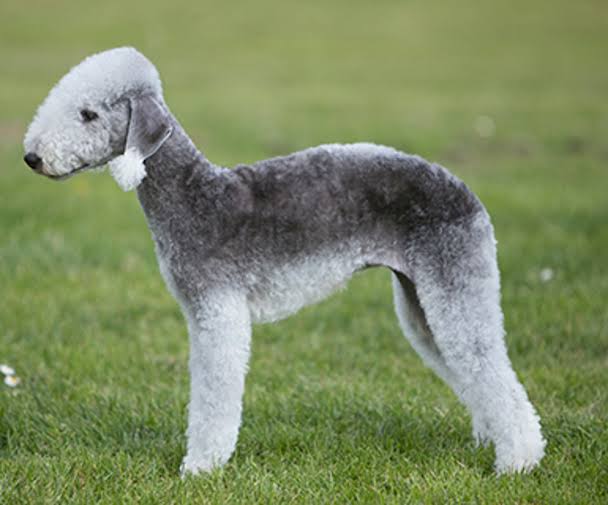
🟢 Hypoallergenic Level: High - Excellent choice for allergy sufferers
🏷️ Key CharacteristicsBasic InformationSize: Medium
Height: 15-17 inches (38-43 cm) Weight: 17-23 lbs (7.7-10.4 kg)
Life Expectancy: 12-16 years
Hypoallergenic: ✅ Yes
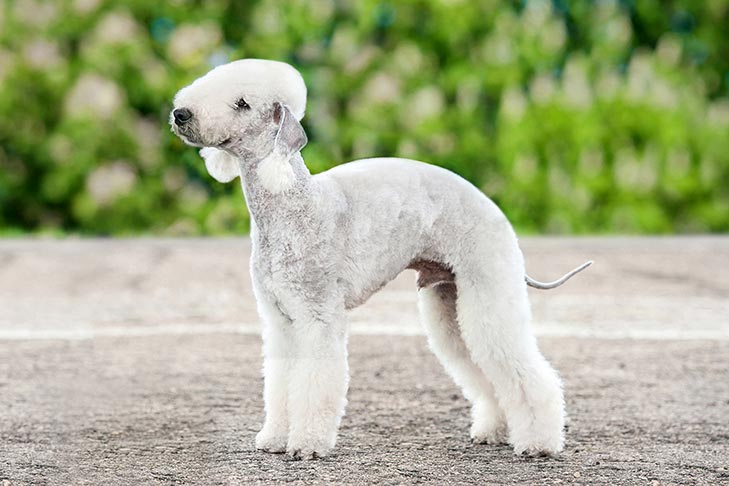
Color VariationsThe Bedlington Terrier comes in several beautiful coat colors. Puppies are typically born dark (black or brown) and gradually lighten as they mature. Adult colors include blue, sandy, liver, blue and tan, sandy and tan, and liver and tan. The characteristic lamb-like appearance is enhanced by their unique woolly coat texture that creates their distinctive silhouette. ↑ Back to Menu🏛️ Origin & HistoryThe Bedlington Terrier originated in the mining town of Bedlington, Northumberland, England, in the early 19th century. Originally bred by miners and nail makers, these dogs were known as Rothbury Terriers or Rodbury Terriers after the nearby Rothbury Forest. The breed was developed to hunt vermin in mines and to poach rabbits and other game on estate lands, requiring a dog with both courage and speed. 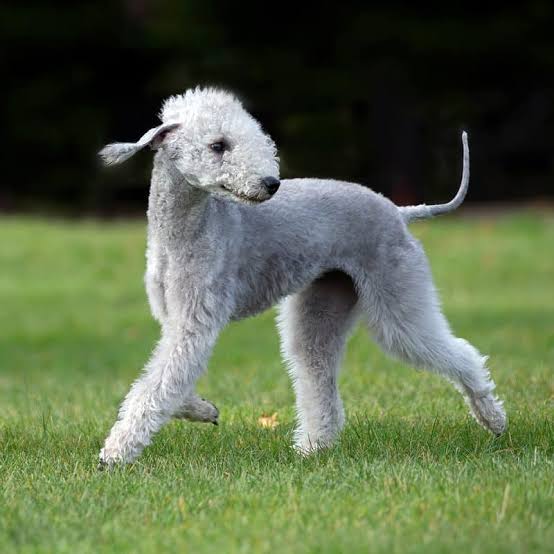
The first dog specifically called a Bedlington Terrier was a dog named Piper, owned by Joseph Ainsley of Bedlington in 1825. The breed gained popularity among the working class for its exceptional ratting abilities and later caught the attention of aristocrats who appreciated the breed's elegant appearance and refined demeanor. By the mid-1800s, dog shows began featuring Bedlington Terriers, and the breed standard was established. Despite their lamb-like appearance and gentle demeanor with family, Bedlington Terriers retain their fearless terrier spirit. They were bred to be tough enough to face badgers and fast enough to catch rabbits, traits that remain evident in the modern breed. The Bedlington Terrier Club was formed in England in 1875, and the breed was recognized by the American Kennel Club in 1886. Today, while they are cherished companion dogs, they still excel in various dog sports and maintain their hunting instincts. ↑ Back to Menu💕 Character & Temperament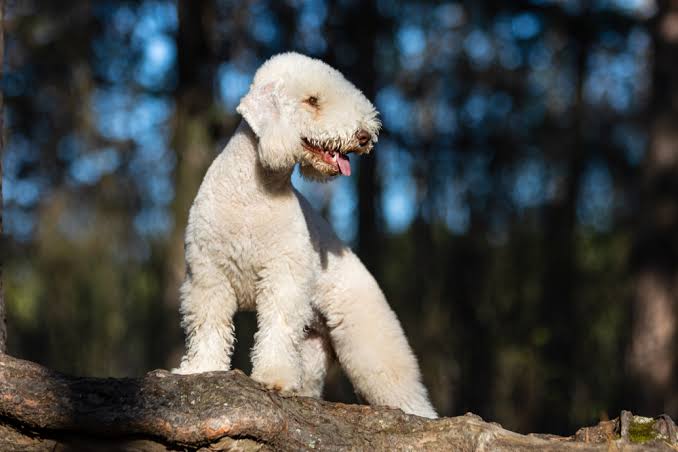
The Bedlington Terrier is often described as having the heart of a lion in the body of a lamb. This unique breed combines gentle affection with bold courage, making them fascinating companions. With their families, Bedlingtons are loving, loyal, and playful. They form strong bonds with their owners and enjoy being part of household activities. Their intelligent and alert nature makes them excellent watchdogs who will announce visitors but are generally not aggressive. 🎭 The Dual Nature"Mild with the mild, but a lion with the lion" - this traditional saying perfectly captures the Bedlington's adaptable temperament Despite their refined appearance, Bedlington Terriers possess strong hunting instincts and remarkable courage. They can be feisty with other dogs if challenged and have a high prey drive toward small animals. However, when properly socialized from puppyhood, they can coexist peacefully with other pets. Their terrier heritage means they can be somewhat stubborn and independent, requiring patient and consistent training. 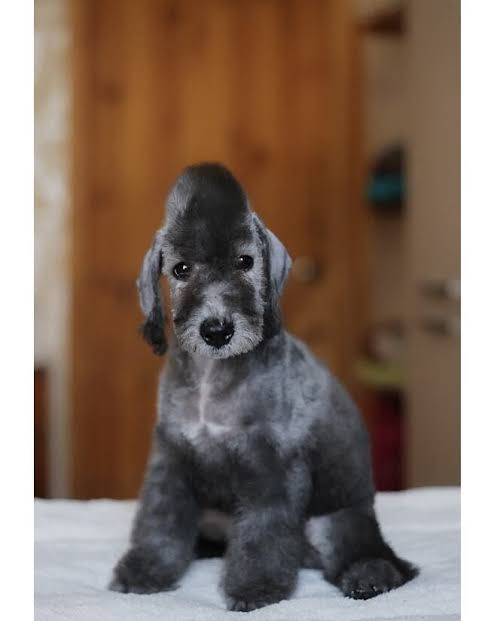
Bedlington Terriers are known for their playful and entertaining personality. They maintain a youthful, spirited attitude well into adulthood and enjoy interactive games with their families. They are sensitive dogs who respond best to positive reinforcement training methods. Harsh corrections can damage their trust and willingness to cooperate. With proper socialization and training, Bedlingtons make wonderful family companions who are both dignified and fun-loving. ↑ Back to Menu👀 Physical AppearanceThe Bedlington Terrier's appearance is truly distinctive and unmistakable. Often compared to a lamb, their unique look sets them apart from all other dog breeds. The breed possesses a graceful, lithe body that reflects their athletic heritage, combined with a soft, curly coat that gives them their characteristic gentle appearance. 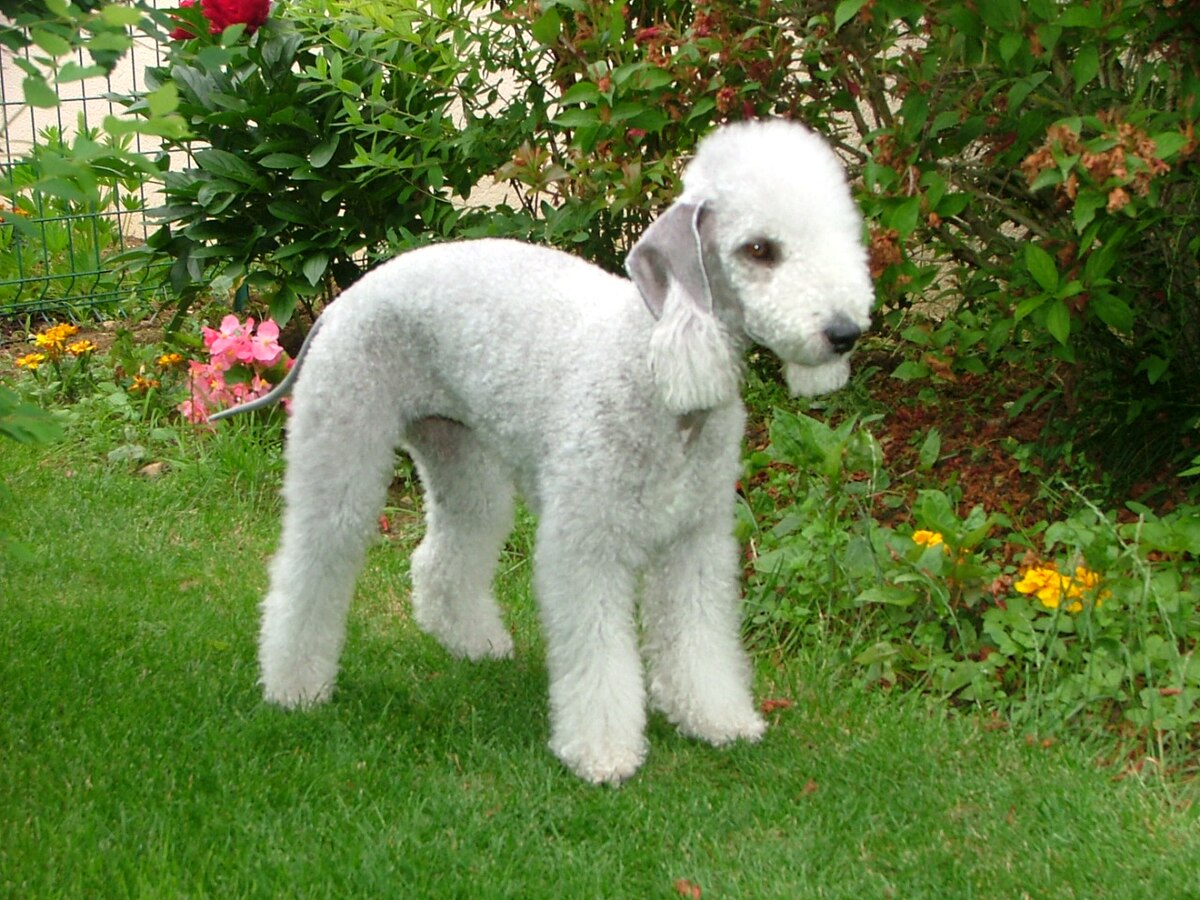
The coat texture is one of the breed's most notable features. It consists of a combination of soft and hard hair that creates a crisp but not wiry texture. The coat does not shed in the traditional sense, which contributes to the breed's hypoallergenic qualities. When properly groomed, the coat forms a distinctive outline that emphasizes the breed's elegant lines and graceful movement. The characteristic topknot on the head and the light coloring on the ears add to their lamb-like appearance. ↑ Back to Menu🏃 Activity Needs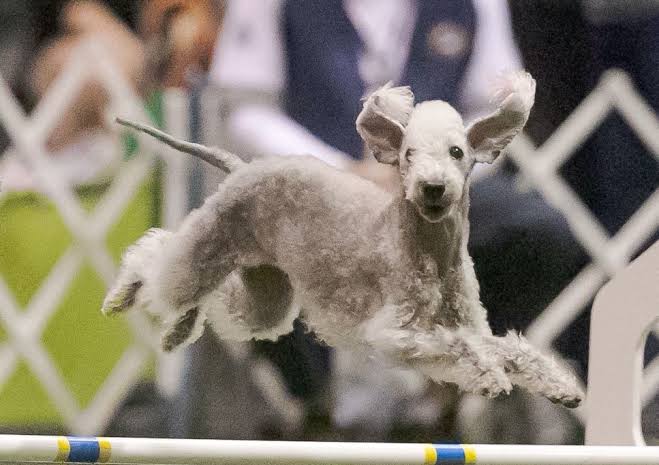
Bedlington Terriers are energetic and athletic dogs that require regular exercise to maintain their physical and mental health. Despite their refined appearance, they are true terriers at heart with substantial energy reserves and a need for daily activity. A sedentary lifestyle does not suit this breed, and without adequate exercise, they may develop behavioral problems. ⚡ Daily Exercise RequirementsMinimum 60 minutes of moderate to vigorous exercise daily, plus mental stimulation activities
Bedlington Terriers excel in various dog sports and activities including agility, obedience, earthdog trials, and lure coursing. These activities provide excellent outlets for their energy and intelligence while strengthening the bond with their owners. Swimming is also an activity many Bedlingtons enjoy. However, owners should be cautious when exercising their Bedlington off-leash in unfenced areas due to their strong prey drive. They may chase after small animals and their terrier determination means they can quickly disappear from sight. Mental stimulation is equally important for this intelligent breed. Puzzle toys, training sessions, and interactive games help keep their minds sharp and prevent boredom. Bedlingtons are clever problem-solvers who enjoy challenges. Without adequate mental exercise, they may create their own entertainment, which might include unwanted behaviors like digging or excessive barking. ↑ Back to Menu✂️ Grooming Care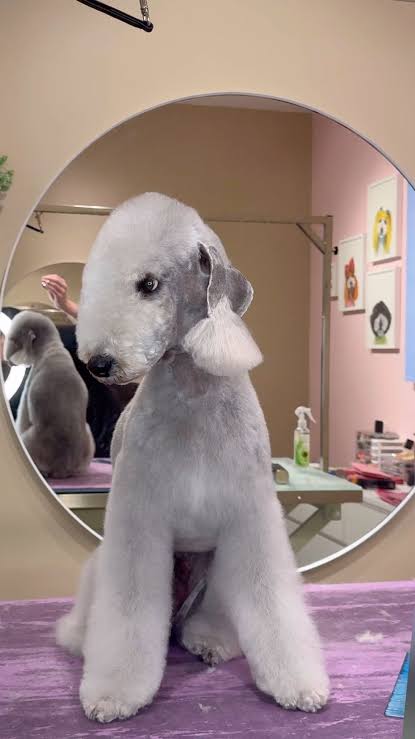
The Bedlington Terrier's unique coat requires specialized grooming to maintain its distinctive appearance and hypoallergenic qualities. While their coat doesn't shed traditionally, it requires regular maintenance to prevent matting and to keep the dog comfortable. Proper grooming is essential not just for aesthetics but for the dog's overall health and the comfort of allergy-sensitive owners. ✂️ Professional Grooming ScheduleEvery 6-8 weeks for clipping and shaping to maintain the breed's characteristic lamb-like appearance
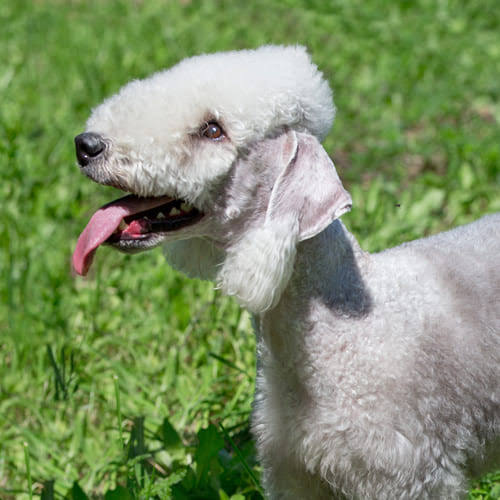
The Bedlington's coat is clipped rather than stripped, unlike many other terrier breeds. The traditional Bedlington clip involves leaving the coat longer on the legs, chest, and head while closely clipping the body. This creates the characteristic pear-shaped outline when viewed from the side. The topknot is scissored to a rounded shape, and the ears are trimmed to have a velvety appearance with a small tassel at the tip. Between professional grooming appointments, owners should brush their Bedlington regularly with a slicker brush or pin brush to prevent tangles and mats from forming. Pay special attention to areas where mats commonly develop, such as behind the ears, under the legs, and around the collar area. Regular brushing also helps distribute natural oils throughout the coat and provides an opportunity to check for any skin issues or parasites. The breed's ears require special attention. Their hanging ear structure can trap moisture and debris, creating an environment conducive to ear infections. Weekly ear cleaning with a veterinarian-approved solution helps prevent problems. Check the ears regularly for redness, odor, or excessive wax buildup. Dental care is equally important, as small breeds can be prone to dental issues. Daily tooth brushing with dog-safe toothpaste is ideal, though three to four times weekly can also be effective. ↑ Back to Menu🍽️ Nutrition NeedsProper nutrition is fundamental to maintaining the Bedlington Terrier's health, energy levels, and distinctive coat quality. As an active, medium-sized breed, Bedlingtons require a balanced diet that provides adequate protein, fats, carbohydrates, vitamins, and minerals. The quality of food directly impacts their overall health, coat condition, and longevity.
Bedlington Terriers should be fed high-quality commercial dog food or a properly balanced homemade diet under veterinary guidance. Look for foods where meat is the first ingredient and avoid those with excessive fillers, artificial colors, or preservatives. The protein content should be appropriate for their activity level, typically 20-25% for adults and 25-30% for puppies and highly active dogs. ⚠️ Important: Copper Storage DiseaseBedlington Terriers are genetically predisposed to copper toxicosis, a condition where excess copper accumulates in the liver. Discuss copper-restricted diets with your veterinarian and consider genetic testing. Weight management is crucial for Bedlington Terriers. Despite their active nature, they can become overweight if overfed or under-exercised. Obesity can lead to serious health problems including joint issues, diabetes, and heart disease. Monitor your dog's body condition regularly - you should be able to feel their ribs easily without pressing hard, and they should have a visible waist when viewed from above. Adjust food portions based on activity level, age, and individual metabolism. Fresh water should always be available. Bedlingtons can be active dogs and need adequate hydration, especially during warm weather or after exercise. Avoid feeding immediately before or after vigorous exercise to reduce the risk of bloat. Treats should comprise no more than 10% of daily caloric intake and should be healthy options such as small pieces of lean meat, vegetables like carrots, or commercial treats designed for dental health. ↑ Back to Menu👨👩👧👦 Suitable For
Families with ChildrenBedlington Terriers can be excellent family dogs when raised with children or properly socialized from puppyhood. They are generally affectionate and playful with family members, including children. However, due to their terrier nature, they are best suited for families with older children who understand how to interact respectfully with dogs. Young children should always be supervised during interactions, as Bedlingtons may not tolerate rough handling or teasing. They typically form strong bonds with all family members and enjoy being included in household activities. Apartment LivingBedlington Terriers can adapt well to apartment living provided their exercise needs are met. Their moderate size makes them suitable for smaller living spaces, and they are generally not excessive barkers, which neighbors will appreciate. However, apartment dwellers must commit to providing adequate daily exercise through walks, play sessions, and mental stimulation. A Bedlington who doesn't receive enough physical and mental exercise may become restless and potentially destructive in a confined space. Access to outdoor areas for bathroom breaks and play is essential. Experience LevelThis breed is suitable for both experienced and first-time dog owners who are willing to commit to their needs. While Bedlingtons are intelligent and trainable, their terrier independence can present challenges for novice owners. First-time owners should be prepared to invest time in positive reinforcement training and early socialization. The breed's grooming requirements also demand commitment, either learning to groom at home or budgeting for regular professional grooming. Experienced dog owners will appreciate the Bedlington's versatility and spirited personality.
🔍 Discover Your Ideal Hypoallergenic MatchWondering if the Bedlington Terrier is the perfect fit for your lifestyle? Our interactive breed selector takes into account your living situation, activity level, experience, and allergy concerns to recommend the best hypoallergenic breeds for you. Get personalized breed recommendations based on your unique needs in just 2 minutes! ⚖️ Pros & Cons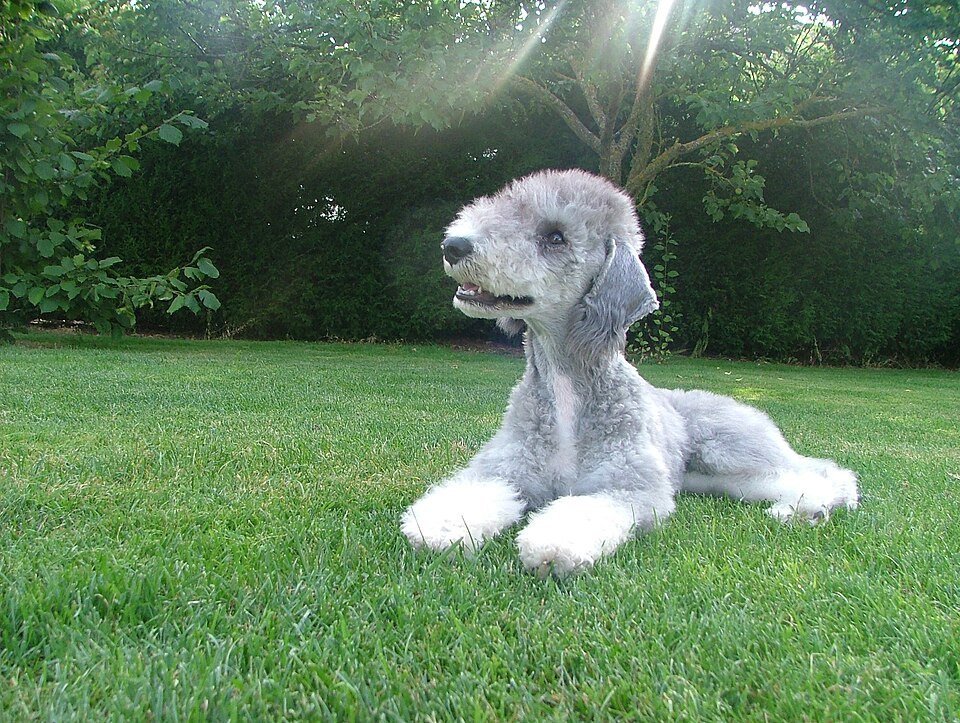
✅ Advantages
❌ Challenges
❓ Frequently Asked QuestionsAre Bedlington Terriers truly hypoallergenic?Yes, Bedlington Terriers are considered highly hypoallergenic. Their unique coat doesn't shed in the traditional way, which significantly reduces the amount of dander released into the environment. The coat is a mixture of soft and hard hair that grows continuously rather than shedding seasonally. However, no dog is 100% hypoallergenic, and individual reactions vary. Regular grooming and bathing help minimize allergens further, making Bedlingtons one of the best choices for allergy sufferers. How much does Bedlington Terrier grooming cost?Professional grooming for a Bedlington Terrier typically costs $60-$100 per session, depending on your location and the groomer's experience with the breed. Since grooming is needed every 6-8 weeks, annual grooming costs range from $390 to $800. Some owners learn to groom their Bedlingtons at home to reduce costs, but this requires proper training, quality equipment, and significant time investment. The distinctive Bedlington clip requires skill to execute properly. Do Bedlington Terriers get along with cats?Bedlington Terriers have a strong prey drive due to their hunting heritage, which can make living with cats challenging. However, when raised together from puppyhood and properly socialized, many Bedlingtons can coexist peacefully with cats in the same household. Success depends largely on early introduction, consistent training, and supervision. They are more likely to accept cats they've grown up with than strange cats they encounter outdoors. Each dog's temperament varies, so individual assessment is important. What is copper storage disease in Bedlington Terriers?Copper storage disease (copper toxicosis) is a genetic liver disorder that affects Bedlington Terriers more than any other breed. The condition causes excessive copper accumulation in the liver, potentially leading to chronic hepatitis and liver failure. Genetic testing is available to identify carriers and affected dogs. Management includes copper-restricted diets and medications to help eliminate excess copper. Responsible breeders test their breeding stock to reduce the incidence of this condition. Early detection through regular veterinary monitoring is crucial for affected dogs. Are Bedlington Terriers good for first-time dog owners?Bedlington Terriers can work for first-time owners who are prepared for their specific needs. They require commitment to exercise, grooming, training, and socialization. First-time owners should be realistic about the time and financial investment required, particularly for professional grooming. The breed's intelligence makes them trainable, but their terrier independence can be challenging. Success requires patience, consistency, and ideally, enrollment in puppy training classes. First-time owners who are active, dedicated, and willing to learn can successfully raise a well-adjusted Bedlington Terrier. How much exercise does a Bedlington Terrier need daily?Bedlington Terriers require at least 60 minutes of exercise daily, including walks, play sessions, and mentally stimulating activities. They enjoy vigorous activities like running, playing fetch, and participating in dog sports such as agility or lure coursing. Without adequate exercise, they may develop behavioral problems including excessive barking, digging, or destructive chewing. Mental stimulation through training, puzzle toys, and interactive games is equally important. This is an athletic breed that thrives with active owners who can provide varied exercise opportunities. Do Bedlington Terriers bark a lot?Bedlington Terriers are moderate barkers. They will alert their families to visitors or unusual sounds, making them good watchdogs, but they are not typically nuisance barkers like some terrier breeds. With proper training and adequate exercise, excessive barking is generally not a problem. However, a bored or under-exercised Bedlington may bark more than usual. Early training to teach "quiet" commands and providing sufficient physical and mental stimulation will help ensure appropriate barking behavior. Their alert nature means they'll announce visitors but usually settle quickly. What colors do Bedlington Terrier puppies come in?Bedlington Terrier puppies are born much darker than adults. They are typically born black, dark brown, or dark sandy and gradually lighten as they mature, usually reaching their adult color by 12-18 months. Adult colors include blue (dark grey to silvery blue), sandy (ranging from light tan to reddish), liver (chocolate brown), and bi-color variations with tan markings. This color transformation is one of the breed's unique characteristics. The final adult color cannot be perfectly predicted at birth, though experienced breeders can often estimate based on genetics and puppy coloring. 🎯 Final ThoughtsThe Bedlington Terrier is a unique and wonderful breed that combines an elegant appearance with a spirited terrier personality. Their hypoallergenic coat makes them an excellent choice for allergy sufferers, while their loyal and affectionate nature ensures they make devoted family companions. However, potential owners must be prepared for their grooming needs, exercise requirements, and terrier temperament. With proper care, training, and socialization, a Bedlington Terrier can be a delightful addition to the right home, offering years of companionship, entertainment, and love. | ||||||||||||||||||||||||||||||||||||||||||||||||||||||||||||||||||||||||||||||||||||||||||||||||||||||||||
|
| ||||||||||||||||||||||||||||||||||||||||||||||||||||||||||||||||||||||||||||||||||||||||||||||||||||||||||
| Переглядів: 672 | | | ||||||||||||||||||||||||||||||||||||||||||||||||||||||||||||||||||||||||||||||||||||||||||||||||||||||||||

| Total comments: 0 | |