🐶 Bouvier des Flandres: Hypoallergenic Guide ✅Character, Grooming & Suitability 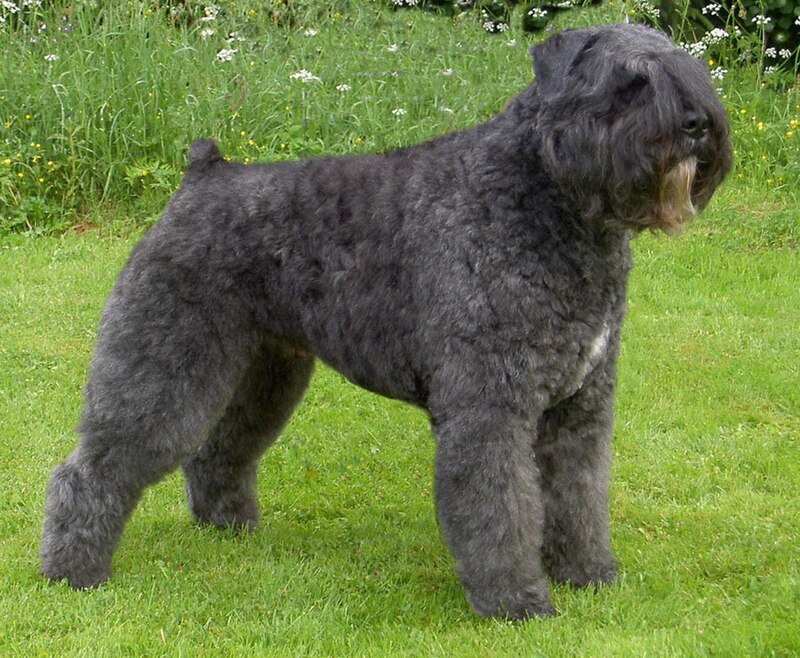
✅ Hypoallergenic Level: HIGH - Excellent choice for allergy sufferers
🏷️ Key CharacteristicsBreed OverviewSize: Large
Height: 23.5-27.5 inches (60-70 cm) Weight: 70-110 lbs (32-50 kg)
Life Expectancy: 10-12 years
Activity Level: High - Very Active
Grooming Difficulty: Moderate to High
Hypoallergenic: ✅ Yes - Low shedding
Available Colors
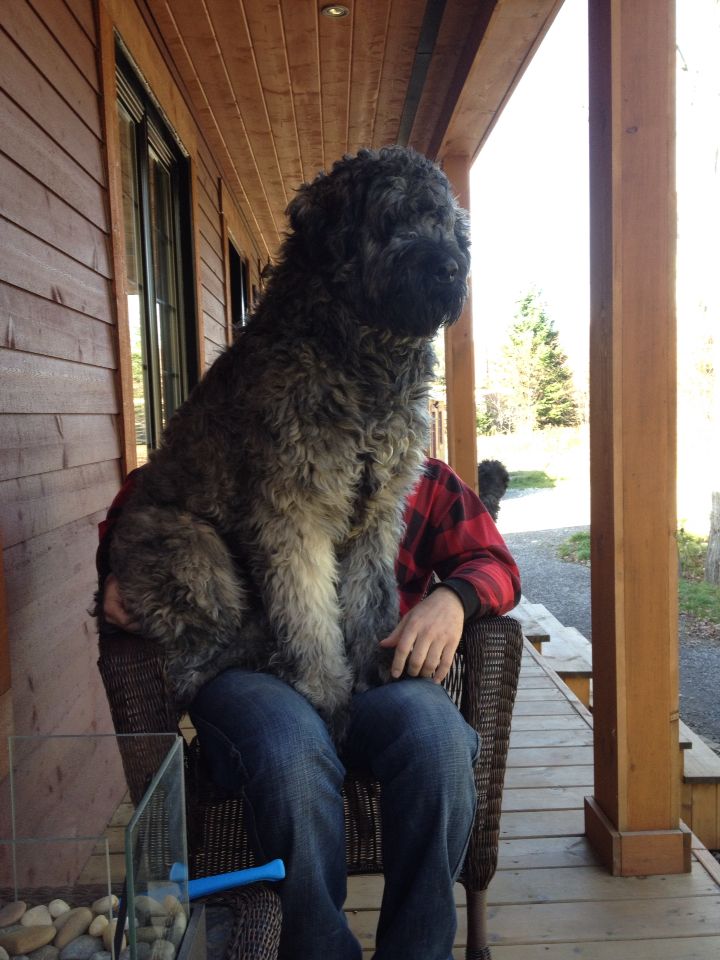
Bouvier des Flandres demonstrating their substantial size
🏛️ Origin & HistoryThe Bouvier des Flandres, whose name translates to "Cowherd of Flanders," originated in the agricultural regions of Belgium and northern France during the late 19th and early 20th centuries. These remarkable dogs were developed by farmers who needed versatile working companions capable of herding cattle, pulling carts, and guarding the farm. The breed's exact ancestry remains somewhat mysterious, though it likely includes various local farm dogs, possibly crossed with imported breeds such as Irish Wolfhounds and Scottish Deerhounds. 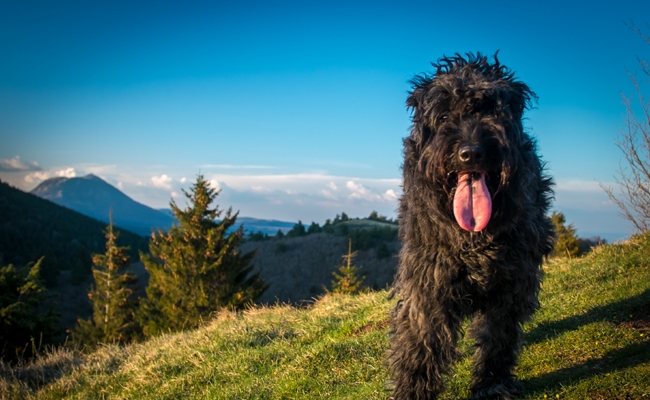
Bouvier des Flandres thriving in outdoor environments
The breed faced near extinction during World War I, when the Flanders region became a battlefield and many dogs perished alongside their owners. A Belgian army veterinarian named Captain Barbry is credited with saving the breed by rescuing several dogs and continuing a breeding program. His dog, Nic de Sottegem, became a foundation sire for the modern Bouvier des Flandres. After the war, dedicated breeders worked tirelessly to restore and standardize the breed, establishing the first breed standard in 1912. Throughout the 20th century, the Bouvier des Flandres transitioned from farm work to various professional roles including police work, military service, and search and rescue. The breed gained recognition from major kennel clubs, with the American Kennel Club officially recognizing it in 1929. Today, while some Bouviers still work on farms or serve in professional capacities, many have found their place as devoted family companions, beloved for their intelligence, loyalty, and hypoallergenic coat qualities that make them suitable for allergy-sensitive households. 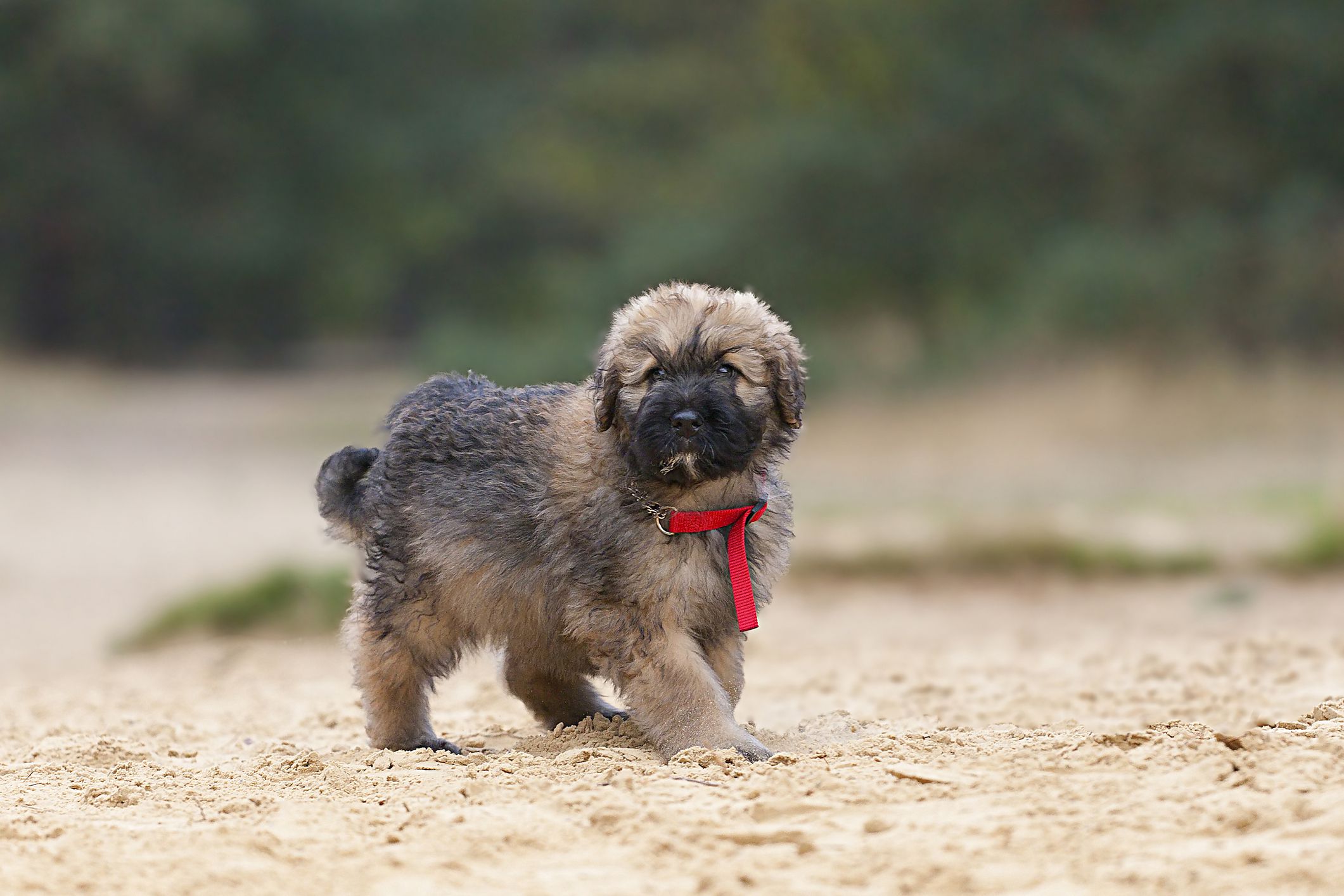
Adorable Bouvier des Flandres puppy
💕 Character & TemperamentThe Bouvier des Flandres possesses a complex and impressive temperament that reflects its working heritage. These dogs are renowned for their unwavering loyalty and deep devotion to their families. They form exceptionally strong bonds with their owners and are naturally protective, making them excellent guardians without being unnecessarily aggressive. The Bouvier's intelligence is remarkable, ranking among the most trainable breeds, though this intelligence comes with an independent streak that requires confident, consistent leadership. 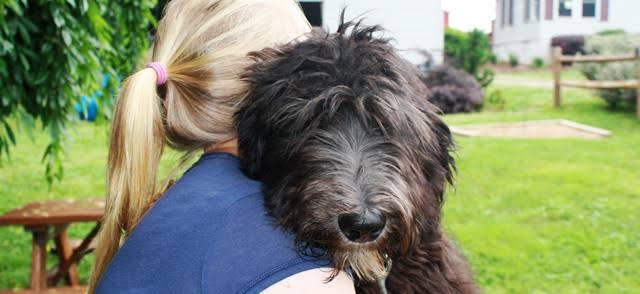
Bouvier des Flandres showing their affectionate nature
With proper socialization, Bouviers are gentle and patient with children within their own family, often taking on a protective role naturally. However, their herding instincts may manifest as attempts to "herd" running children by nudging or blocking their path. They can be reserved or aloof with strangers, preferring to assess new people carefully before warming up to them. This cautious nature makes early and ongoing socialization crucial to ensure they develop into well-adjusted adults who can distinguish between normal visitors and genuine threats. Temperament HighlightsBest suited for: Experienced owners who can provide firm, consistent training and plenty of mental and physical stimulation. Their work ethic means they thrive when given jobs to do, whether that's obedience training, agility, herding trials, or simply helping carry items around the house. The Bouvier's personality is characterized by calmness and composure when properly exercised, but they possess tremendous energy reserves that need appropriate outlets. Without sufficient physical and mental stimulation, they can become bored and potentially destructive. They're not typically hyperactive or overly excitable, instead displaying a dignified, steady demeanor that makes them excellent therapy and assistance dogs. Their strong work drive and eagerness to please make training sessions productive, though their stubborn streak means they'll occasionally test boundaries to see what they can get away with. 👀 Physical AppearanceThe Bouvier des Flandres presents an imposing and powerful appearance that immediately commands respect. These dogs are compactly built with a robust, muscular frame that conveys strength without appearing heavy or cumbersome. Their bodies are slightly longer than tall, giving them a rectangular profile when viewed from the side. The breed's overall silhouette is characterized by a substantial bone structure, deep chest, and strong, well-developed hindquarters that provide the power necessary for their original herding and draft work. 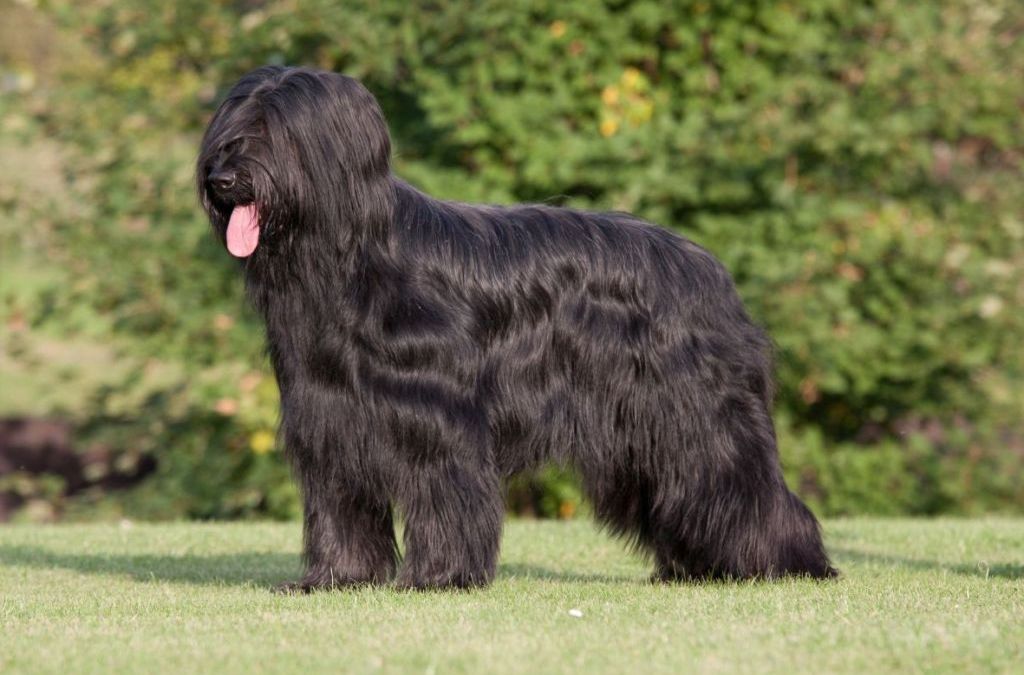
Distinctive double coat of Bouvier des Flandres
Coat CharacteristicsThe Bouvier's most distinctive feature is its remarkable double coat, which serves as both its signature look and its hypoallergenic quality. The outer coat is rough, harsh, and tousled in appearance, measuring approximately 2.5 inches in length throughout the body. This coarse topcoat is designed to be weather-resistant, protecting the dog from harsh Belgian winters and wet conditions. Beneath lies a soft, dense undercoat that provides additional insulation. The coat is notably low-shedding, which significantly reduces the amount of dander released into the environment, making this breed an excellent choice for allergy sufferers. 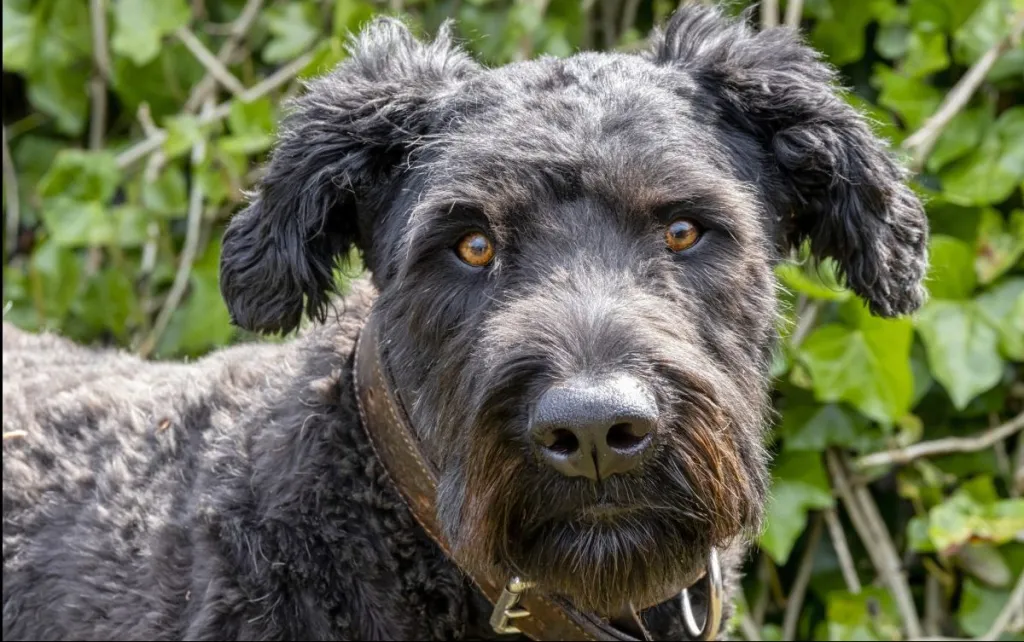
Characteristic bearded face and expressive eyes
Facial FeaturesThe Bouvier's head is perhaps its most characterful feature, with a distinctive beard and mustache that give the breed a wise, dignified expression. The eyebrows are prominent and bushy, partially shading dark, oval-shaped eyes that convey intelligence and alertness. The ears are triangular and set high on the skull, traditionally cropped in some countries (though this practice is increasingly banned and discouraged). The muzzle is broad and powerful, tapering slightly toward the nose, with strong jaws capable of the grip strength needed for their historical work.
🏃 Activity NeedsThe Bouvier des Flandres is a highly active breed that requires substantial daily exercise to maintain physical health and mental wellbeing. Originally bred to work all day on farms, these dogs possess tremendous stamina and energy reserves that modern owners must accommodate. A minimum of 60-90 minutes of vigorous exercise daily is essential, though many Bouviers will happily accept more. This exercise should be varied and engaging, combining physical activities with mental challenges to fully satisfy their intelligent, working minds. 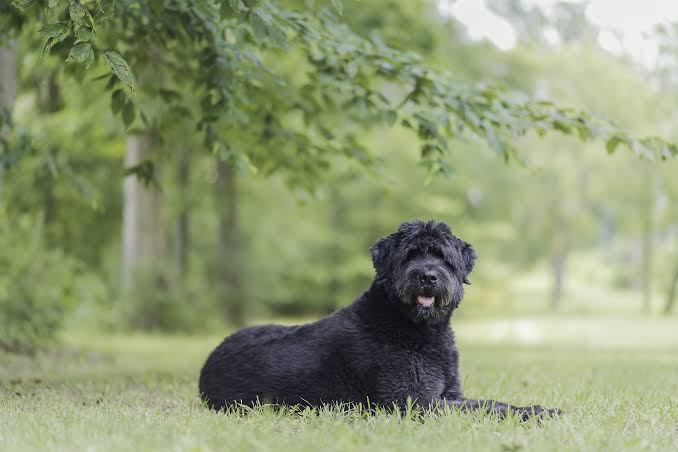
Bouvier des Flandres enjoying outdoor rest time
Ideal activities for Bouviers include long walks, jogging, hiking, agility training, herding trials, and obedience work. They excel at dog sports that challenge both body and mind, such as tracking, drafting (cart-pulling), and protection sports. Swimming can be an excellent low-impact exercise option, though not all Bouviers naturally take to water. Mental stimulation is equally important—puzzle toys, training sessions, and tasks that engage their problem-solving abilities help prevent boredom and associated behavioral issues. Without adequate exercise and mental engagement, Bouviers may become restless, destructive, or develop undesirable behaviors. Exercise RequirementsDaily minimum: 60-90 minutes of vigorous activity ✂️ Grooming CareMaintaining a Bouvier des Flandres' coat requires dedication and regular attention, though the effort is worthwhile given the breed's hypoallergenic qualities. The rough, double coat needs brushing at least 2-3 times weekly to prevent matting and remove dead hair. Use a pin brush or slicker brush to work through the coat systematically, paying special attention to areas prone to tangling such as behind the ears, under the legs, and around the collar area. During seasonal changes, daily brushing may be necessary to manage the slight increase in shedding of the undercoat. 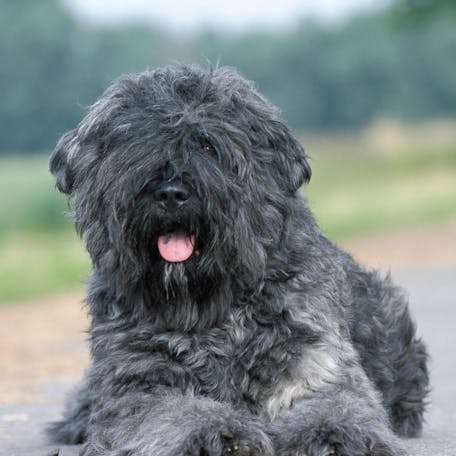
Well-maintained Bouvier coat requiring regular grooming
Professional GroomingMost Bouvier owners utilize professional grooming services every 6-10 weeks for trimming and shaping. The coat can be maintained in several styles—from the traditional rough, natural look to a shorter, more manageable trim. The beard and mustache require particular attention, as they tend to collect food and water, necessitating daily wiping and periodic washing. Hand-stripping (manually removing dead coat) is the traditional grooming method that maintains the proper coat texture, though many pet owners opt for clipping as a more practical alternative.
Additional grooming maintenance includes regular nail trimming (typically monthly or when you hear clicking on hard floors), weekly ear checks and cleaning to prevent infections, and dental care with brushing 2-3 times weekly minimum. The eyes should be monitored for discharge or irritation, especially given the bushy eyebrows that can sometimes irritate the eye area. While the grooming commitment is substantial, many owners find the routine becomes an enjoyable bonding activity, and the hypoallergenic benefits make the effort worthwhile. 🍽️ Nutrition NeedsFeeding a Bouvier des Flandres requires careful consideration of their size, activity level, and life stage. As large, active dogs, adult Bouviers typically require 4-6 cups of high-quality dry dog food daily, divided into two meals to reduce the risk of bloat (gastric dilatation-volvulus), a serious condition to which deep-chested breeds are susceptible. The exact amount varies based on the individual dog's metabolism, activity level, age, and the caloric density of the chosen food. Active working or sporting Bouviers may require significantly more calories than sedentary companion dogs. 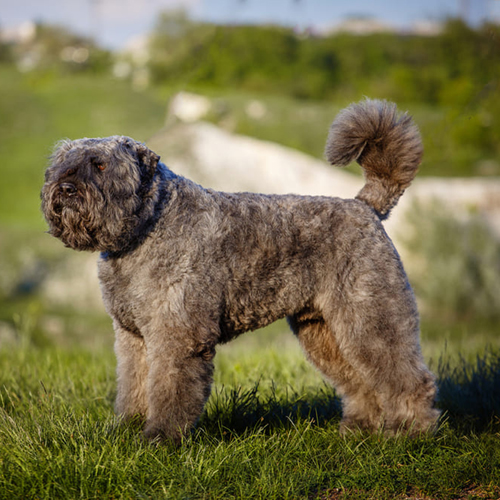
Well-nourished Bouvier displaying ideal body condition
Nutritional RequirementsChoose a premium dog food formulated for large breeds that lists a high-quality protein source (such as chicken, beef, fish, or lamb) as the first ingredient. Bouviers benefit from foods with moderate fat content (12-16%) to support their energy needs without promoting excessive weight gain. Joint-supporting ingredients like glucosamine and chondroitin are valuable, especially as the dog ages, given the breed's susceptibility to hip dysplasia. Omega-3 fatty acids from fish oil support coat health, skin condition, and cognitive function. Feeding GuidelinesPuppies (8 weeks - 6 months): 3-4 meals daily, large-breed puppy formula to control growth rate Proper feeding practices are crucial for preventing bloat. Always feed at consistent times, avoid exercise for at least one hour before and two hours after meals, use slow-feeder bowls if your dog eats too quickly, and ensure fresh water is always available but not consumed in large quantities immediately before or after meals. Monitor your Bouvier's body condition regularly—you should be able to feel the ribs easily but not see them prominently. Adjust portions as needed to maintain a healthy weight, as obesity can exacerbate joint problems and reduce overall quality of life. 👨👩👧👦 Suitable ForFamilies with ChildrenBouviers can be excellent family dogs when properly socialized and trained. They're naturally protective of "their" children and typically display remarkable patience with youngsters they know well. However, their large size and herding instincts require supervision around small children—an enthusiastic Bouvier can accidentally knock over a toddler, and they may attempt to herd running children. Families should teach children appropriate interaction with dogs and ensure the Bouvier receives consistent training. Best suited for families with children over 6 years old who understand how to respect the dog's space and can participate in training and care. Apartment LivingWhile technically possible, apartment living is challenging with a Bouvier des Flandres. Their large size (70-110 lbs) requires considerable space, and their high exercise needs mean owners must commit to multiple lengthy outings daily regardless of weather. Bouviers can be vocal when alerting to sounds or activity, which may disturb neighbors. They're also prone to "zoomies" (sudden bursts of energy) that can be disruptive in small spaces. A house with a securely fenced yard is strongly preferred, though dedicated urban owners who can provide 90+ minutes of daily exercise and regular access to open spaces can successfully keep a Bouvier in an apartment. First-Time vs. Experienced OwnersThe Bouvier des Flandres is not recommended for first-time dog owners. These intelligent, strong-willed dogs require confident, consistent leadership and extensive training to become well-mannered companions. They'll quickly exploit inconsistencies in rules and can become dominant if not properly managed. Their size and strength mean that behavioral issues can be genuinely dangerous if not addressed early. Experienced dog owners who understand positive reinforcement training, can establish clear boundaries, and commit to ongoing socialization and training will find the Bouvier a rewarding breed. Previous experience with large, working breeds (German Shepherds, Rottweilers, Belgian Malinois) is highly advantageous.
🔍 Discover Your Ideal Hypoallergenic MatchConsidering a Bouvier des Flandres but want to explore all your hypoallergenic options? Our intelligent breed selector tool analyzes your lifestyle, living situation, experience level, and allergy sensitivity to recommend the perfect dog breeds for your unique circumstances. Get personalized breed recommendations based on your specific needs in just 2 minutes! ⚖️ Pros & Cons✅ Advantages
⚠️ Challenges
❓ Frequently Asked QuestionsAre Bouvier des Flandres truly hypoallergenic?Yes, Bouviers are considered highly hypoallergenic due to their low-shedding double coat. While no dog is 100% hypoallergenic, Bouviers produce significantly less dander than most breeds. Their rough coat traps dead hair and dander, preventing it from dispersing into the environment. However, regular grooming is essential to maintain these hypoallergenic qualities. Individual reactions vary, so spending time with the breed before committing is recommended for severe allergy sufferers. How much exercise does a Bouvier des Flandres need daily?Bouviers require 60-90 minutes of vigorous exercise daily, though many will happily accept more. This should include a combination of physical activities (walks, runs, hikes) and mental stimulation (training, puzzle toys, dog sports). Without adequate exercise, Bouviers can become bored, restless, and potentially destructive. They excel at activities like agility, herding trials, cart-pulling, and obedience competitions. Is a Bouvier des Flandres good for first-time dog owners?No, Bouviers are not recommended for first-time dog owners. They require confident, consistent leadership and extensive training to prevent dominance issues. Their intelligence and strong-willed nature mean they'll exploit inconsistencies in training. Their large size and strength can make behavioral problems genuinely dangerous if not addressed properly. Experienced owners, particularly those familiar with large working breeds, will find them much more manageable and rewarding. How often does a Bouvier des Flandres need grooming?Bouviers require brushing 2-3 times weekly at minimum, with daily brushing during seasonal coat changes. Professional grooming every 6-10 weeks is recommended for trimming and shaping. The beard needs daily cleaning after meals and drinks. Regular maintenance also includes monthly nail trims, weekly ear cleaning, and frequent teeth brushing. The grooming commitment is substantial but necessary to maintain coat health and hypoallergenic properties. Are Bouviers good with children?Bouviers can be excellent with children when properly socialized and trained, particularly with children aged 6 and older. They're naturally protective and patient with "their" kids. However, their large size means they can accidentally knock over small children, and their herding instincts may lead to attempts at herding running youngsters. Supervision is essential, and children must be taught appropriate interaction with the dog. Early socialization and consistent training are crucial for success. Can a Bouvier des Flandres live in an apartment?While possible, apartment living is challenging for Bouviers due to their large size (70-110 lbs) and high exercise requirements. They need 90+ minutes of daily exercise regardless of weather, and their size limits indoor activity space. Bouviers can also be vocal watchdogs, which may disturb neighbors. A house with a securely fenced yard is strongly preferred. Only highly dedicated urban owners who can commit to extensive daily outdoor time should consider apartment living with this breed. What health issues are common in Bouvier des Flandres?Bouviers are generally healthy but can be prone to hip dysplasia, elbow dysplasia, and bloat (gastric dilatation-volvulus). Eye conditions such as cataracts and glaucoma can occur. Some lines may experience heart conditions like subaortic stenosis. Responsible breeders screen for these conditions. Maintaining a healthy weight, providing appropriate exercise, feeding multiple smaller meals to prevent bloat, and regular veterinary check-ups help minimize health risks. The breed's average lifespan is 10-12 years. How much does it cost to maintain a Bouvier des Flandres?Bouviers are expensive to maintain. Annual costs typically include: quality dog food ($800-1,200 for a large breed), professional grooming every 6-10 weeks ($600-1,000 annually), routine veterinary care ($500-800), and emergency medical fund recommendations ($1,000+ reserved). Additional expenses include training classes, toys, equipment, and potential health issues. Initial costs include purchase price from a reputable breeder ($1,500-3,000+) and puppy supplies. Budget $2,500-4,000+ annually for ongoing care. Do Bouviers bark a lot?Bouviers are naturally alert watchdogs and will bark to announce visitors, unusual sounds, or perceived threats. They're not excessively yappy but will vocalize when they detect something noteworthy. With proper training, you can teach them appropriate barking behavior and "quiet" commands. Their deep, impressive bark serves as an effective deterrent. The tendency to bark varies by individual; some Bouviers are more vocal than others. Early training and socialization help manage barking behavior effectively. How intelligent is the Bouvier des Flandres?Bouviers are exceptionally intelligent, ranking among the most trainable breeds. They excel at learning complex commands, problem-solving, and working tasks. However, their intelligence comes with an independent streak—they'll think for themselves and may test boundaries to see what they can get away with. This combination requires experienced handlers who can provide consistent, positive training while maintaining clear leadership. Their working heritage means they thrive when given tasks and challenges that engage their sharp minds. Ready to welcome a Bouvier des Flandres into your life? Remember: This loyal, intelligent breed requires experienced ownership, substantial exercise, regular grooming, and consistent training—but rewards dedicated owners with unwavering devotion and hypoallergenic companionship. ↑ Back to Top | |||||||||||||||||||||||||||||||||||||||||||||||||||||||||||||||||||||||||||||
|
| |||||||||||||||||||||||||||||||||||||||||||||||||||||||||||||||||||||||||||||
| Переглядів: 880 | | | |||||||||||||||||||||||||||||||||||||||||||||||||||||||||||||||||||||||||||||

| Total comments: 0 | |