Puppy Cut for Hypoallergenic Dogs: Complete GuideEverything You Need to Know About the Most Popular Low-Maintenance Dog Grooming Style 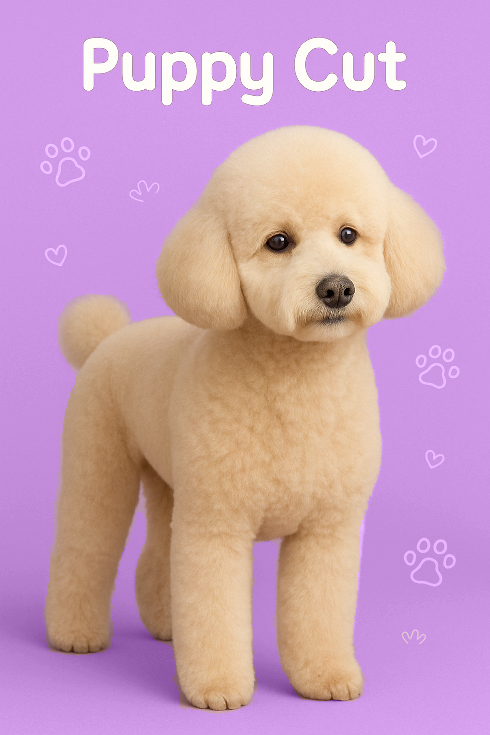
Perfect puppy cut on a hypoallergenic Poodle
If you're searching for a low-maintenance grooming style that keeps your hypoallergenic dog looking adorable year-round, the puppy cut is your answer. This versatile haircut has become the go-to choice for allergy sufferers who want to minimize dander and allergens while keeping their furry companion comfortable and stylish. Whether you own a Poodle, Maltipoo, Bichon Frise, or any other hypoallergenic breed, understanding the puppy cut will help you make informed grooming decisions that benefit both you and your dog. What is a Puppy Cut?The puppy cut is a popular all-over dog grooming style that trims the entire coat to a uniform length, typically between 1 to 2 inches (2.5 to 5 cm). Despite its name, this cut isn't just for puppies—it's suitable for dogs of all ages and has become one of the most requested styles at grooming salons worldwide. Key Characteristics of a Puppy CutLength
1-2 inches uniform Face
Rounded, teddy bear style Body
Even length all over Legs
Trimmed to match body Tail
Fluffy or trimmed to preference Maintenance
Low to moderate The beauty of the puppy cut lies in its simplicity and versatility. Unlike elaborate show cuts that require extensive styling and maintenance, the puppy cut keeps your dog looking neat and clean without the fuss. This makes it particularly appealing for busy pet owners and those managing allergies. 💡 Did You Know?The puppy cut got its name because it mimics the natural, fluffy appearance of puppy fur before their adult coat fully develops. It's designed to give dogs a youthful, playful look regardless of their age. What Does a Puppy Cut Look Like?Understanding the visual appearance of a puppy cut helps you communicate effectively with your groomer and know what to expect. The finished look creates a soft, rounded silhouette that emphasizes your dog's natural features while maintaining practical manageability. 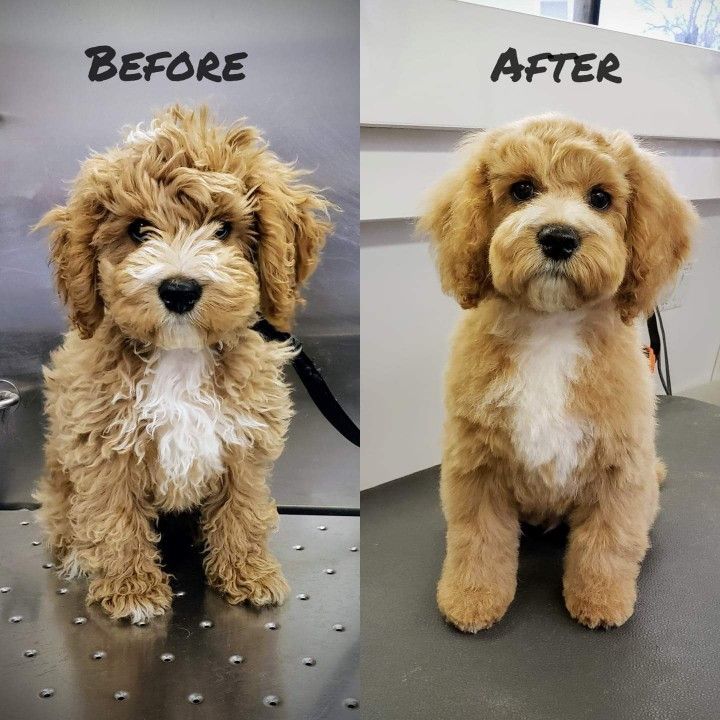
Before and after: Puppy cut transformation on a Maltipoo
Visual Features of the Puppy Cut
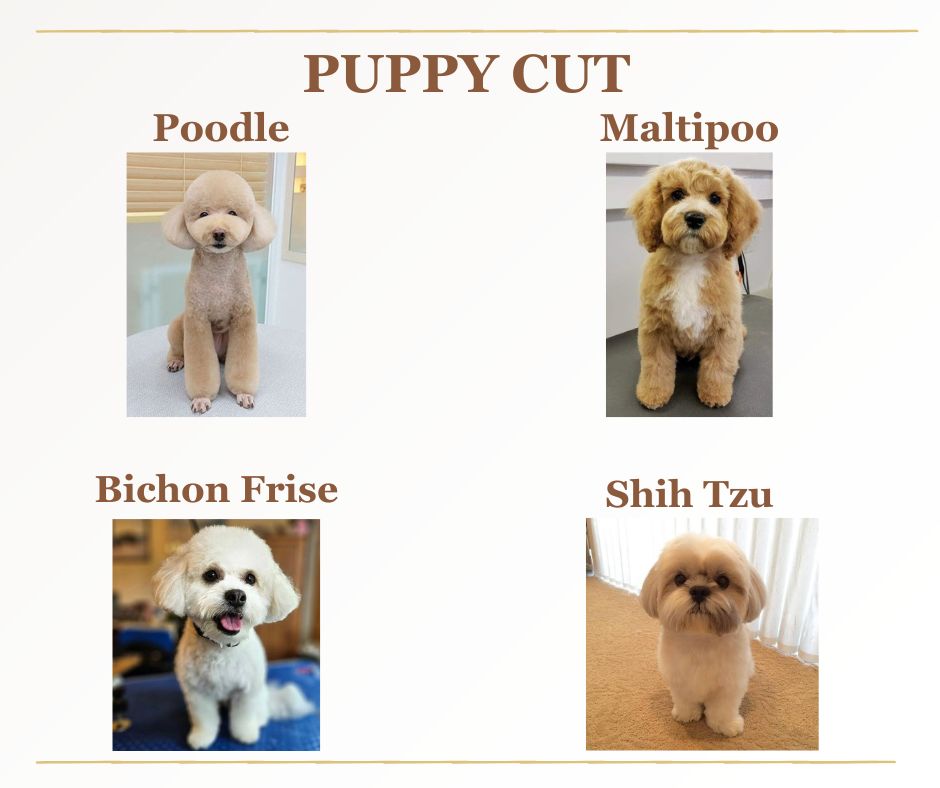
Puppy cut variations on Poodle, Bichon Frise, and Shih Tzu
The puppy cut's appearance can be slightly customized based on your preferences. Some owners prefer a shorter summer puppy cut (around 1 inch) for warmer months, while others opt for a longer winter puppy cut (closer to 2 inches) for added warmth. For more grooming style inspiration, check out our detailed guide on 12 Maltipoo Haircuts with Pictures. Best Hypoallergenic Breeds for Puppy CutWhile the puppy cut can technically be applied to any dog with sufficient coat length, it's particularly well-suited for hypoallergenic breeds with continuously growing, non-shedding coats. 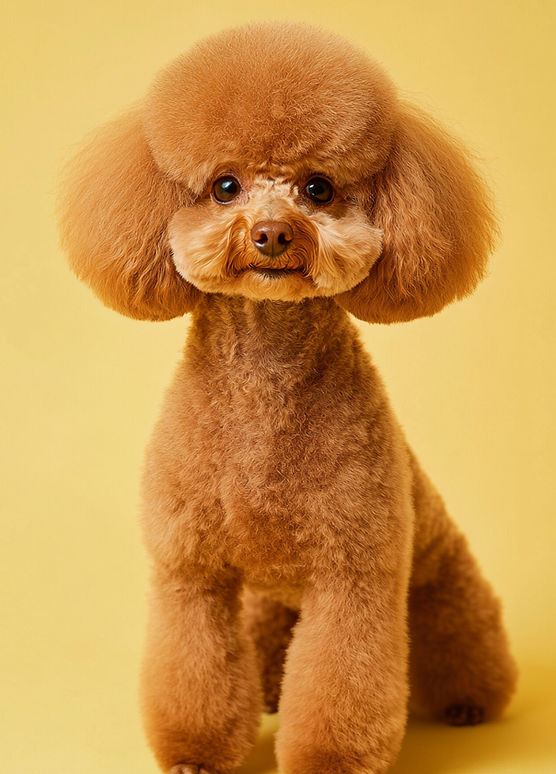
Top hypoallergenic breeds that look stunning with a puppy cut
Top Hypoallergenic Breeds for Puppy Cut1. Poodles (Standard, Miniature, and Toy)Poodles are the quintessential puppy cut breed. Their curly, non-shedding coat grows continuously and responds beautifully to this style. The puppy cut showcases their elegant structure while remaining practical for daily life. ✅ Benefits
⚠️ Considerations
2. Maltipoo (Maltese-Poodle Mix)Maltipoos inherit the best coat qualities from both parent breeds—soft, wavy to curly, and hypoallergenic. The puppy cut is incredibly popular for this breed because it prevents the tangling that can occur with their fine coat texture. Want to explore more styling options? Use our interactive Maltipoo Haircut Style Finder to discover the perfect look for your pup. 3. Bichon FriseThe Bichon Frise's naturally fluffy, double-layer hypoallergenic coat looks stunning in a puppy cut. This style maintains their signature "powder puff" appearance while significantly reducing grooming time and allergen accumulation. 4. Portuguese Water DogPortuguese Water Dogs have a waterproof, non-shedding coat that's perfect for the puppy cut. This style is particularly practical for active dogs who love swimming and outdoor activities. 5. MalteseWhile traditionally shown with long, flowing coats, many Maltese owners prefer the puppy cut for its low-maintenance appeal. The cut showcases their expressive eyes and keeps their silky, hypoallergenic coat manageable. Other Suitable Hypoallergenic Breeds
Why Puppy Cut is Good for AllergiesFor allergy sufferers, the puppy cut offers several compelling advantages beyond just aesthetic appeal. Understanding how this grooming style helps manage allergens can make a significant difference in your daily comfort. 🔬 The Science Behind Dog AllergiesMost people aren't actually allergic to dog hair itself, but to proteins found in dander (dead skin cells), saliva, and urine. These proteins become trapped in a dog's coat and spread throughout your home. Regular grooming with a shorter cut dramatically reduces allergen accumulation. Key Allergy-Reducing Benefits1. Reduced Dander AccumulationShorter hair means less surface area for dander and allergens to cling to. With a puppy cut maintaining your dog's coat at 1-2 inches, there's significantly less opportunity for allergenic proteins to build up compared to longer coat styles. 2. Easier and More Effective CleaningA shorter coat is exponentially easier to clean thoroughly during bathing. Water and hypoallergenic shampoo can reach the skin more easily, ensuring better removal of allergens. 3. Less Environmental ContaminationThe puppy cut minimizes hair that can transfer allergens to furniture, carpets, and clothing throughout your home. 4. Simplified Daily MaintenanceQuick daily brushing (just 5-10 minutes) removes loose hair and dander before it spreads. With a puppy cut, this process is faster and more thorough than maintaining longer coats. 5. Prevention of MattingMatted fur traps dander, dirt, and allergens close to your dog's skin. The puppy cut's uniform length significantly reduces matting risk, ensuring allergens don't accumulate in tangled fur.
💊 Important NoteWhile the puppy cut significantly reduces allergen exposure, combine this grooming style with other allergy management strategies: HEPA air filters, regular home cleaning, and keeping your bedroom dog-free. 🐾 Discover Your Ideal Hypoallergenic MatchNot sure which hypoallergenic breed with a puppy cut would be perfect for your lifestyle? Our intelligent breed matching tool considers your specific needs and allergy sensitivity. Get personalized recommendations based on your allergy needs in under 3 minutes! How to Maintain a Puppy CutMaintaining a puppy cut properly is essential for maximizing its allergy-reducing benefits while keeping your dog comfortable and looking great. 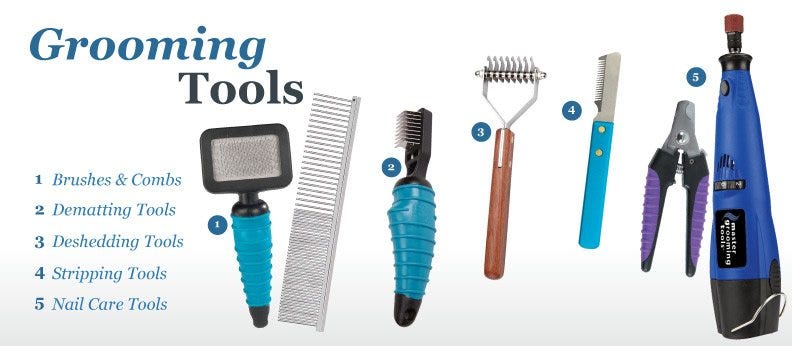
Essential tools and techniques for puppy cut maintenance
Daily Maintenance RoutineBrushing ScheduleFrequency: 5-10 minutes daily, preferably outdoors Best tools: Slicker brush (removes loose hair), metal comb (checks for mats), pin brush (finishing) 🌟 Pro Tip for Allergy SufferersAlways brush your dog outside or in a bathroom with the door closed. This prevents dander from spreading throughout your home. Wash your hands immediately after brushing. Bathing Schedule & Technique
Proper Bathing Technique
Professional Grooming Schedule
Additional Care
Puppy Cut vs Other Popular CutsUnderstanding how the puppy cut compares to other popular grooming styles helps you make the best decision for your dog's needs and your allergy management. 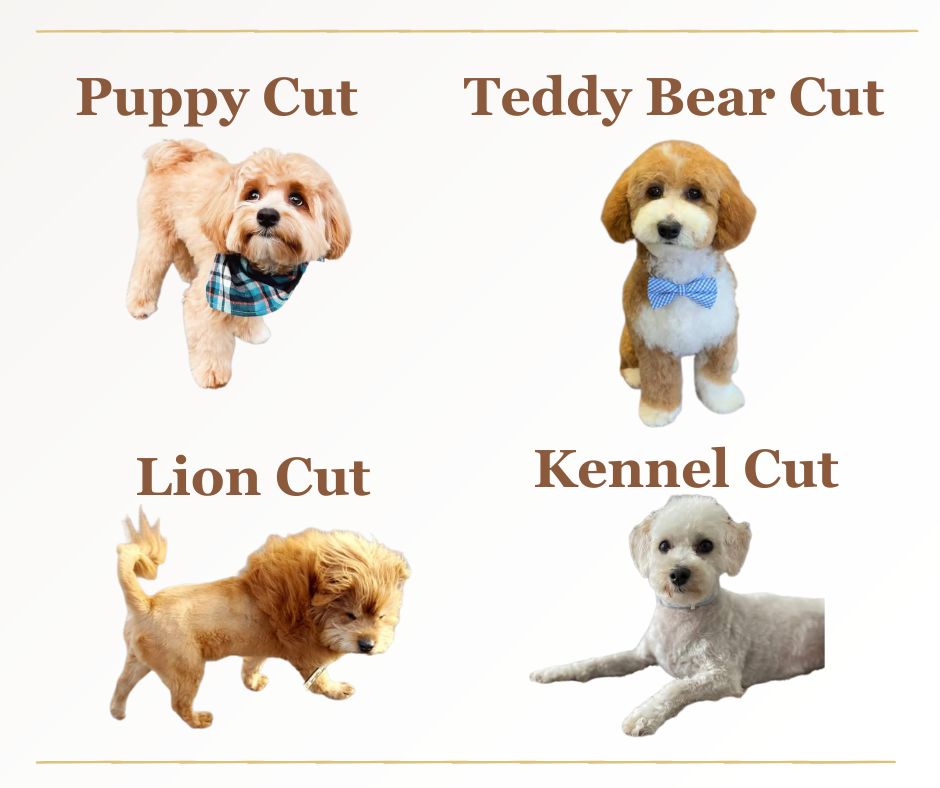
Visual comparison: Puppy cut, Teddy Bear, Lion cut, and Kennel cut
Puppy Cut vs Teddy Bear Cut
Winner for allergies: Puppy cut, due to shorter overall length and less face fluff that can trap allergens. Complete Style Comparison
🎯 Bottom LineThe puppy cut offers the best combination of allergen control, ease of maintenance, year-round comfort, and attractive appearance. For most hypoallergenic dog owners, the puppy cut is the optimal choice. DIY Puppy Cut at HomeWhile professional grooming is recommended, learning to maintain a basic puppy cut at home can be valuable for budget-conscious pet owners or those with severe allergies. ⚠️ Important DisclaimerDIY grooming requires patience and practice. Your first attempts may not look professional—that's normal! Consider starting with maintenance trims between professional grooms. Always prioritize your dog's safety over aesthetics. Essential ToolsMust-have equipment ($250-$600 initial investment):
Preparation Steps
Step-by-Step GuideStep 1: Body & Back (15-20 minutes)
Step 2: Legs (10-15 minutes per leg)
Step 3: Chest & Belly (10 minutes)
Step 4: Face & Head (15-20 minutes)Use scissors for safety:
🔒 Safety FirstIf your dog is nervous during face grooming, STOP. Consider leaving the face to professionals. A moving dog + scissors near eyes = serious injury risk. Step 5: Tail & Sanitary Areas (5-10 minutes)
Post-Grooming Cleanup
When to Call a Professional
Hybrid approach: Many owners do body clipping at home and have professionals handle face and finishing details. Cost of Puppy Cut GroomingUnderstanding the financial investment helps you budget appropriately and make informed decisions about professional vs. DIY grooming. Professional Grooming Costs
*Full service includes: bath, cut, nail trim, ear cleaning, anal gland expression Regional Variations
DIY Grooming Costs
Cost Comparison
💰 Money-Saving Tips
Frequently Asked Questions❓ What exactly does a puppy cut look like?A puppy cut creates a uniform, all-over length of approximately 1-2 inches throughout the dog's entire coat, including body, legs, and tail. The face is typically rounded into a soft, teddy bear appearance with fluffy cheeks. This style eliminates elaborate shaping and creates a natural, youthful look that mimics puppy fur. ❓ Is a puppy cut good for hypoallergenic dogs with allergies?Yes, absolutely! The puppy cut is one of the best grooming choices for allergy sufferers. The shorter, uniform length significantly reduces dander accumulation, makes bathing more effective at removing allergens, simplifies daily brushing, and prevents matting which can trap dander. Combined with regular grooming every 6-8 weeks, the puppy cut can reduce allergic reactions by 50-70% compared to longer coat styles. ❓ How often should I get a puppy cut for my dog?Most hypoallergenic breeds require a puppy cut refresh every 6-8 weeks to maintain the style and allergen control benefits. Fast-growing breeds like Poodles may need grooming closer to every 4-6 weeks, while slower-growing breeds can sometimes stretch to 8-10 weeks. For optimal allergy management, don't wait longer than 8 weeks between appointments. ❓ Can I give my dog a puppy cut at home?Yes, with the right tools, patience, and practice. You'll need quality clippers ($80-$200), guard combs, scissors, and supplies. Initial investment is $250-$600, which pays for itself after 4-6 professional grooms. Expect a learning curve—your first attempts won't look professional. Many owners do body clipping at home and have professionals handle the face for safety. ❓ Does a puppy cut reduce shedding?A puppy cut doesn't reduce shedding amount, but makes shed hair significantly less noticeable. Shorter hairs are smaller and less likely to spread allergens. For hypoallergenic breeds that shed minimally, the puppy cut ensures any shedding carries less dander per hair. Regular grooming (every 6-8 weeks) removes shed hair and dander before accumulating. ❓ Is a puppy cut suitable for summer weather?Yes, the puppy cut is excellent for warm weather! The 1-2 inch length protects skin from sunburn and insects while allowing good air circulation. Many owners opt for a slightly shorter version (1 inch) during peak summer. Avoid shaving completely bald—the coat provides important temperature regulation and UV protection. For light-colored or pink skin, ensure at least 1 inch remains. ❓ What's the difference between a puppy cut and a teddy bear cut?A puppy cut features uniform length (1-2 inches) all over with naturally rounded face. A teddy bear cut leaves coat slightly longer (1.5-3 inches) and creates more dramatically rounded, fluffy face with emphasis on full cheeks. Teddy bear requires more maintenance and accumulates slightly more allergens. For allergy sufferers, puppy cut is generally better. ❓ How much does a professional puppy cut cost?Professional puppy cut prices vary by size and location: Small dogs: $45-$90. Medium dogs: $55-$110. Large dogs: $75-$160. Prices are 30-50% higher in major cities and 20-30% lower in rural areas. Full service includes bath, cut, nail trim, ear cleaning. Expect annual costs of $520-$1,380 depending on dog size (grooming every 6-8 weeks). Final ThoughtsThe puppy cut represents the perfect balance between aesthetic appeal, practical maintenance, and allergen control for hypoallergenic dog breeds. This versatile grooming style offers numerous benefits that make life easier for both you and your canine companion. For allergy sufferers, the puppy cut's shorter, uniform length significantly reduces dander accumulation, makes bathing more effective, and simplifies daily maintenance. Combined with regular professional grooming every 6-8 weeks and consistent home care, the puppy cut can help reduce allergic reactions by 50-70%. Whether you choose professional grooming, DIY, or a hybrid approach, maintaining a puppy cut is an investment in your dog's comfort and your quality of life. With the right approach, your hypoallergenic dog can sport a beautiful puppy cut that keeps everyone happy, healthy, and comfortable year-round. Want to explore more grooming styles? Check out our guide on 12 Maltipoo Haircuts with Pictures or try our Maltipoo Haircut Style Finder! | ||||||||||||||||||||||||||||||||||||||||||||||||||||||||||||||||||||||||||||||||||||||||||||||||||||||||||||||||||||||||||||||||||||||||||||||||||||||||||||||||||||||||||||||||||||||||||||||||||
|
| ||||||||||||||||||||||||||||||||||||||||||||||||||||||||||||||||||||||||||||||||||||||||||||||||||||||||||||||||||||||||||||||||||||||||||||||||||||||||||||||||||||||||||||||||||||||||||||||||||
| Переглядів: 473 | | | ||||||||||||||||||||||||||||||||||||||||||||||||||||||||||||||||||||||||||||||||||||||||||||||||||||||||||||||||||||||||||||||||||||||||||||||||||||||||||||||||||||||||||||||||||||||||||||||||||

| Total comments: 0 | |