🐕 Are German Spitz Hypoallergenic? No, here's why
German Spitz showcasing their beautiful fluffy coat ⚡ Quick Answer: No, German Spitz are NOT considered hypoallergenic! German Spitz dogs have a thick double coat that sheds heavily, especially during seasonal changes. They produce significant amounts of dander, saliva proteins, and loose fur, all of which are common allergen triggers. While these charming companions make wonderful pets, they are not recommended for individuals with dog allergies.
🔬 What Makes a Dog Breed Hypoallergenic?Understanding what makes a dog hypoallergenic is essential before exploring specific breeds. The term "hypoallergenic" refers to dogs that are less likely to trigger allergic reactions in sensitive individuals, though no dog is completely allergen-free. 
Intelligent and alert German Spitz portrait Dog allergies are not caused by fur itself, but rather by proteins found in dander (dead skin cells), saliva, and urine. Hypoallergenic breeds typically share several characteristics that minimize allergen distribution. These dogs usually have low-shedding or non-shedding coats, which prevents loose fur and attached dander from spreading throughout the home. Additionally, they produce less dander overall and have predictable, hair-like coats rather than traditional fur that sheds seasonally. Popular hypoallergenic breeds include Poodles, Bichon Frises, Portuguese Water Dogs, and Maltese. These breeds require regular grooming to maintain their coats, but the trade-off is significantly fewer allergens in the living environment. 🐩 ↑ Back to Menu❌ Why German Spitz Are NOT HypoallergenicGerman Spitz dogs, while absolutely charming and wonderful companions, possess several characteristics that make them unsuitable for allergy sufferers. Understanding these factors can help potential owners make informed decisions. 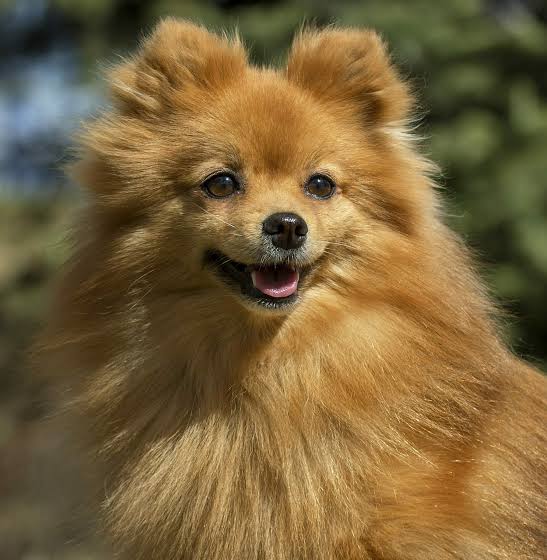
Close-up of German Spitz showing their fluffy facial features 🌨️ Heavy Shedding Double CoatThe German Spitz has a luxurious double coat consisting of a soft, dense undercoat and a longer, straight outer coat. This beautiful fur creates their characteristic fluffy appearance but comes with significant shedding. The breed experiences year-round shedding with two major seasonal "blowouts" during spring and fall when they shed their undercoat profusely. During these periods, owners can expect to find fur on furniture, clothing, and throughout the home. ❄️ 🦠 High Dander ProductionGerman Spitz dogs produce substantial amounts of dander, the primary allergen that triggers reactions in sensitive individuals. Their thick double coat traps and holds dander close to the skin, and when they shed, this dander becomes airborne and spreads throughout the environment. Regular brushing, while necessary, can actually release clouds of dander into the air, making it a challenging task for allergy sufferers. 💧 Saliva and Grooming HabitsLike all dogs, German Spitz produce allergenic proteins in their saliva. When they groom themselves, these proteins transfer to their fur and subsequently spread through shedding. The German Spitz's self-grooming habits combined with their affectionate nature (licking owners, toys, and household items) means allergens are constantly being distributed throughout the home. ⚠️ Important ConsiderationsGerman Spitz shed heavily year-round with intense seasonal periods. They produce high levels of dander that easily become airborne. Their grooming requirements can trigger allergy symptoms. They distribute saliva proteins through licking and self-grooming. However, their wonderful temperament and loyal nature make them exceptional companions for those without allergies! 🐾 🤧 Can Allergy Sufferers Live with German Spitz?
Energetic German Spitz enjoying playtime For individuals with mild to moderate dog allergies, living with a German Spitz presents significant challenges. However, it's not necessarily impossible for everyone. The severity of allergic reactions varies greatly from person to person, and some allergy sufferers find they can manage symptoms with proper precautions. Those with severe allergies should realistically consider other breeds or pets entirely. The German Spitz's high allergen production makes it one of the more challenging breeds for allergy management. However, individuals with very mild allergies who are deeply committed to the breed might be able to coexist with careful management strategies. 💊 🏠 Realistic ExpectationsIf you have allergies and are considering a German Spitz, understand that you'll likely experience some level of symptoms. These may include sneezing, itchy eyes, nasal congestion, or skin reactions. The question becomes whether these symptoms are manageable and acceptable to you. Success stories do exist, but they typically involve individuals with very mild allergies who implement rigorous cleaning routines and potentially use allergy medications. Before committing to a German Spitz, consider spending extended time around the breed. Visit breeders or friends who own German Spitz multiple times, in different seasons, to gauge your reaction. Pay attention to how you feel not just during visits, but in the hours and days afterward. This realistic assessment can prevent heartbreak later. ⏰ 🔍 Exploring Breed Options for Allergy-Sensitive Homes?Looking for the ideal breed that fits your lifestyle while accommodating allergies? Our comprehensive breed selector evaluates dozens of factors including allergen levels, grooming needs, size preferences, and activity requirements to recommend perfect matches. Get personalized breed recommendations based on your specific allergy sensitivity and lifestyle! 🔄 Hypoallergenic Alternatives to German SpitzIf you love the appearance, personality, or size of the German Spitz but need a more allergy-friendly option, several hypoallergenic breeds share similar characteristics. These alternatives offer comparable traits while producing significantly fewer allergens. 🌟 
Adorable German Spitz puppy with characteristic fluffy coat
*Size varies by variety: Klein (Small), Mittel (Medium), Gross (Giant) 🐕 Breed Recommendations by SimilarityFor Fluffy Appearance: The Bichon Frise most closely resembles the German Spitz's fluffy, cloud-like appearance. While their coat texture differs, the overall impression is similar, and they're genuinely hypoallergenic with minimal shedding. For Intelligence and Trainability: Miniature Poodles match the German Spitz's intelligence and eagerness to learn. They're highly trainable, alert watchdogs, and can be groomed in styles that create a fluffy, Spitz-like appearance. 🎓 For Companionship and Affection: The Havanese shares the German Spitz's devoted, affectionate nature and adaptability to various living situations. They form strong bonds with their families and thrive on companionship. 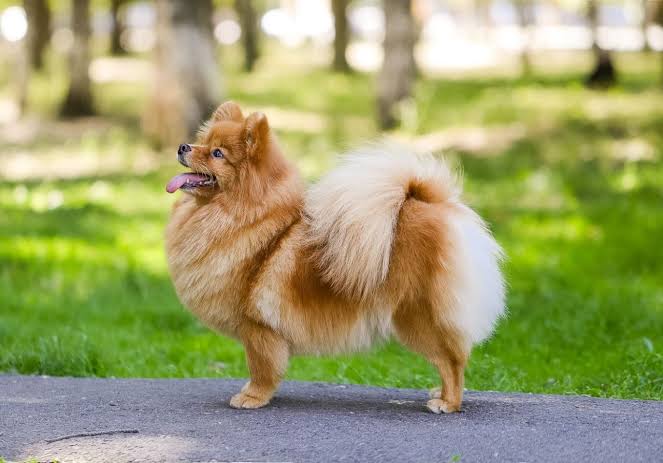
German Spitz enjoying outdoor activities 💡 Tips for Allergy Sufferers Who Choose German SpitzIf you've decided to proceed with adopting a German Spitz despite allergies, implementing comprehensive management strategies is essential. While these measures won't eliminate allergens entirely, they can significantly reduce exposure and potentially make coexistence more comfortable. 🏡 🧹 Home Environment ManagementInvest in high-quality air purification. HEPA air purifiers should run continuously in rooms where you spend the most time, particularly bedrooms. Position them strategically to maximize air circulation and capture airborne dander particles. Replace filters according to manufacturer recommendations, potentially more frequently during heavy shedding seasons. Establish dog-free zones. Your bedroom should be completely off-limits to your German Spitz. This creates a sanctuary where allergen levels remain lower, giving your immune system relief during sleep. Use door barriers consistently and vacuum the room regularly even without dog access, as allergens can travel on clothing. 🚪 Choose flooring wisely. Hard flooring surfaces like hardwood, tile, or laminate are preferable to carpeting, as they don't trap allergens. If you have carpets, consider replacing them or at least removing them from high-traffic areas. Area rugs that can be washed regularly provide a compromise solution. ✂️ Grooming and Maintenance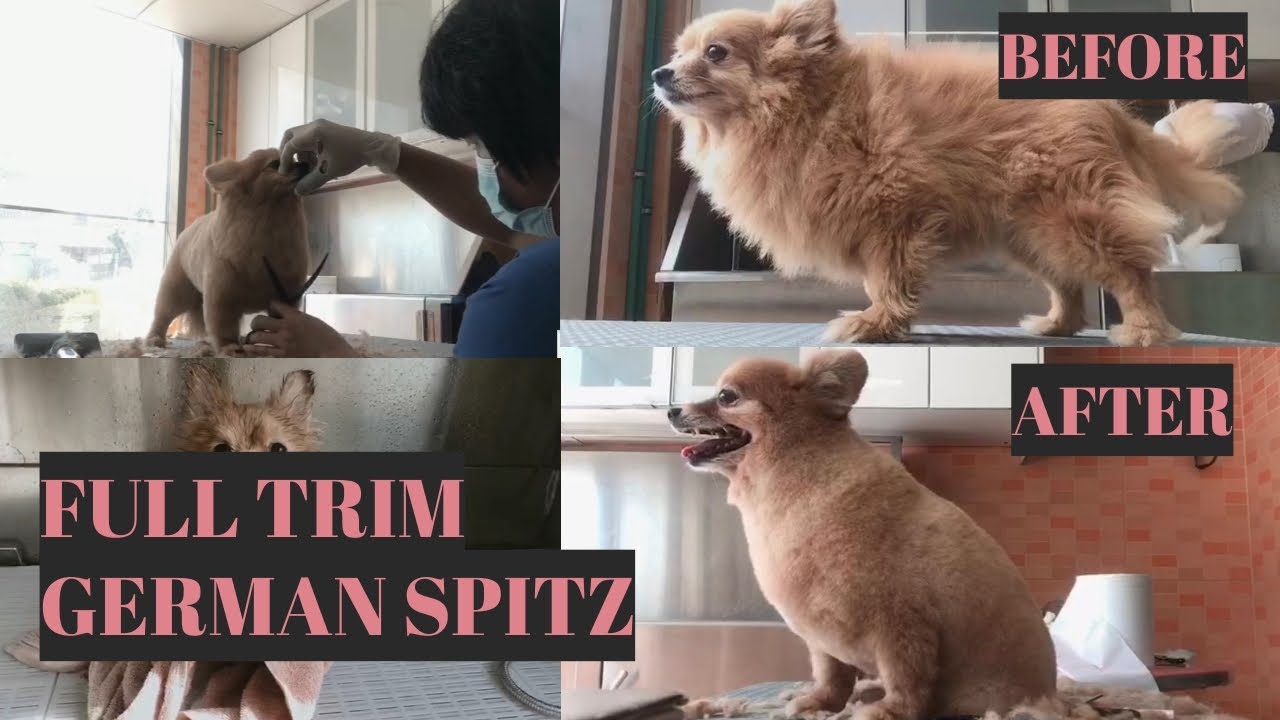
German Spitz grooming transformation - regular grooming is essential Professional grooming is essential. Have your German Spitz professionally groomed every 6-8 weeks, more frequently during shedding seasons. Professional groomers use specialized equipment and techniques that remove loose undercoat more effectively than home brushing. Request that the grooming take place outside your home to prevent allergen release in your living space. ✨ Bathe regularly with appropriate products. Bathing your German Spitz every 2-3 weeks can help reduce dander, but use dog-specific hypoallergenic shampoos to avoid skin irritation. Over-bathing can damage the coat's natural oils, so maintain a consistent but moderate schedule. If possible, have someone without allergies handle bathing duties outdoors or in a well-ventilated area. Daily brushing outdoors. Brush your German Spitz outside daily to remove loose fur and dander before they spread indoors. Have a non-allergic family member perform this task when possible. Use an undercoat rake during shedding seasons to effectively remove the dense undercoat. 🌳 🧼 Cleaning ProtocolsVacuum with HEPA filtration daily. Standard vacuums can actually redistribute allergens into the air. Invest in a high-quality vacuum with genuine HEPA filtration and use it daily on all surfaces, including furniture, curtains, and baseboards. Consider robot vacuums for continuous maintenance between deep cleaning sessions. Wash soft furnishings weekly. Dog bedding, your own bedding, throw blankets, and removable furniture covers should be laundered in hot water weekly. Use hypoallergenic, fragrance-free detergents to avoid additional irritants. Maintain multiple sets so washing doesn't leave you without essentials. Damp dust regularly. Use damp microfiber cloths rather than dry dusting, which simply moves allergens around. Pay attention to horizontal surfaces, windowsills, and any area where dander might settle. Wear a mask during cleaning if you're particularly sensitive. 🧤 💊 Medical ManagementConsult with an allergist about appropriate medications. Daily antihistamines, nasal corticosteroid sprays, or allergy immunotherapy (shots or sublingual tablets) might help manage symptoms. Some people find that allergy medications allow them to live comfortably with dogs they couldn't otherwise tolerate. Your allergist can create a personalized treatment plan based on your specific allergies and symptoms. ⚠️ Reality CheckEven with all these measures, living with a German Spitz as an allergy sufferer requires significant effort, expense, and commitment. Symptoms may persist despite your best efforts. Before adopting, honestly assess whether you can maintain these protocols long-term and whether the quality of life trade-off is acceptable. The German Spitz deserves a forever home, not a situation where allergies ultimately lead to rehoming. 💔 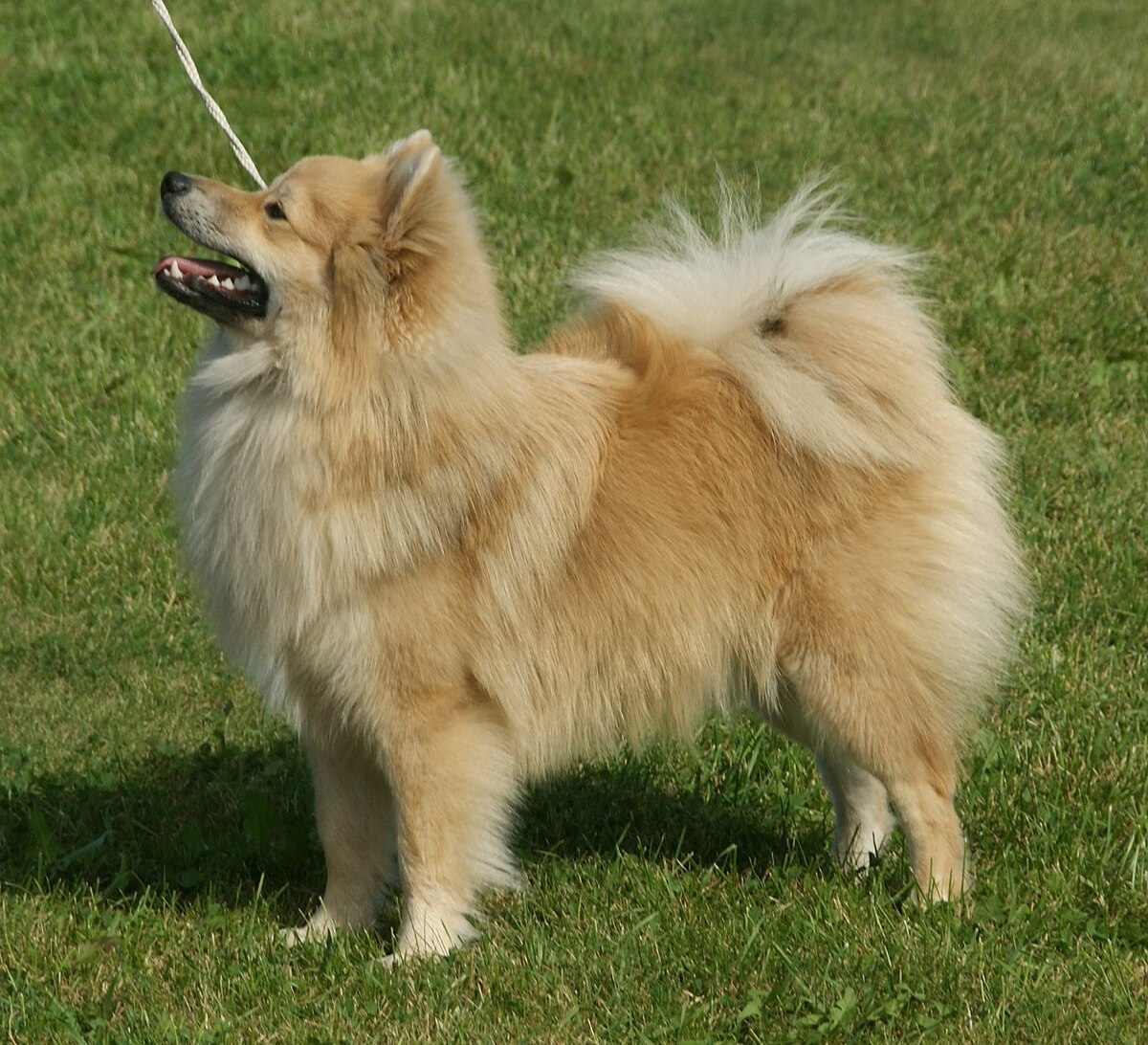
Beautiful Mittelspitz showcasing the cream sable coloration 🧪 Testing Before Adopting a German SpitzBefore committing to a German Spitz, thorough testing and extended exposure are crucial for allergy sufferers. This process helps prevent the heartbreaking situation of having to rehome a beloved pet due to unmanageable allergic reactions. 🔬 🏥 Medical TestingGet allergy tested by a certified allergist. Skin prick tests or blood tests (RAST/ImmunoCAP) can determine your specific sensitivities to dog allergens. These tests identify which proteins trigger your reactions, helping you understand the severity of your allergies. Some people are allergic to all dogs, while others react more strongly to specific breeds or even individual dogs. Understand your results. Allergy test results provide valuable information about the likely severity of reactions you'll experience. High levels of dog-specific IgE antibodies suggest you'll have significant symptoms, while lower levels might indicate manageable reactions. Discuss with your allergist whether living with a German Spitz is medically advisable given your results. 📊 🐾 Practical Exposure TestingSpend extended time with German Spitz. Visit German Spitz owners or breeders multiple times, ideally spending several hours in environments where the dogs live. Don't just have brief interactions at a breeder's outdoor facility; spend time in their homes where allergen concentrations are higher. Pay attention to your reactions during visits and, importantly, in the hours and days afterward, as delayed reactions are common. 
Happy German Spitz enjoying lakeside scenery Test during different seasons. Shedding varies seasonally for German Spitz, with spring and fall bringing heavy "blowouts." If you only visit during a low-shedding period, you won't understand the full allergen load you'll face. Test your reactions during peak shedding season for an accurate assessment. 🍂 Arrange a trial period if possible. Some breeders or rescue organizations allow trial adoptions or foster-to-adopt arrangements. This provides the most realistic assessment of whether you can manage living with a German Spitz long-term. A week or two in your own home reveals far more than brief visits elsewhere. 📝 Document Your ReactionsKeep a detailed journal of your symptoms during and after exposure to German Spitz. Note the severity of reactions (sneezing frequency, eye irritation level, breathing difficulties, skin reactions), timing of symptoms (immediate vs. delayed), and duration of symptoms. This documentation helps you and your healthcare provider make an informed decision about proceeding with adoption. 📖 ✅ Signs You Might Manage
❌ Warning Signs to Reconsider
❓ Frequently Asked Questions About German Spitz and AllergiesAre German Spitz considered hypoallergenic dogs? ▼No, German Spitz are definitely not hypoallergenic. They have a thick double coat that sheds heavily year-round with intense seasonal shedding periods. They produce significant amounts of dander, which is the primary trigger for dog allergies. Their constant shedding spreads allergens throughout the home, making them one of the more challenging breeds for allergy sufferers. How much do German Spitz shed? ▼German Spitz are heavy shedders. They shed moderately throughout the year and experience two major shedding seasons (spring and fall) when they "blow" their undercoat. During these periods, shedding increases dramatically, and owners can expect large amounts of loose fur throughout their home. Daily brushing is essential, and even then, managing the shedding requires considerable effort. 🌨️ Can I reduce allergens from my German Spitz? ▼While you cannot eliminate allergens from a German Spitz, you can reduce them through diligent management. Regular professional grooming every 6-8 weeks, daily outdoor brushing, bathing every 2-3 weeks with hypoallergenic shampoo, HEPA air purifiers, frequent vacuuming with HEPA filtration, establishing dog-free zones (especially bedrooms), and washing soft furnishings weekly can all help minimize allergen levels. However, these measures require significant time, effort, and expense, and symptoms may still persist for sensitive individuals. ✨ What are the best hypoallergenic alternatives to German Spitz? ▼Several hypoallergenic breeds share characteristics with German Spitz. Bichon Frise most closely resembles their fluffy appearance while being genuinely hypoallergenic. Miniature Poodles match their intelligence and alertness and can be groomed to achieve a fluffy look. Havanese share their affectionate, companion-oriented temperament. Coton de Tulear offer a similar size range with a fluffy white coat. All these breeds produce significantly fewer allergens than German Spitz while maintaining comparable personality traits. 🐩 Do German Spitz puppies produce fewer allergens than adults? ▼No, this is a common misconception. While German Spitz puppies may seem to produce fewer allergens simply because they're smaller and have less coat to shed, they still produce the allergenic proteins that trigger reactions. As puppies grow and develop their full double coat, allergen production actually increases. Some people mistakenly believe they can "get used to" their puppy's allergens, but allergies often worsen with continued exposure. Testing your reaction to adult German Spitz provides a more accurate assessment. 🐕 Are certain colors or sizes of German Spitz less allergenic? ▼No, coat color and size do not affect allergen production in German Spitz. Whether you choose a Klein (Small), Mittel (Medium), or Gross (Giant) variety in any color, they all produce the same allergenic proteins in their dander and saliva. Larger varieties may seem more problematic simply because they have more coat to shed, but smaller varieties are equally capable of triggering allergic reactions. The allergen levels are determined by the individual dog's biology, not their size or coloring. 🎨 Can allergy shots help me live with a German Spitz? ▼Allergen immunotherapy (allergy shots or sublingual tablets) can help some individuals better tolerate dog allergens, but results vary significantly. Treatment typically takes several months to years to become effective, and success is not guaranteed. Some people experience substantial improvement that allows them to live comfortably with dogs, while others see minimal benefit. Immunotherapy should never be started with the expectation that it will definitely allow you to keep a German Spitz. Consult an allergist to discuss whether you're a good candidate for immunotherapy and what realistic outcomes you can expect. 💉 Is it cruel to keep a German Spitz if I have allergies? ▼This depends entirely on your situation. If you can manage your allergies without impacting your quality of life or the dog's wellbeing, it's not inherently cruel. However, if your allergies lead to avoiding interaction with your dog, restricting their access to most of the home, or ultimately result in rehoming, this does harm the dog. German Spitz are companion breeds that thrive on close interaction with their families. Before adopting, honestly assess whether you can provide the companionship and living situation this breed needs while managing your allergies. If there's significant doubt, choosing a hypoallergenic breed is the kinder option for everyone involved. ❤️ 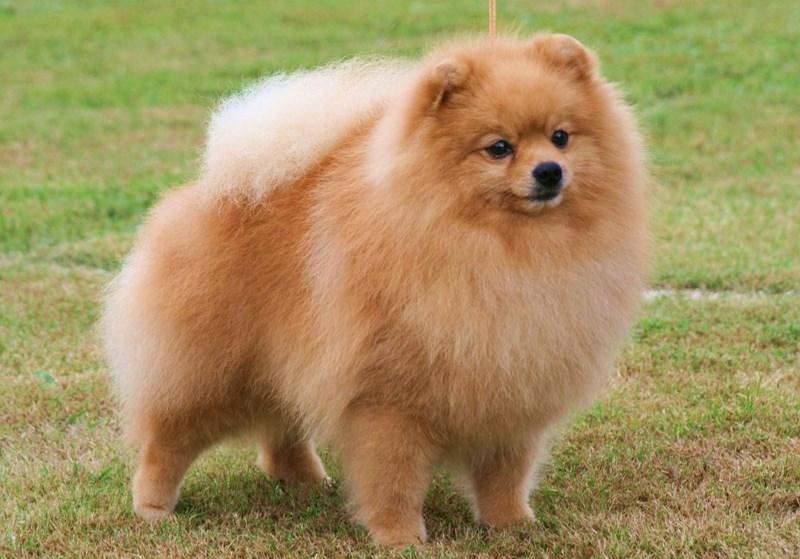
Majestic German Spitz in full glory outdoors 🎯 Final ThoughtsGerman Spitz are truly wonderful dogs with vibrant personalities, unwavering loyalty, and charming appearances. Their intelligence, alertness, and affectionate nature make them exceptional companions for the right families. However, their heavy shedding and high dander production make them unsuitable for households with dog allergies. 🐾 If you're drawn to the German Spitz's characteristics but struggle with allergies, exploring hypoallergenic alternatives can lead you to a breed that offers similar traits without the allergen challenges. Breeds like the Bichon Frise, Miniature Poodle, or Havanese provide comparable companionship while being genuinely hypoallergenic. For those without allergies who are considering a German Spitz, you're in for a delightful experience with a breed that combines beauty, brains, and boundless affection. Just be prepared for regular grooming commitments and the presence of fluffy tumbleweeds throughout your home! The German Spitz's wonderful temperament and devoted nature make every bit of effort worthwhile for those who can accommodate their needs. 💕 Remember, choosing a dog breed should be based on honest assessment of your health, lifestyle, and ability to meet the breed's requirements. Whether you ultimately decide on a German Spitz or explore hypoallergenic alternatives, the most important consideration is finding a companion that will thrive in your home and bring joy to your life for years to come. 🏡 | |||||||||||||||||||||||||||||||
|
| |||||||||||||||||||||||||||||||
| Переглядів: 350 | | | |||||||||||||||||||||||||||||||

| Total comments: 0 | |