🐕 Are German Shepherds Hypoallergenic? No, here's why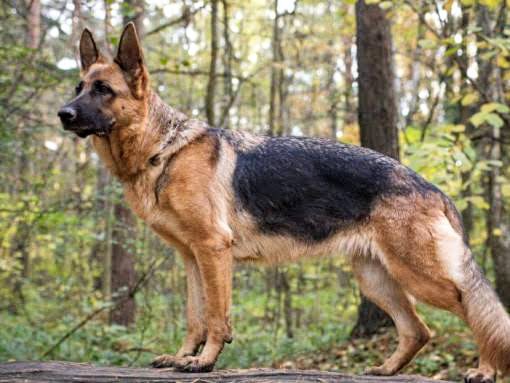
The noble German Shepherd - a magnificent breed beloved worldwide 🌲 ❌ Quick Answer: No, German Shepherds are NOT hypoallergenic! German Shepherds have a double coat that sheds heavily year-round, with particularly intense shedding during seasonal changes. They produce significant amounts of dander, saliva proteins, and shed fur - all major allergen triggers. Hypoallergenic rating: 1/10 - one of the least suitable breeds for allergy sufferers.
🔬 What Makes a Dog Breed Hypoallergenic?↑ Back to MenuBefore we discuss German Shepherds specifically, it's important to understand what "hypoallergenic" actually means in the context of dog breeds. The term can be somewhat misleading, as no dog breed is 100% hypoallergenic. However, certain breeds produce fewer allergens than others. 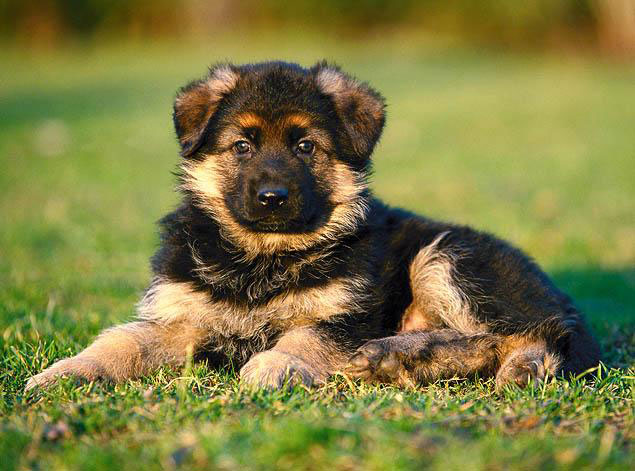
Even adorable German Shepherd puppies produce allergens from an early age 🐾 Dog allergies are triggered by proteins found in: 🔸 Dander (dead skin cells that flake off) 🔸 Saliva (spread through licking and grooming) 🔸 Urine (less common but still a trigger) 🔸 Sebaceous gland secretions (oils from the skin) Hypoallergenic breeds typically share these characteristics: ✅ Minimal shedding - less fur means less dander distribution ✅ Single coat - no dense undercoat to trap allergens ✅ Hair instead of fur - grows continuously like human hair ✅ Lower dander production - produces fewer allergenic proteins ✅ Regular grooming requirements - removes loose hair before it spreads ❌ Why German Shepherds Are NOT Hypoallergenic↑ Back to MenuGerman Shepherds possess virtually none of the characteristics that would make them suitable for allergy sufferers. Let's examine why this breed ranks so low on the hypoallergenic scale. 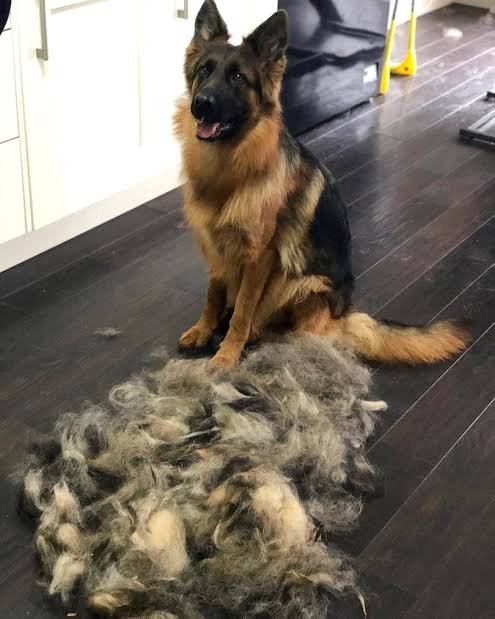
The reality of German Shepherd grooming - massive amounts of shed fur! 🌪️ 🐕 Double Coat StructureGerman Shepherds have a dense double coat consisting of a harsh outer coat and a soft, thick undercoat. This double-layered system is designed to protect them from harsh weather conditions, but it also means: • Twice the shedding - both layers shed regularly • More dander trapped in the dense undercoat • Greater allergen production from increased skin surface • Difficult to fully groom - allergens hide deep in the coat 🌪️ Heavy Shedding PatternGerman Shepherds are often affectionately called "German Shedders" by their owners, and for good reason. They shed year-round, with two major seasonal "blowouts" in spring and fall when they shed their undercoat. During these periods, you'll find fur everywhere - on furniture, clothes, floors, and floating in the air. ⚠️ Allergy Alert: The constant shedding means allergen-carrying fur is continuously distributed throughout your home, making it nearly impossible to create an allergen-free environment. 
Active German Shepherds spread allergens as they move and play 🏃 🧪 High Dander ProductionThe breed's active nature and large body size (55-90 lbs / 25-41 kg) mean more skin surface area producing dander. Combined with their dense coat, German Shepherds produce substantial amounts of allergenic proteins that become airborne and settle on surfaces throughout your home. 💧 Saliva and Self-GroomingGerman Shepherds groom themselves regularly, spreading saliva proteins (particularly Can f 1, the primary dog allergen) throughout their coat. When this fur sheds or when they lick you affectionately, these proteins are transferred, triggering allergic reactions. 📊 German Shepherd: Quick FactsHypoallergenic Rating: 1/10 ❌
Shedding Level: Very High 🌪️
Coat Type: Double Coat
Grooming Needs: High ✂️
Size: Large (55-90 lbs)
Dander Production: High 🤧
🤧 Can People with Allergies Own German Shepherds?↑ Back to Menu
Those soulful eyes are hard to resist, but allergy sufferers should think carefully 💭 The honest answer is: it depends on the severity of your allergies. For people with mild to moderate dog allergies, owning a German Shepherd will likely be challenging and uncomfortable. For those with severe allergies, it's generally not recommended. 🎯 Severity AssessmentMild Allergies (occasional sneezing, watery eyes): Moderate Allergies (frequent symptoms, need for medication): Severe Allergies (difficulty breathing, asthma triggers, hives): 💔 The Reality CheckMany people with allergies fall in love with German Shepherds for their intelligence, loyalty, and protective nature. However, it's crucial to make an informed decision rather than an emotional one. Consider that: • You'll be living with allergen exposure 24/7 • Your symptoms may worsen over time with constant exposure • Rehoming a dog due to allergies is heartbreaking for everyone • The dog deserves an owner who can fully enjoy their companionship without health compromise 
The majestic German Shepherd deserves a home where they can be fully enjoyed 🐺 🔍 Looking for the Right Hypoallergenic Match?If you love dogs but struggle with allergies, don't worry - there are many wonderful hypoallergenic breeds that might be perfect for you! Every person's allergy sensitivity is unique, and finding the right breed match requires considering multiple factors. Take our quick 2-minute quiz to find breeds that match your lifestyle and allergy needs! 🔄 Hypoallergenic Alternatives to German Shepherds↑ Back to MenuIf you're drawn to German Shepherds for their intelligence, trainability, loyalty, and protective instincts, there are several hypoallergenic breeds that offer similar qualities while being much more suitable for allergy sufferers. 
While German Shepherds are incomparable, alternatives exist for allergy sufferers 🔄 🐩 Best Hypoallergenic Alternatives
🎯 Matching German Shepherd QualitiesStandard Poodle is often the top recommendation for those seeking a German Shepherd alternative. Despite their sometimes-fancy appearance, Poodles were originally working dogs and possess remarkable intelligence (ranked #2 in trainability, with German Shepherds at #3). They're athletic, loyal, and can be trained for protection work, search and rescue, and various service roles - just like German Shepherds. 💡 Tips for German Shepherd Owners with Allergies↑ Back to MenuIf you already own a German Shepherd or are committed to getting one despite allergies, these strategies can help minimize allergen exposure and make cohabitation more manageable. However, understand that these are management techniques, not solutions - you will still be exposed to allergens. 
Outdoor playtime helps keep allergens outside! ⚽ ✂️ Grooming Strategies🔸 Daily brushing outdoors - brush your German Shepherd outside to prevent loose fur and dander from entering your home. Use an undercoat rake during shedding season. 🔸 Professional grooming - have a professional groomer bathe and de-shed your dog every 4-6 weeks. This removes loose undercoat more effectively than home grooming. 🔸 Bathing schedule - bathe your German Shepherd every 6-8 weeks with hypoallergenic shampoo to reduce dander. More frequent bathing can dry out their skin and actually increase dander production. 🔸 Never groom indoors - if you must groom at home, do it exclusively in a garage or outdoor area to contain allergens. 🏠 Home Environment Management🔸 HEPA air purifiers - place medical-grade HEPA purifiers in commonly used rooms, especially bedrooms. Run them continuously. 🔸 Bedroom sanctuary - make your bedroom a strict no-dog zone. This gives you 6-8 hours of reduced allergen exposure each night. 🔸 Hard flooring - replace carpets with hardwood, tile, or laminate. Carpets trap allergens and are difficult to clean thoroughly. 🔸 Washable surfaces - use washable slipcovers on furniture where your dog lounges. Wash weekly in hot water. 🔸 Regular vacuuming - vacuum daily with a HEPA-filter vacuum. Consider a robot vacuum for continuous maintenance. 🔸 Minimize fabric - reduce curtains, throw pillows, and other fabric items that collect and hold fur and dander. 
Even car interiors need regular cleaning to manage allergens! 🚗 💊 Medical Management🔸 Consult an allergist - work with an allergy specialist to develop a comprehensive management plan tailored to your specific allergies. 🔸 Daily antihistamines - take non-drowsy antihistamines proactively, not just when symptoms appear. 🔸 Nasal sprays - use corticosteroid nasal sprays as directed to reduce inflammation and symptoms. 🔸 Consider immunotherapy - allergy shots or sublingual tablets may help build tolerance over time, though results vary. 🔸 Keep rescue medications handy - always have emergency medications available, especially if you have asthma. 🧼 Personal Hygiene🔸 Wash hands frequently - especially after petting or playing with your dog. 🔸 Change clothes - change and wash clothes after extensive dog interaction. 🔸 Shower before bed - rinse allergens from your hair and skin before sleeping. 🔸 Avoid face contact - as difficult as it may be, avoid letting your German Shepherd lick your face. ⚠️ Important Reality Check: Even with all these measures, you will still experience allergy symptoms. These strategies reduce exposure but cannot eliminate it. Be prepared for ongoing discomfort and medical expenses. 🧪 Testing Before Adopting a German Shepherd↑ Back to MenuIf you have allergies but are seriously considering a German Shepherd, it's essential to test your reaction before making a commitment. Here's a responsible approach to determining compatibility. 
Spend quality time with German Shepherds before committing 🌻 🏥 Medical TestingStep 1: Allergist Consultation 🐕 Real-World Exposure Testing🔸 Visit German Shepherd owners - spend several hours in homes with German Shepherds. This gives you realistic exposure to the allergen levels you'd experience. 🔸 Multiple visits - one visit isn't enough. Visit several times over different seasons to experience varying shed cycles. 🔸 Extended interaction - don't just observe from across the room. Pet the dogs, play with them, and let them interact with you closely. 🔸 Volunteer at shelters - volunteer at animal shelters with German Shepherds. This provides extended exposure and helps you gauge long-term tolerance. 🔸 Foster first - if possible, foster a German Shepherd before adopting. A trial period of 2-4 weeks will reveal whether you can manage daily exposure. 📊 Document Your ReactionsKeep a detailed journal during testing: • Symptoms experienced and their severity • Time of onset after exposure • Duration of symptoms • Medications needed and their effectiveness • Impact on daily activities and sleep quality 🚨 Red Flags - Do NOT Proceed if you experience: 💭 The Honest ConversationBefore finalizing your decision, ask yourself: ✓ Can I handle these symptoms every single day for 10-12 years? These questions aren't meant to discourage you, but to ensure you're making a fully informed, responsible decision that considers both your health and the welfare of the dog you'll be committing to. 
German Shepherds are magnificent companions - ensure you can fully enjoy their company! ❄️ ❓ Frequently Asked Questions↑ Back to MenuWhile some breeders market "hypoallergenic" German Shepherd mixes (commonly mixed with Poodles), there's no guarantee these crosses will be hypoallergenic. Genetics are unpredictable in mixed breeds - a puppy might inherit the German Shepherd's heavy shedding rather than the Poodle's non-shedding coat. Additionally, dander production varies by individual, not just coat type. If you're considering a mix, spend extensive time with the specific dog (not just the parents) to assess your reaction before committing. Unfortunately, the opposite is more common. While some people report building slight tolerance, many allergy sufferers experience worsening symptoms with continuous exposure. Constant allergen exposure can lead to chronic inflammation, making you more reactive over time. Some people develop additional sensitivities or asthma-like symptoms they didn't initially have. The temporary improvement some people notice during the first few weeks is often due to aggressive antihistamine use, not true adaptation. Don't count on your allergies improving - plan for them to remain the same or worsen. German Shepherds are among the heaviest shedders of all dog breeds. They shed year-round with two major "blowouts" in spring and fall when they shed their entire undercoat. During peak shedding season, you can brush out enough fur daily to fill a grocery bag. Compared to low-shedding breeds like Poodles or Bichon Frises (which shed minimally), German Shepherds produce roughly 50-100 times more loose fur. Even compared to other double-coated breeds, German Shepherds are notorious for excessive shedding. The breed nickname "German Shedder" exists for good reason! Allergy immunotherapy (shots or sublingual tablets) can help some people build tolerance to dog allergens, but results are highly individual and never guaranteed. The treatment typically takes 3-5 years to reach maximum effectiveness and requires consistent, ongoing commitment. Success rates vary, with some people experiencing significant relief while others see minimal improvement. Importantly, immunotherapy works best for mild to moderate allergies - it's less effective for severe reactions. You should never get a German Shepherd banking on immunotherapy success. Instead, start treatment first, wait to see results after 1-2 years, then consider dog ownership only if you've achieved substantial improvement. No, coat length doesn't significantly affect allergen production. Both short and long-haired German Shepherds have the same double-coat structure and shed heavily. The primary allergen (Can f 1 protein) comes from skin dander and saliva, not the hair itself. Hair primarily serves as a vehicle for spreading allergens throughout your environment. While short-haired varieties might appear to shed less, they still shed constantly and produce the same amount of dander. Some people even report that short-haired German Shepherds are worse for allergies because the shorter hairs become airborne more easily and penetrate fabrics more deeply. There's no definitive percentage, but very few people with genuine dog allergies can comfortably live with German Shepherds. Anecdotal evidence from allergists and breed experts suggests that less than 10% of people with moderate dog allergies can successfully manage living with this breed long-term, and this requires significant medical intervention and lifestyle modifications. People with severe allergies have virtually no chance of comfortable cohabitation. The German Shepherd's combination of heavy shedding, high dander production, and large size makes them one of the most challenging breeds for allergy sufferers. If you have any level of dog allergies, a German Shepherd should be your last choice, not your first. While outdoor housing reduces indoor allergen levels, it's not a solution and raises serious welfare concerns. German Shepherds are highly social, people-oriented dogs that suffer emotionally and psychologically when isolated from their family. Keeping them primarily outdoors can lead to behavioral problems, anxiety, and depression. Moreover, you'll still be exposed to allergens during any interaction - training, feeding, grooming, playing, and veterinary care. Allergens will also travel indoors on your clothing. If your allergies are so severe that you're considering outdoor-only housing, a German Shepherd is simply not the right breed for you. These dogs deserve to be full family members, not yard ornaments. 🎯 Final Thoughts: Making the Right DecisionGerman Shepherds are extraordinary dogs - intelligent, loyal, protective, and deeply bonded to their families. Their working ability, trainability, and noble appearance make them one of the world's most beloved breeds. It's completely understandable why someone with allergies might be drawn to them despite the challenges. 🐾 However, the reality is undeniable: German Shepherds are one of the least suitable breeds for people with dog allergies. Their heavy year-round shedding, double coat, and high dander production create an allergen-rich environment that no amount of cleaning or medication can fully control. If you have allergies and love German Shepherd traits, consider these alternatives: ✅ Standard Poodle - matches intelligence and trainability The goal isn't to discourage you from dog ownership, but to guide you toward a compatible match that allows you to fully enjoy your companion without compromising your health. Both you and your future dog deserve a relationship free from the stress of managing severe allergies. If you already own a German Shepherd and have developed allergies, work closely with an allergist and veterinarian to develop a comprehensive management plan. But if you're still in the decision-making phase, please explore hypoallergenic alternatives that can offer you similar qualities without the health challenges. 💚 Remember: the right dog isn't just one you love, but one who allows you to breathe easy while loving them back. | ||||||||||||||||||||||||||||||||||||
|
| ||||||||||||||||||||||||||||||||||||
| Переглядів: 615 | | | ||||||||||||||||||||||||||||||||||||

| Total comments: 0 | |