🐶 Barbet Hypoallergenic Guide ✅: Character, Grooming & Suitability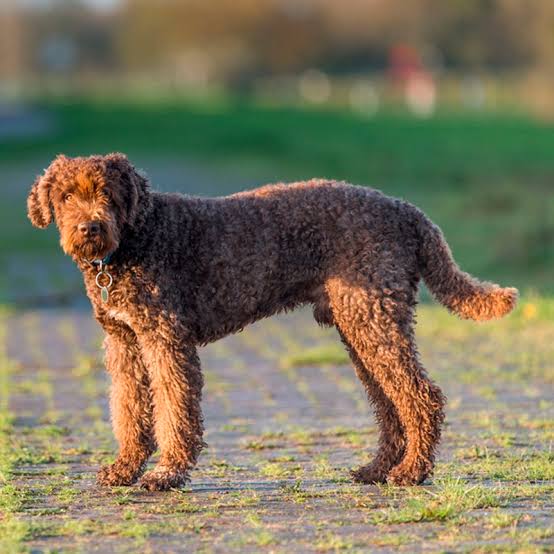
The Barbet is a rare French water dog with a distinctive curly, hypoallergenic coat
🟢 Hypoallergenic Level: HIGH - Excellent choice for allergy sufferers
🏷️ Key CharacteristicsBasic InformationSize: Medium to Large
Weight: 35-65 lbs (16-29 kg)
Height: 19-24.5 inches (48-62 cm)
Lifespan: 12-15 years
Activity Level: High
Grooming Difficulty: Moderate to High
Hypoallergenic: Yes ✅
Shedding: Minimal
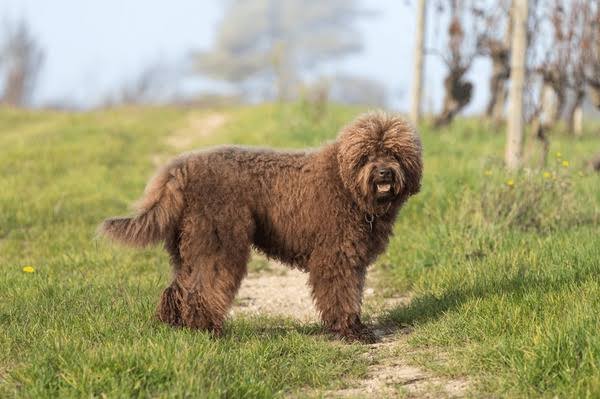
Barbets come in various colors including brown, black, gray, fawn, and white
🏛️ Origin & HistoryAncient French Water DogThe Barbet is one of the oldest European water dog breeds, with a history dating back to at least the 16th century in France. The name "Barbet" derives from the French word "barbe," meaning beard, which perfectly describes this breed's distinctive facial hair. Historical records and artwork from the Renaissance period depict dogs remarkably similar to the modern Barbet, indicating the breed's long-standing presence in European culture. 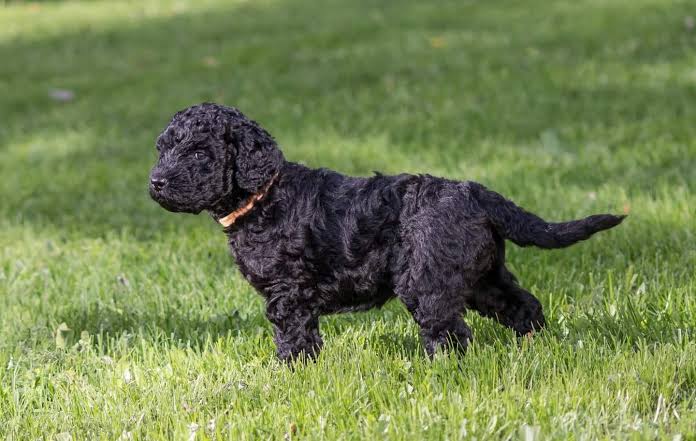
Barbet puppies are adorable and begin showing their characteristic curly coat early
Originally bred as a waterfowl retriever, the Barbet was highly valued by French nobility and commoners alike for its exceptional swimming abilities and tireless work ethic. These dogs worked alongside hunters in marshes, rivers, and lakes throughout France, retrieving game birds in cold and challenging conditions. Their waterproof coat and webbed feet made them perfectly suited for this demanding work. The breed's intelligence and trainability also made them popular as all-purpose farm dogs and loyal companions. Near Extinction and Modern RevivalDespite its historical significance, the Barbet nearly faced extinction during the World Wars, as many breeding programs were disrupted and resources became scarce. By the mid-20th century, only a handful of purebred Barbets remained. Thanks to the dedicated efforts of breed enthusiasts in France and later around the world, the Barbet has experienced a remarkable revival. The breed was officially recognized by the American Kennel Club (AKC) in 2020, marking a significant milestone in its modern history. Today, while still relatively rare, the Barbet is gaining popularity as both a working dog and a family companion, particularly among those seeking hypoallergenic breeds with sporting abilities. 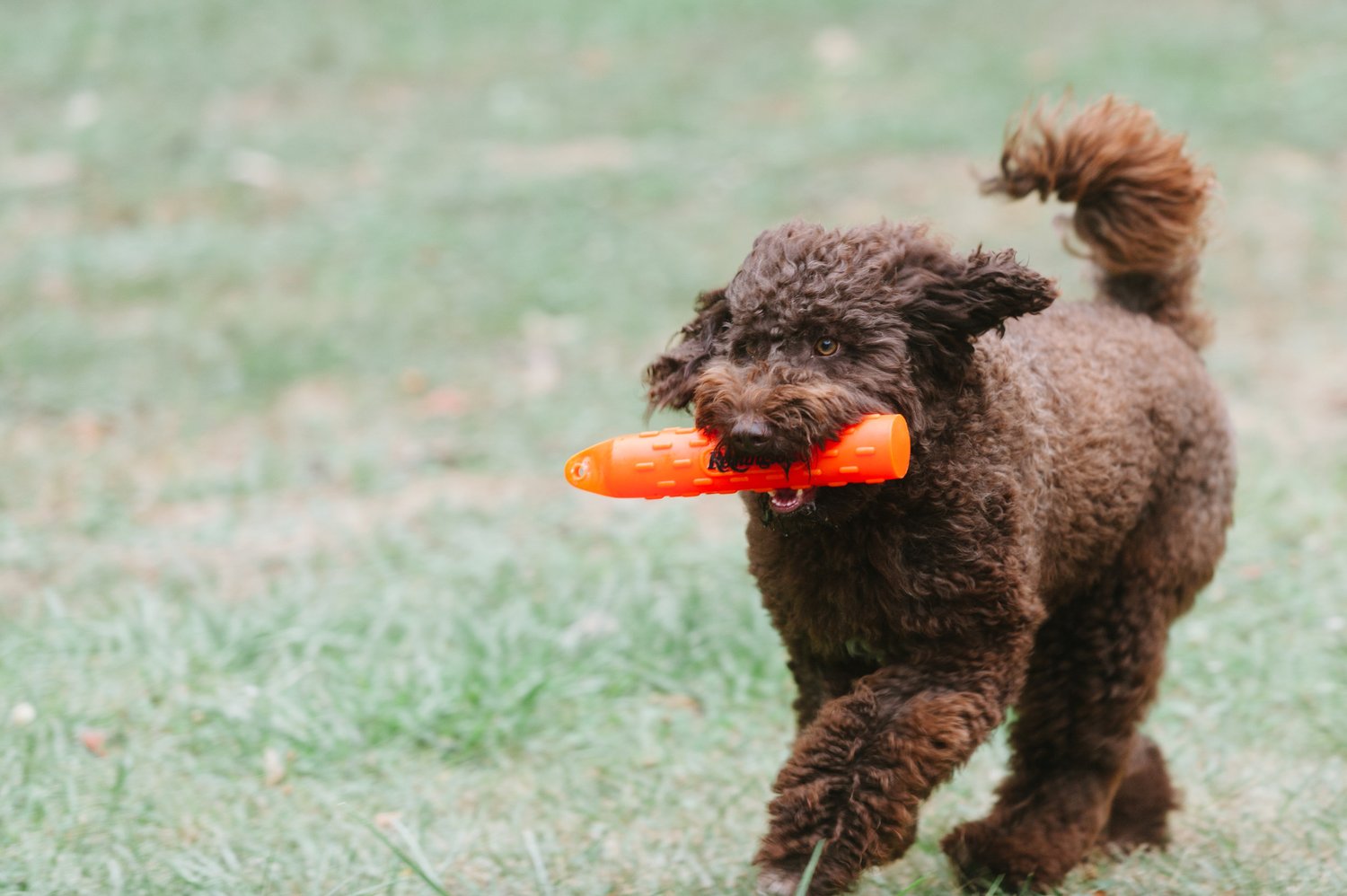
These energetic dogs require at least 60-90 minutes of daily exercise and love active play
💕 Character & TemperamentThe Barbet is renowned for its friendly, joyful, and affectionate nature. These dogs form strong bonds with their families and thrive on companionship and interaction. They are known for being exceptionally gentle and patient, making them wonderful family pets. Their intelligence and eagerness to please make them highly trainable, though they can occasionally display a stubborn streak that requires consistent, positive reinforcement training methods. 🌟 Temperament HighlightsFriendly • Playful • Intelligent • Loyal • Gentle • Social Barbets are naturally sociable dogs that generally get along well with children, other dogs, and even cats when properly socialized. Their playful nature remains well into adulthood, and they particularly love water-based activities. Swimming is not just an activity for Barbets—it's in their DNA. They have an innate love of water and will happily jump into any body of water they encounter. This breed is not suited for those seeking a calm, sedentary companion, as they require significant mental and physical stimulation to remain happy and well-behaved. While generally not aggressive or overly territorial, Barbets make excellent watchdogs due to their alertness and tendency to bark when something seems amiss. However, their friendly nature means they are more likely to greet intruders with enthusiasm than aggression. These dogs do not tolerate being left alone for extended periods and may develop separation anxiety if not properly acclimated to alone time. They truly are "people dogs" who want to be involved in all family activities. 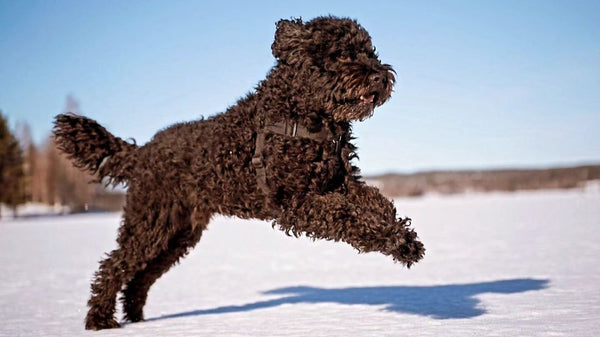
Barbets adapt well to various climates thanks to their weather-resistant double coat
👀 Physical AppearanceThe Barbet is a medium to large-sized dog with a distinctive, rustic appearance characterized by its thick, curly coat. The breed has a sturdy, well-proportioned build that reflects its working heritage. Males typically stand between 21-24.5 inches (53-62 cm) at the shoulder, while females are slightly smaller at 19-23 inches (48-58 cm). Their body is slightly longer than it is tall, giving them a rectangular profile that's built for endurance rather than speed. 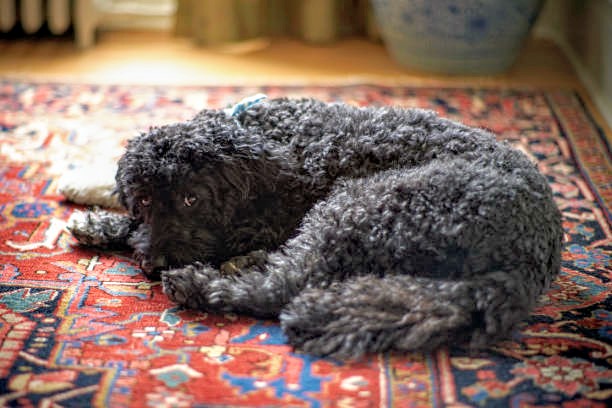
Despite their size, Barbets can adapt to indoor living with adequate exercise

The characteristic beard and facial hair give the Barbet its distinctive appearance
The most striking feature of the Barbet is its thick, curly coat that covers the entire body, including the face, giving them their characteristic bearded appearance. The coat is dense and woolly, providing excellent protection against cold water and harsh weather. This unique coat is what makes the breed hypoallergenic, as it sheds minimally and traps dander within the curls rather than releasing it into the environment. The coat can come in various solid colors or combinations, including black, brown, fawn, gray, and white, though solid colors are preferred in breed standards. Their webbed feet are another distinctive feature, perfectly adapted for their original purpose as water retrievers. The Barbet's overall appearance is one of a rugged, athletic dog that's built for function rather than fashion, yet their shaggy coat and expressive eyes give them an undeniably charming and approachable look. 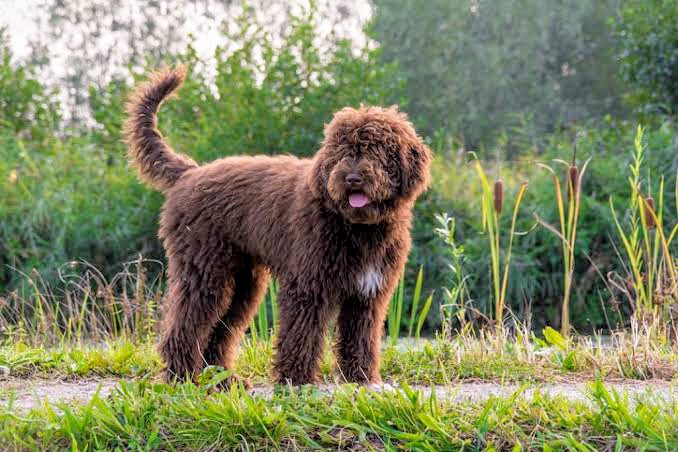
Barbets have a sturdy, well-proportioned build reflecting their working dog heritage
🏃 Activity NeedsThe Barbet is a high-energy breed that requires substantial daily exercise to maintain physical and mental health. These dogs were bred to work all day in demanding conditions, and that stamina is still present in modern Barbets. Prospective owners should be prepared to provide at least 60-90 minutes of vigorous exercise daily, divided into multiple sessions. ⚡ Daily Exercise RequirementsMinimum 60-90 minutes of vigorous activity Ideal activities: Swimming, retrieving, hiking, agility training
Swimming deserves special mention as it's not just an activity for Barbets—it's a passion. Access to water for swimming is highly recommended for anyone considering this breed. Whether it's a lake, river, beach, or even a backyard pool, Barbets will be in their element. Water-based activities provide excellent low-impact exercise that's easy on joints while still being physically demanding. Beyond physical exercise, Barbets require mental stimulation to prevent boredom and destructive behaviors. Puzzle toys, training sessions, scent work, and interactive games should be incorporated into their daily routine. These intelligent dogs excel at dog sports such as agility, dock diving, obedience trials, and hunt tests. Without adequate physical and mental stimulation, Barbets may become anxious, destructive, or develop problematic behaviors such as excessive barking or digging. ✂️ Grooming CareThe Barbet's distinctive curly coat requires regular and dedicated grooming to keep it healthy and prevent matting. While the minimal shedding makes this breed excellent for allergy sufferers, the trade-off is a higher grooming commitment compared to many other breeds. Understanding and maintaining proper grooming practices is essential for any Barbet owner. 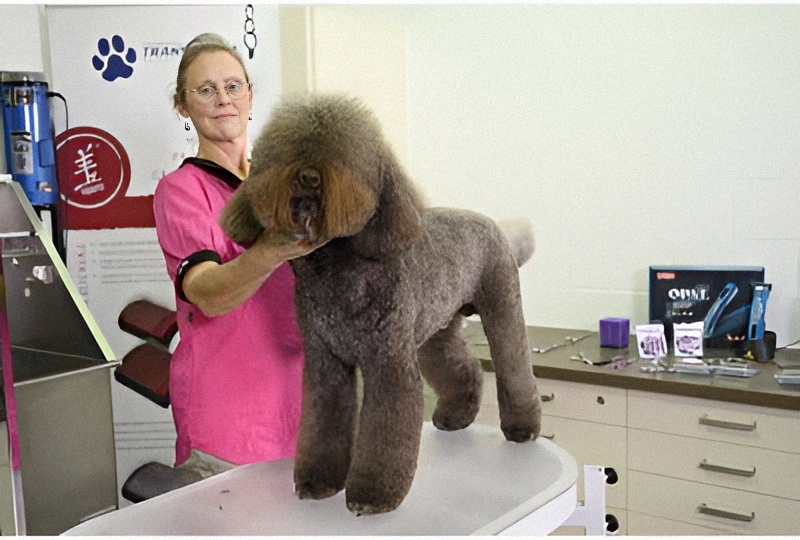
Barbets require regular grooming every 6-8 weeks to maintain their thick curly coat
Coat Care EssentialsBrushing is the most important aspect of Barbet grooming. The coat should be thoroughly brushed at least three to four times per week using a slicker brush and metal comb. Work systematically through the coat, paying special attention to areas prone to matting such as behind the ears, under the legs, and around the collar area. Never brush a dry coat—lightly mist with water or a conditioning spray to prevent hair breakage. Professional grooming every six to eight weeks is recommended to maintain the coat's shape and manage length. Many owners choose to keep their Barbets in a shorter "puppy cut" or "working trim" for easier maintenance, especially if the dog is active in water and outdoor activities. Show dogs are kept in longer, fuller coats that require even more intensive care. The beard and facial furnishings require daily wiping after meals to prevent food accumulation and staining. Special ConsiderationsAfter swimming—which Barbets do frequently—it's important to thoroughly rinse the coat to remove chlorine, salt, or lake debris. The dense coat can hold moisture, so proper drying is essential to prevent skin issues and musty odors. Ear care is particularly important for Barbets due to their long, hanging ears covered in thick hair. Check and clean ears weekly, and ensure they're thoroughly dried after water activities to prevent infections. 🍽️ Nutrition NeedsAs an active, medium to large-sized breed, the Barbet requires high-quality nutrition that supports their energy levels and maintains their unique coat. Proper nutrition is essential for their overall health, longevity, and coat quality. The specific nutritional needs will vary based on age, activity level, and individual metabolism.
Choose a high-quality dog food formulated for medium to large breeds with moderate to high activity levels. Look for foods where meat is the first ingredient, and avoid foods with excessive fillers, artificial colors, or preservatives. Protein content should be around 25-30% for adults and 28-32% for puppies to support muscle development and energy needs. 🥗 Nutritional PrioritiesHigh-quality protein • Omega-3 fatty acids for coat health • Glucosamine for joint support • Balanced calories for active lifestyle Omega-3 and omega-6 fatty acids are particularly important for maintaining the Barbet's distinctive coat. These can be found in fish-based foods or added as supplements like salmon oil. Fresh, clean water must be available at all times, especially important for this water-loving breed that may be more active than average dogs. Monitor your Barbet's weight carefully, as obesity can develop even in active dogs if portion sizes aren't controlled. You should be able to feel their ribs with light pressure but not see them prominently. Treats should make up no more than 10% of daily caloric intake. Because Barbets are prone to bloat (gastric dilatation-volvulus), avoid feeding immediately before or after vigorous exercise, and consider using a slow-feed bowl to prevent rapid eating. 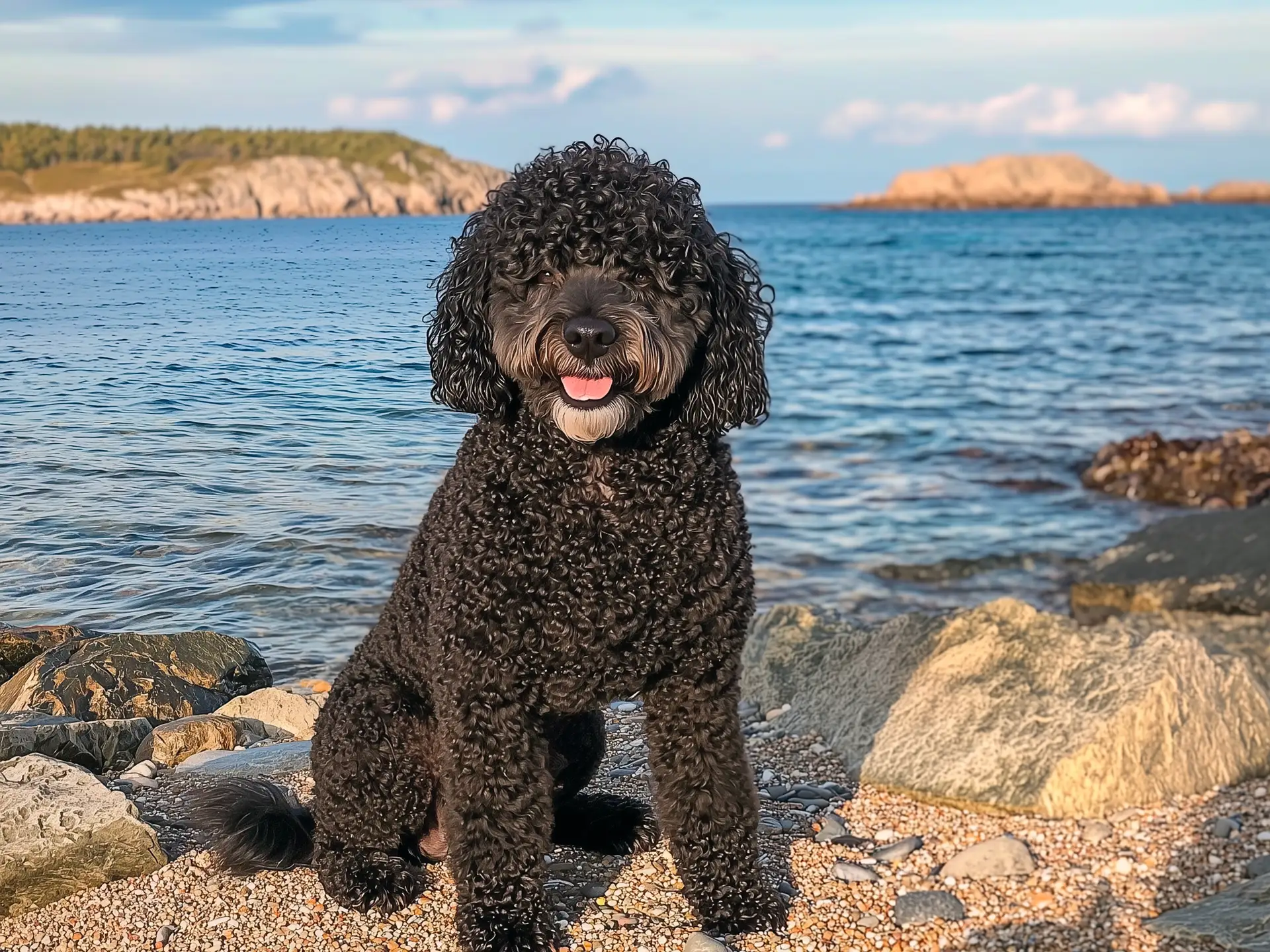
Swimming is in the Barbet's DNA - they are natural water dogs who love aquatic activities
👨👩👧👦 Suitable ForFamilies with ChildrenThe Barbet is excellent with children and makes a wonderful family companion. Their gentle, patient nature combined with their playful energy level makes them ideal playmates for kids of all ages. They are sturdy enough to handle the sometimes rough play of young children, yet gentle enough to be trusted around toddlers. Barbets seem to have an intuitive understanding of how to behave around children and often become protective and devoted family guardians. However, as with any dog, supervision is important, and children should be taught proper dog interaction etiquette. Apartment LivingApartment living is possible but challenging for Barbets. While they can adapt to apartment life if their substantial exercise needs are met, they are not ideal for small living spaces. Their size, energy level, and need for activity make them better suited to homes with yards. If living in an apartment, owners must commit to multiple daily outings for exercise, including trips to dog parks or other areas where the dog can run freely. Access to swimming areas is highly beneficial. Barbets may also be vocal, which could be problematic in close-quarter living situations.
First-Time vs. Experienced OwnersBarbets can be suitable for first-time dog owners who are committed, active, and willing to invest time in training and grooming. Their eager-to-please nature and intelligence make them relatively easy to train compared to some breeds. However, their high energy levels, grooming requirements, and need for consistent exercise and mental stimulation mean they're not the easiest choice for a first dog. Ideal owners for Barbets are: Active individuals or families who enjoy outdoor activities, particularly water sports; people with time for regular grooming and training; those seeking a friendly, social dog that gets along with everyone; owners who can provide plenty of exercise and mental stimulation; families with children looking for a gentle, playful companion; allergy sufferers needing a hypoallergenic breed that's still active and athletic. Not recommended for: Sedentary individuals or those away from home for long periods; people unwilling to commit to regular grooming; first-time owners unprepared for high energy levels; those seeking a low-maintenance or independent dog; individuals unable to provide daily vigorous exercise. 🔍 Discover Your Ideal Hypoallergenic MatchWondering if the Barbet is the perfect fit for your family? Our interactive breed selector analyzes your lifestyle, living situation, and allergy sensitivity to recommend the best hypoallergenic breeds for you. Get personalized breed recommendations in under 2 minutes! ⚖️ Pros & Cons✅ Advantages
❌ Disadvantages
❓ Frequently Asked QuestionsAre Barbets truly hypoallergenic?Yes, Barbets are considered highly hypoallergenic dogs. While no dog is 100% hypoallergenic, Barbets produce minimal dander and shed very little. Their curly coat traps dander and dead hair within the curls rather than releasing it into the environment. This makes them an excellent choice for people with dog allergies. However, individuals with severe allergies should spend time with the breed before committing to ensure they don't have reactions. How much does a Barbet puppy cost?Barbet puppies from reputable breeders typically cost between $2,000 and $3,500, with some exceptional bloodlines commanding even higher prices. The breed's rarity contributes to the higher cost. Additionally, prospective owners should expect waiting lists of 6-12 months or longer. It's crucial to work with reputable breeders who perform health testing and provide proper socialization for puppies. Do Barbets bark a lot?Barbets can be moderately vocal dogs. They will bark to alert their owners of visitors or unusual activities, making them good watchdogs. However, excessive barking is not typical of the breed when properly exercised and trained. Boredom and insufficient exercise are common causes of problem barking in Barbets. With proper training, socialization, and adequate mental and physical stimulation, barking can be managed effectively. Can Barbets live in hot climates?Yes, Barbets can adapt to warmer climates, though their thick coat was originally developed for cold, wet conditions. In hot weather, owners should provide plenty of shade, fresh water, and limit exercise during the hottest parts of the day. Many owners keep their Barbets in shorter clips during summer months to help them stay cool. Access to swimming areas is particularly beneficial in hot climates, as these water-loving dogs will happily cool off with a swim. How often should I groom my Barbet?Barbets require brushing 3-4 times per week minimum to prevent matting and maintain coat health. Professional grooming should be done every 6-8 weeks. Daily maintenance includes wiping the beard after meals and checking for debris after outdoor activities. After swimming, the coat should be rinsed and dried thoroughly. While this level of grooming requires commitment, it's essential for keeping your Barbet comfortable and healthy. Are Barbets good with other pets?Yes, Barbets are generally very good with other pets when properly socialized. Their friendly, non-aggressive nature makes them excellent companions for other dogs. They can also coexist peacefully with cats, especially if raised together from puppyhood. However, their hunting heritage means they may chase small animals like rabbits or squirrels outdoors. Early socialization and training help ensure positive relationships with all household pets. Do Barbets need access to water for swimming?While not absolutely essential, access to water for swimming is highly recommended for Barbets. Swimming is in their DNA, and they derive immense joy and satisfaction from water activities. Regular swimming provides excellent exercise that's easy on joints while meeting their physical and mental needs. Many Barbet owners find that their dogs are happiest and best-behaved when they have regular opportunities to swim. If natural water access isn't available, many owners use backyard pools or make regular trips to dog-friendly beaches or lakes. What health problems are common in Barbets?Barbets are generally a healthy breed with fewer genetic issues than many purebreds, partly due to their limited gene pool and careful breeding practices. However, potential health concerns include hip dysplasia, epilepsy, hernias, and ear infections (due to their long, floppy ears). Responsible breeders perform health testing for hip dysplasia and eye conditions. With proper care, regular veterinary check-ups, and maintaining a healthy weight, Barbets typically enjoy long, healthy lives of 12-15 years. The Barbet is a wonderful hypoallergenic breed that combines athleticism, intelligence, and a loving nature. With proper care, training, and exercise, these water-loving dogs make exceptional family companions for active households. | |||||||||||||||||||||||||||||||||||||||||||||||||||||||||||||||||||||||||||||||||||||||||||||||||||||
|
| |||||||||||||||||||||||||||||||||||||||||||||||||||||||||||||||||||||||||||||||||||||||||||||||||||||
| Переглядів: 802 | | | |||||||||||||||||||||||||||||||||||||||||||||||||||||||||||||||||||||||||||||||||||||||||||||||||||||

| Total comments: 0 | |