🐶 Bernedoodle Hypoallergenic Guide ✅Character, Grooming & Suitability 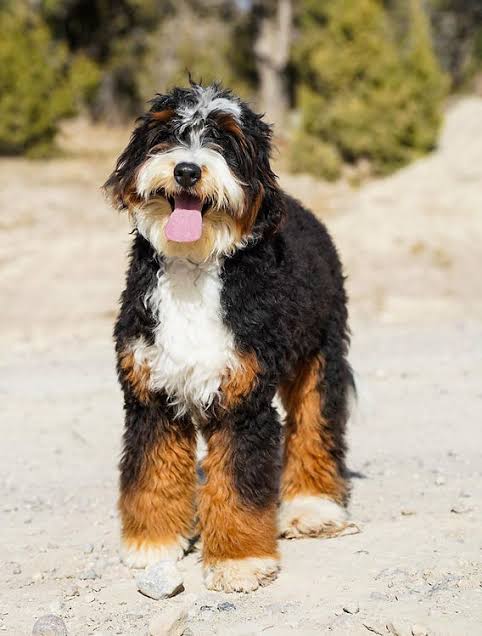
🟣 Hypoallergenic Level: Unpredictable
*Variable - depends on inherited coat and allergen traits from each parent 🏷️ Key CharacteristicsBreed OverviewSize: Medium to Large
Weight: 10-40 kg (22-90 lbs)
Height: 30-74 cm (12-29 inches)
Lifespan: 12-18 years
Activity Level: Medium to High
Grooming Difficulty: Medium
Hypoallergenic: Unpredictable
Good with Children: Yes
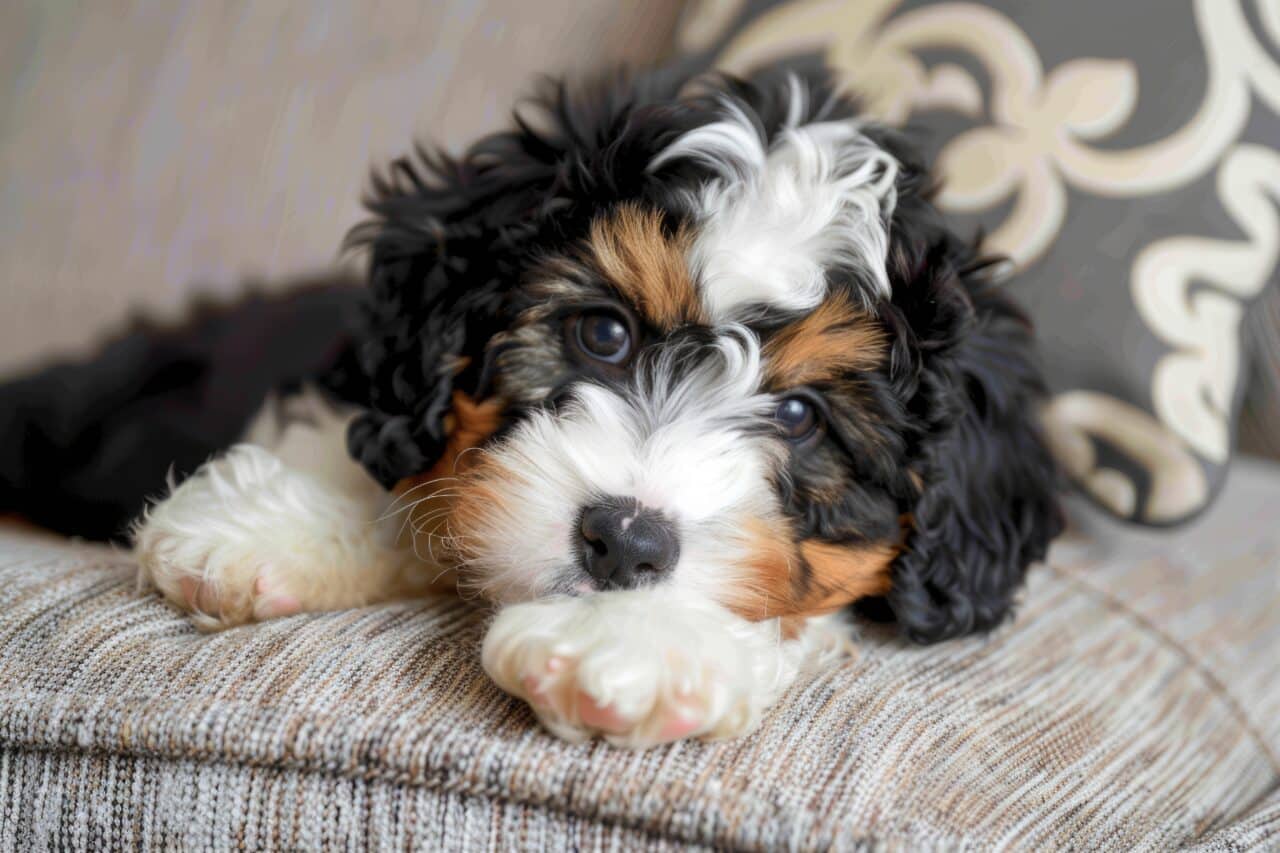
Beautiful fluffy Bernedoodle showcasing its teddy bear-like appearance
Color Variations
🏛️ Origin & HistoryThe Bernedoodle is a relatively new designer breed that emerged in the early 2000s, primarily developed in North America. This crossbreed was created by combining the gentle, loyal Bernese Mountain Dog with the intelligent, low-shedding Poodle. The goal was to produce a family-friendly companion that would inherit the best qualities from both parent breeds while potentially reducing allergen levels through the Poodle's influence. 
Bernedoodles adapt well to indoor living and love being close to family
Unlike purebred dogs with centuries of documented history, the Bernedoodle represents the modern approach to dog breeding where specific traits are intentionally combined. Breeders sought to create a dog with the Bernese Mountain Dog's calm temperament and striking appearance while incorporating the Poodle's hypoallergenic coat properties and longevity. The Poodle parent can be Standard, Miniature, or Toy size, resulting in three distinct Bernedoodle size categories: Standard, Mini, and Tiny. The breed quickly gained popularity among families seeking an affectionate, intelligent companion with potentially reduced shedding. However, it's crucial to understand that as a first-generation cross or multi-generation hybrid, Bernedoodles can vary significantly in appearance, temperament, and coat characteristics. The unpredictability of genetic inheritance means each Bernedoodle puppy may lean more toward either parent breed, making their hypoallergenic qualities inconsistent and difficult to guarantee. 💕 Character & Temperament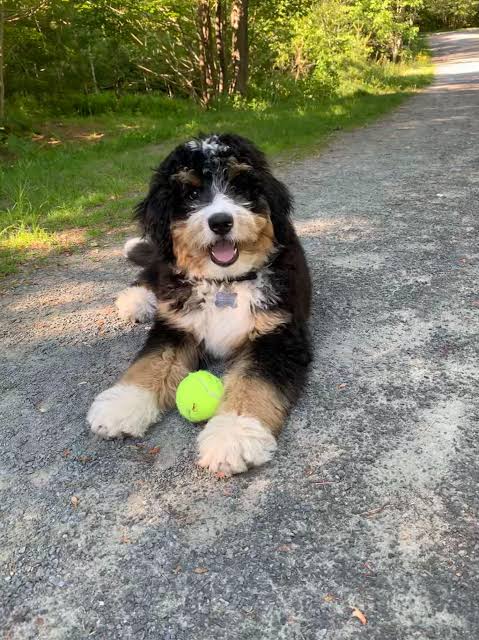
Playful and energetic Bernedoodle enjoying outdoor activities
Bernedoodles are renowned for their gentle, affectionate nature and strong desire to be close to their families. They typically inherit the Bernese Mountain Dog's calm, patient demeanor combined with the Poodle's intelligence and playfulness. This creates a versatile companion who is equally content cuddling on the couch or engaging in active play sessions. Their loyal and devoted personality makes them excellent family dogs who form deep bonds with all household members. These dogs are generally highly intelligent and eager to please, which makes training relatively straightforward for most owners. They respond well to positive reinforcement methods and can learn commands quickly. However, their intelligence also means they require mental stimulation to prevent boredom-related behaviors. Bernedoodles typically display a friendly attitude toward strangers after initial introductions, though some may inherit the Bernese Mountain Dog's natural watchfulness, making them good alert dogs without being aggressive. 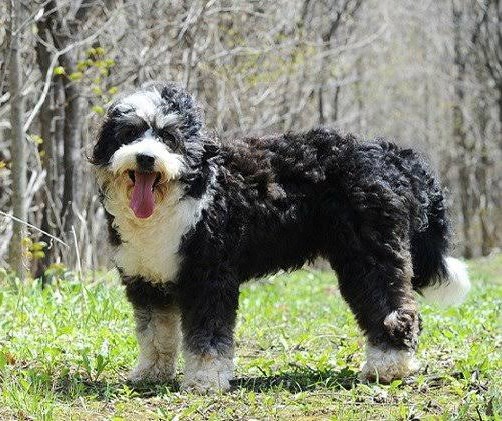
The cheerful disposition of a well-socialized Bernedoodle
Socialization is essential for Bernedoodles, particularly during their puppyhood. With proper socialization, they usually get along well with other pets and children. Their patient and gentle nature makes them particularly suitable for families with young children, though supervision is always recommended with any dog. Some Bernedoodles may experience separation anxiety if left alone for extended periods, as they thrive on human companionship and can become distressed when isolated from their family members. Temperament HighlightsAffectionate • Intelligent • Gentle • Loyal • Playful • Patient with Children 👀 Physical AppearanceThe Bernedoodle's appearance can vary significantly depending on which parent breed's genes are more dominant. Most Bernedoodles have a sturdy, well-proportioned build with a distinctive teddy bear-like appearance that makes them incredibly appealing. Their facial features often combine the Poodle's refined structure with the Bernese Mountain Dog's broader head, creating an endearing expression that captures hearts instantly. 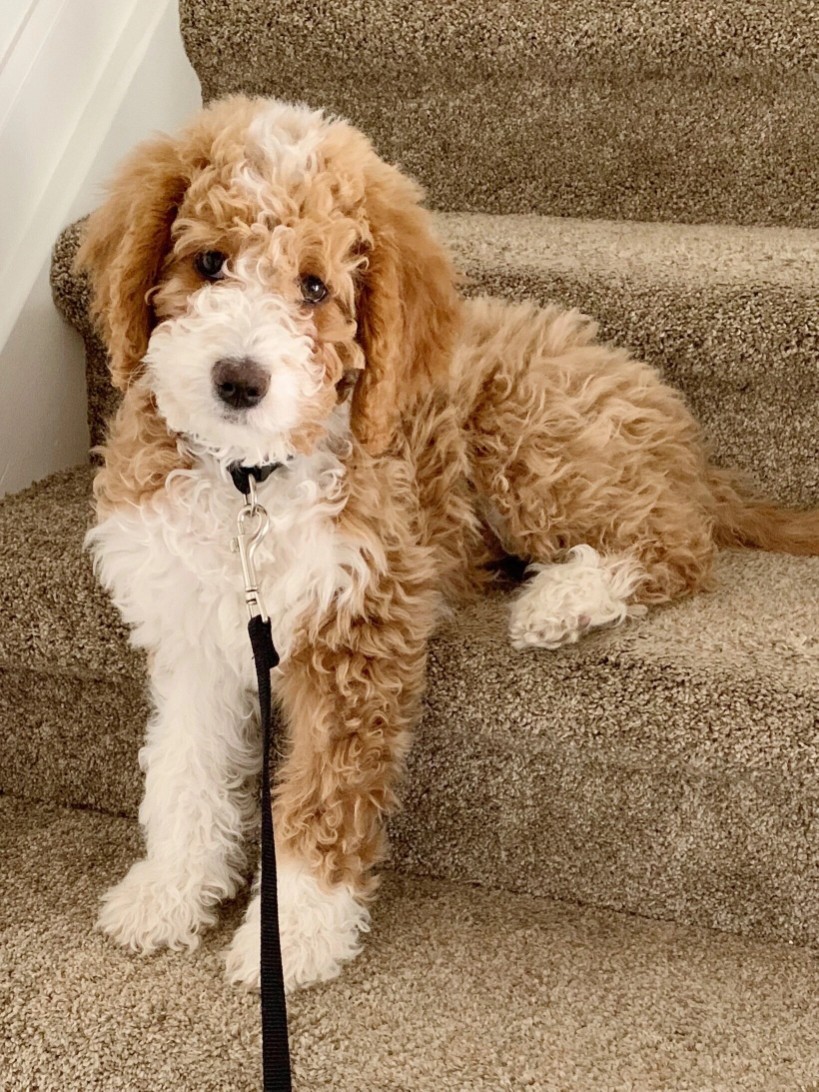
Stunning latte-colored Bernedoodle with wavy coat
Coat Types and Characteristics
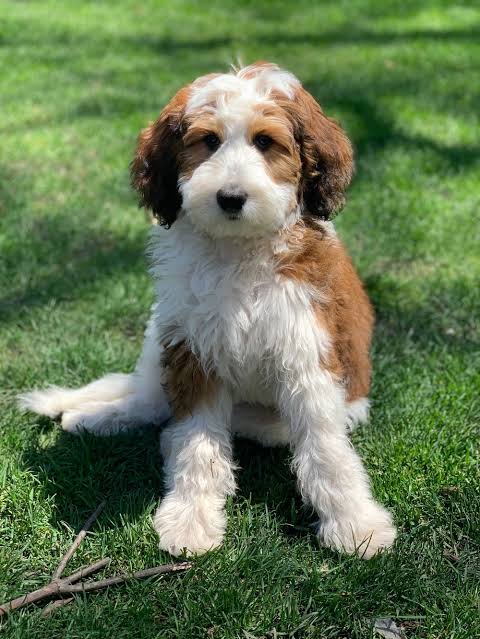
Light-colored Bernedoodle displaying elegant proportions
The coat texture is one of the most variable aspects of the breed. Wavy coats are most desirable for those seeking hypoallergenic qualities, as they tend to shed less than straight coats while being easier to maintain than tightly curled ones. The coat is typically soft and plush, requiring regular grooming regardless of texture. Eye color usually ranges from dark brown to hazel, and their noses are typically black, though some lighter-colored dogs may have brown noses. 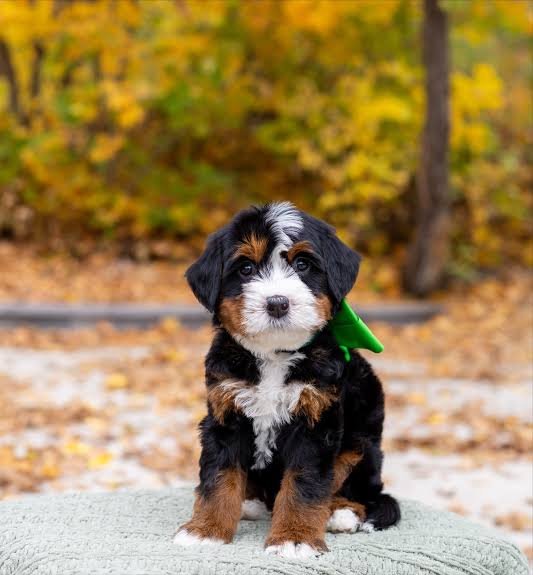
Adorable black tricolor Bernedoodle puppy with classic markings
Body structure varies by size classification, but all Bernedoodles typically have a well-balanced, athletic build. Standard Bernedoodles are the largest, standing 23-29 inches tall and weighing 70-90 pounds. Mini Bernedoodles measure 18-22 inches and weigh 25-49 pounds, while Tiny Bernedoodles are the smallest at 12-17 inches tall and 10-24 pounds. Their ears are usually floppy and set at medium height, and their tails can be straight or slightly curved, carried with a gentle upward curve when alert or excited. 🏃 Activity Needs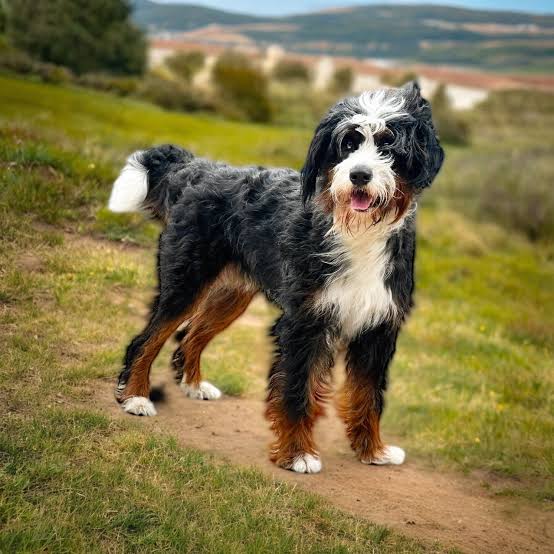
Active Bernedoodle enjoying nature and outdoor exploration
Bernedoodles require moderate to high levels of daily exercise to maintain their physical health and mental well-being. Standard-sized Bernedoodles typically need 45-60 minutes of exercise per day, while smaller varieties may be satisfied with 30-45 minutes. However, exercise requirements can vary based on the individual dog's energy level, which may lean more toward the calmer Bernese Mountain Dog or the more energetic Poodle personality. Recommended Daily Activities
Mental stimulation is equally important as physical exercise for this intelligent breed. Interactive toys, puzzle feeders, and training sessions help keep their minds engaged and prevent destructive behaviors born from boredom. Bernedoodles excel at various dog sports including agility, obedience trials, and even therapy work, which can provide excellent outlets for their energy and intelligence. Swimming is often a favorite activity for Bernedoodles, as many inherit the Poodle's natural affinity for water. Hiking, fetch games, and interactive play with family members are all excellent ways to meet their exercise needs. However, it's important to avoid overexertion, especially during puppyhood when joints are still developing, and in hot weather, as their thick coats can make them prone to overheating. ✂️ Grooming Care
Well-groomed Bernedoodle with maintained coat
Grooming requirements for Bernedoodles are moderate to high and vary significantly based on coat type. Regular grooming is essential not only for maintaining their appearance but also for preventing matting, which can be painful and lead to skin issues. The unpredictable nature of their coat inheritance means that some Bernedoodles will require more intensive grooming than others. Grooming Schedule
Brushing is the most critical grooming task for Bernedoodles. Wavy and curly coats are prone to matting, especially behind the ears, under the legs, and around the collar area. Using a slicker brush and metal comb combination helps work through tangles and removes loose hair. For curly-coated Bernedoodles, daily brushing may be necessary to prevent mat formation. Professional grooming every 6-8 weeks is recommended to maintain coat health and manageability. Many owners opt for a "puppy cut" or "teddy bear trim" which keeps the coat at a uniform, manageable length of 1-2 inches. This style reduces maintenance while preserving the breed's adorable appearance. However, keeping the coat longer is possible with commitment to regular brushing and professional care. Ear care is particularly important for Bernedoodles due to their floppy ears, which can trap moisture and lead to infections. Weekly ear checks and cleaning with a veterinarian-approved solution help prevent problems. Dental hygiene should not be overlooked, as small to medium-sized dogs are prone to dental issues. Regular teeth brushing helps prevent tartar buildup, gum disease, and associated health problems. Grooming InvestmentBudget for $50-$100 per professional grooming session plus home grooming supplies. Quality tools including slicker brushes, metal combs, and grooming scissors are essential investments for maintaining your Bernedoodle's coat between professional appointments. 🔍 Discover Your Ideal Hypoallergenic MatchConsidering a Bernedoodle but wondering about their unpredictable hypoallergenic qualities? Our interactive breed selector helps you explore all hypoallergenic options based on your specific needs, living situation, and allergy sensitivity. Find the perfect hypoallergenic companion for your family in just 2 minutes! 🍽️ Nutrition NeedsProper nutrition is fundamental to maintaining a healthy, active Bernedoodle. Their dietary needs vary based on size, age, activity level, and individual metabolism. High-quality dog food formulated for their specific size category (small, medium, or large breed) provides the foundation for good health. The food should list a quality protein source as the first ingredient and contain balanced amounts of fats, carbohydrates, vitamins, and minerals. Daily Feeding Guidelines
Puppies require specially formulated puppy food to support their rapid growth and development. They typically need to eat three to four times daily until about six months of age, then transition to twice-daily feeding. It's crucial to choose a puppy food appropriate for their expected adult size to ensure proper bone and joint development, which is particularly important for Standard Bernedoodles. Both parent breeds can be prone to certain health conditions affected by diet, including bloat (gastric dilatation-volvulus) in larger dogs and food sensitivities. To reduce bloat risk, avoid feeding one large meal daily, don't allow vigorous exercise immediately before or after meals, and consider using a slow-feeder bowl. Some Bernedoodles may develop food allergies or sensitivities, requiring grain-free or limited-ingredient diets. Always consult with your veterinarian before making significant dietary changes. Treats should comprise no more than 10% of daily caloric intake to prevent obesity. Bernedoodles can be food-motivated, making treats excellent training rewards, but portion control remains important. Fresh, clean water should always be available, and food bowls should be washed daily to prevent bacterial growth. 👨👩👧👦 Suitable ForFamilies with ChildrenExcellent choice. Bernedoodles typically display remarkable patience and gentleness with children, making them outstanding family companions. Their playful yet calm nature allows them to engage in active play while being careful around smaller children. However, as with any dog breed, supervision during interactions is essential, particularly with very young children. Teaching children proper dog etiquette and respect for the dog's space ensures a harmonious relationship. Best suited for families with children aged 5 and older who can understand and follow basic safety rules around dogs. Very young children should always be supervised during interactions. Apartment LivingPossible but with considerations. Mini and Tiny Bernedoodles can adapt reasonably well to apartment living if their exercise needs are consistently met. Standard Bernedoodles may find apartment living more challenging due to their size and higher activity requirements. Regardless of size, all Bernedoodles need daily outdoor exercise and mental stimulation. Apartments with nearby parks or green spaces are ideal. Be prepared for their moderate vocalization levels and ensure proper training to prevent excessive barking that might disturb neighbors. First-Time Dog OwnersGood choice with commitment. Bernedoodles are generally easier to train than many breeds due to their intelligence and eagerness to please, making them suitable for novice owners willing to invest time in training and socialization. However, their grooming requirements are substantial and may be overwhelming for first-timers unprepared for the financial and time commitment. First-time owners should budget for professional grooming and be prepared to learn proper brushing techniques. Additionally, their size (especially Standard Bernedoodles) and energy levels require confident handling. Experienced Dog OwnersExcellent match. Experienced owners will appreciate the Bernedoodle's trainability and can effectively channel their intelligence into productive activities. Those familiar with grooming-intensive breeds or willing to maintain a regular grooming schedule will find the Bernedoodle's coat manageable. Experienced owners can also better navigate the unpredictable nature of hybrid traits and adapt their approach based on their individual dog's personality and needs. Active Individuals and FamiliesPerfect fit. Active households that enjoy hiking, outdoor adventures, and regular exercise will find an enthusiastic companion in the Bernedoodle. They make excellent jogging partners, hiking buddies, and outdoor activity companions once fully grown and physically mature. Their versatility allows them to match various activity levels from moderate daily walks to more intensive outdoor pursuits. SeniorsDepends on size and energy level. Mini or Tiny Bernedoodles with calmer temperaments can be suitable for active seniors who can manage grooming requirements and provide adequate exercise. Standard Bernedoodles may be too large and energetic for most seniors. The breed's gentle, affectionate nature makes them wonderful companions for those who can meet their needs, but the physical demands of grooming and exercise should be carefully considered. ⚖️ Pros & Cons✅ Advantages
❌ Disadvantages
❓ Frequently Asked QuestionsAre Bernedoodles truly hypoallergenic?No, Bernedoodles are not guaranteed to be hypoallergenic. Their hypoallergenic qualities are unpredictable because they inherit coat characteristics from both parent breeds. While Poodles are considered hypoallergenic, Bernese Mountain Dogs shed significantly. A Bernedoodle's allergen production depends on which parent's coat genes are dominant. Some Bernedoodles may be suitable for people with mild allergies, while others may trigger allergic reactions. It's recommended that allergy sufferers spend time with Bernedoodle puppies from the specific litter before committing to adoption. How much does a Bernedoodle cost?Bernedoodles typically cost between $2,000 and $5,000 from reputable breeders, with some exceptional bloodlines or rare colors commanding even higher prices. Tiny and Mini Bernedoodles often cost more than Standard sizes due to breeding challenges. Additionally, budget for ongoing expenses including food ($50-$100/month), grooming ($50-$100 every 6-8 weeks), veterinary care, insurance, training, and supplies. Annual costs can range from $2,000 to $4,000 or more depending on size and health. Do Bernedoodles bark a lot?Bernedoodles are moderate barkers - they're not typically excessive barkers but will vocalize to alert their families of unusual activity or when bored, anxious, or seeking attention. With proper training, socialization, and adequate mental and physical stimulation, excessive barking can be minimized. They may inherit the Bernese Mountain Dog's watchful nature and bark when strangers approach, making them decent watchdogs without being nuisance barkers. How long do Bernedoodles live?Bernedoodles typically live 12-18 years, which is notably longer than the purebred Bernese Mountain Dog's lifespan of 7-10 years. Smaller Bernedoodles (Tiny and Mini) generally live longer than Standard-sized ones, often reaching 15-18 years. This increased longevity is often attributed to hybrid vigor and the Poodle's influence. However, lifespan depends on genetics, diet, exercise, healthcare, and overall lifestyle. Regular veterinary check-ups, proper nutrition, and maintaining a healthy weight contribute to longevity. What health problems do Bernedoodles have?While generally healthy, Bernedoodles can inherit health conditions from either parent breed. Common concerns include: hip and elbow dysplasia, progressive retinal atrophy (PRA), von Willebrand's disease (blood clotting disorder), allergies and skin issues, bloat (gastric dilatation-volvulus) in larger dogs, and various eye conditions. Reputable breeders perform health screenings on parent dogs to minimize these risks. Choosing a breeder who tests for genetic conditions and provides health guarantees is essential. Regular veterinary care and maintaining a healthy lifestyle help prevent or manage potential health issues. Are Bernedoodles easy to train?Yes, Bernedoodles are generally easy to train due to their intelligence and eagerness to please. They respond exceptionally well to positive reinforcement methods using treats, praise, and play. Their Poodle heritage contributes to quick learning and problem-solving abilities, while the Bernese Mountain Dog influence adds a willingness to work with their handlers. Early socialization and consistent training are important to develop a well-mannered adult dog. However, their intelligence means they can become bored with repetitive training, so keeping sessions varied and engaging is key. Can Bernedoodles be left alone?Bernedoodles can be left alone for 4-6 hours maximum once properly trained, but they are companion dogs who thrive on human interaction and may develop separation anxiety if left alone frequently or for extended periods. They do best in households where someone is home most of the time or where they can accompany family members during daily activities. If you must leave your Bernedoodle alone regularly, gradual acclimation, providing mental stimulation through puzzle toys, and ensuring adequate exercise before departure can help. Consider doggy daycare or a dog walker for longer absences. What generation Bernedoodle is most hypoallergenic?F1B Bernedoodles (75% Poodle, 25% Bernese Mountain Dog) are typically considered the most likely to have hypoallergenic qualities due to their higher Poodle genetic percentage. However, even F1B generation dogs are not guaranteed to be hypoallergenic. F1 Bernedoodles (50/50 mix) show the most variation in coat type and allergen production. F2 and multi-generation Bernedoodles can vary widely. No Bernedoodle generation can be guaranteed 100% hypoallergenic because allergen production involves complex genetic factors beyond just coat type. Remember: Every Bernedoodle is unique, with individual personality traits, care requirements, and allergen levels. Spend time with the specific puppy or adult dog you're considering to ensure they're the right fit for your family and allergy situation. | |||||||||||||||||||||||||||||||||||||||||||||||||||||||||||||||||||||||||||||||
|
| |||||||||||||||||||||||||||||||||||||||||||||||||||||||||||||||||||||||||||||||
| Переглядів: 527 | | | |||||||||||||||||||||||||||||||||||||||||||||||||||||||||||||||||||||||||||||||

| Total comments: 0 | |