🐶 Bolognese: Hypoallergenic Guide ✅Character, Grooming & Suitability 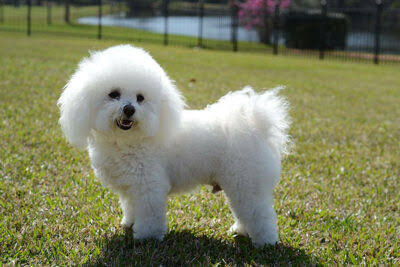
🟢 Hypoallergenic Level: Highly Hypoallergenic
🏷️ Key CharacteristicsBreed OverviewSize:
Small Weight:
5.5-9 lbs (2.5-4 kg) Height:
10-12 inches (25-30 cm) Life Span:
12-14 years Coat Colors:
Pure white Activity Level:
Low to Medium Grooming Needs:
High Hypoallergenic:
✅ Yes (Highly) Why Bolognese is Highly HypoallergenicThe Bolognese breed produces minimal dander and has a non-shedding coat consisting of soft, cotton-like hair without an undercoat. This unique coat structure significantly reduces the spread of allergens, making them an excellent choice for allergy sufferers. 🏛️ Origin & History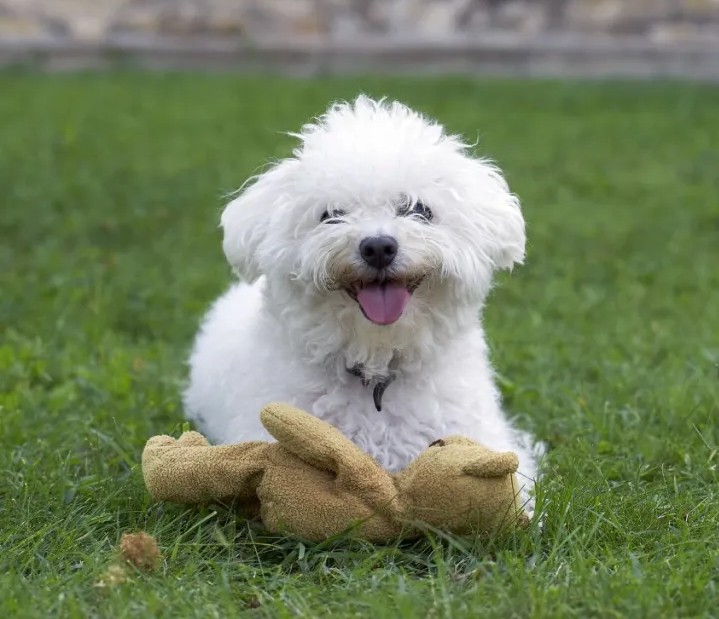
Bolognese showing playful nature
The Bolognese is an ancient Italian breed that traces its roots back to the 11th and 12th centuries in Bologna, Italy. These charming little dogs were treasured companions of Italian nobility and aristocracy during the Renaissance period. Historical records and artworks from this era frequently depict these fluffy white dogs in the laps of wealthy merchants and royal families. The breed gained immense popularity among European nobility, with documented ownership by figures such as Catherine the Great of Russia, Madame de Pompadour of France, and Empress Maria Theresa of Austria. These royal connections helped establish the Bolognese as a symbol of luxury and refinement. Unlike many working breeds, the Bolognese was bred purely as a companion dog, with the sole purpose of providing affection and companionship to their owners. Despite their illustrious past, the breed nearly faced extinction after World War II. Thanks to dedicated breeders, particularly in Italy, the Bolognese was carefully preserved and restored. Today, while still relatively rare compared to other companion breeds, the Bolognese is experiencing a revival in popularity, especially among those seeking hypoallergenic companion dogs. The breed was officially recognized by various kennel clubs, including the FCI (Fédération Cynologique Internationale) and continues to win hearts worldwide with their devoted nature and charming appearance. 
Bolognese distinctive facial features
💕 Character & TemperamentThe Bolognese is renowned for being an exceptionally devoted and affectionate companion dog. These little dogs form incredibly strong bonds with their families and thrive on human companionship. Unlike some independent toy breeds, the Bolognese genuinely needs to be close to their people and may develop separation anxiety if left alone for extended periods. 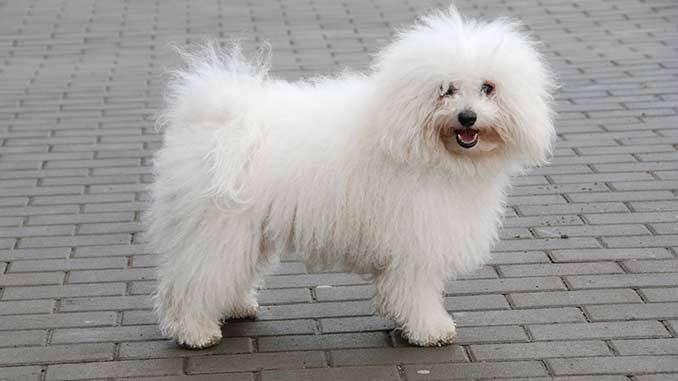
Bolognese confident outdoor demeanor
Personality-wise, the Bolognese is calm, gentle, and well-mannered. They are not typically yappy or overly energetic, making them excellent apartment dogs. These dogs are known for their intelligence and eagerness to please, which makes training relatively straightforward when using positive reinforcement methods. They respond beautifully to gentle guidance and consistency.
The Bolognese tends to be slightly reserved with strangers but never aggressive. They make surprisingly good watchdogs, alerting their family to visitors or unusual sounds, though they are not excessive barkers. With proper socialization from puppyhood, they become confident and well-adjusted companions who can adapt to various social situations while maintaining their sweet, gentle disposition. 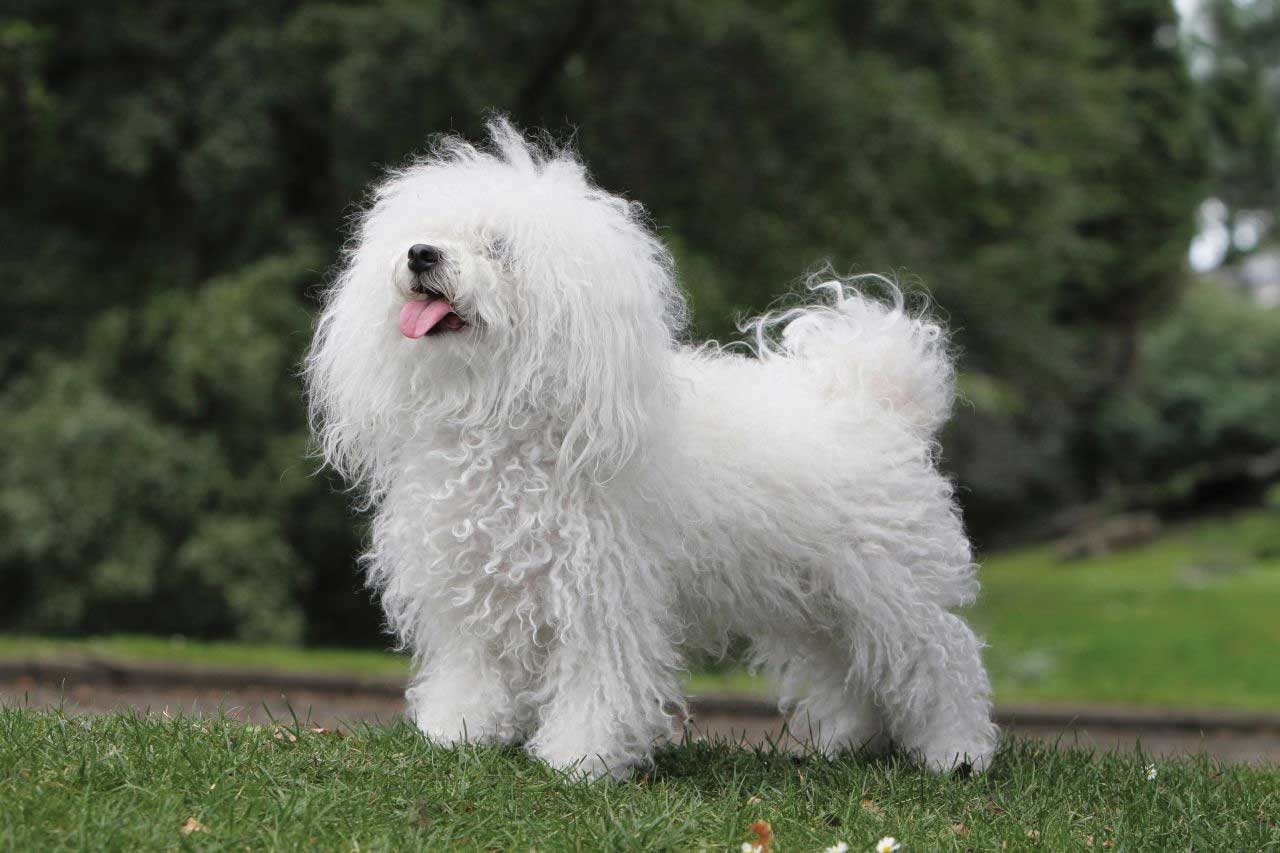
Bolognese enjoying park environment
👀 Physical AppearanceThe Bolognese is a small, compact, and square-proportioned dog with a distinctively fluffy appearance. Their most striking feature is their beautiful white coat, which gives them an almost cloud-like appearance. The breed's body is well-balanced, with length roughly equal to height, creating an elegant and harmonious silhouette. 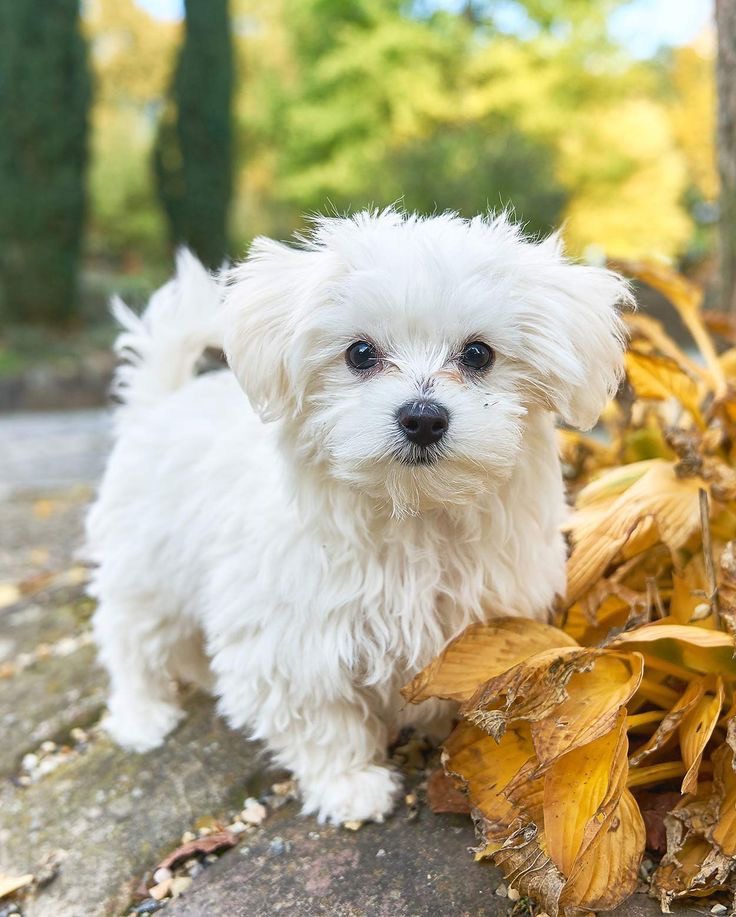
Bolognese coat texture in natural setting
The coat of the Bolognese is pure white and consists of long, fluffy, cotton-like hair that covers the entire body in soft locks. Unlike many other breeds, the Bolognese lacks an undercoat, which contributes significantly to their hypoallergenic qualities. The hair is never curly but forms flowing locks that give the dog a soft, plush appearance. The coat on the head is shorter but still maintains the characteristic fluffy texture.
The Bolognese has a distinctive facial expression characterized by large, dark, round eyes that convey warmth and intelligence. The nose and eye rims are always black, providing striking contrast against the white coat. Their ears are long and pendant, covered with flowing hair. The tail is carried gracefully curved over the back, adding to their elegant appearance. Overall, the Bolognese presents an image of refinement, gentleness, and charm. 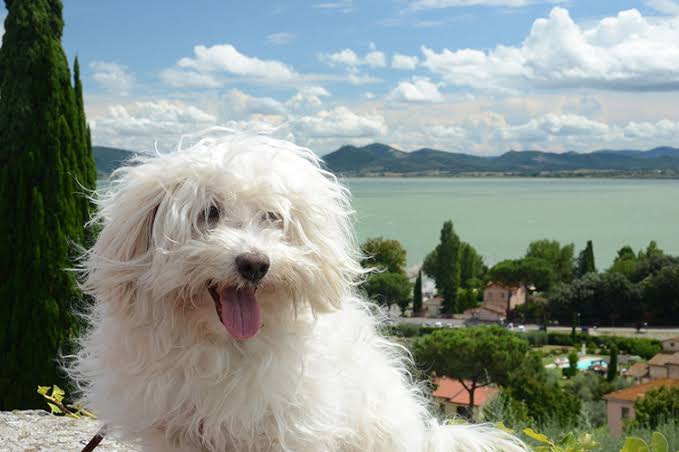
Bolognese showcasing elegant profile
🏃 Activity NeedsThe Bolognese has moderate to low exercise requirements, making them ideal for apartment living and less active households. Unlike high-energy breeds, they don't require extensive daily exercise, but they do benefit from regular activity to maintain their physical health and mental stimulation. 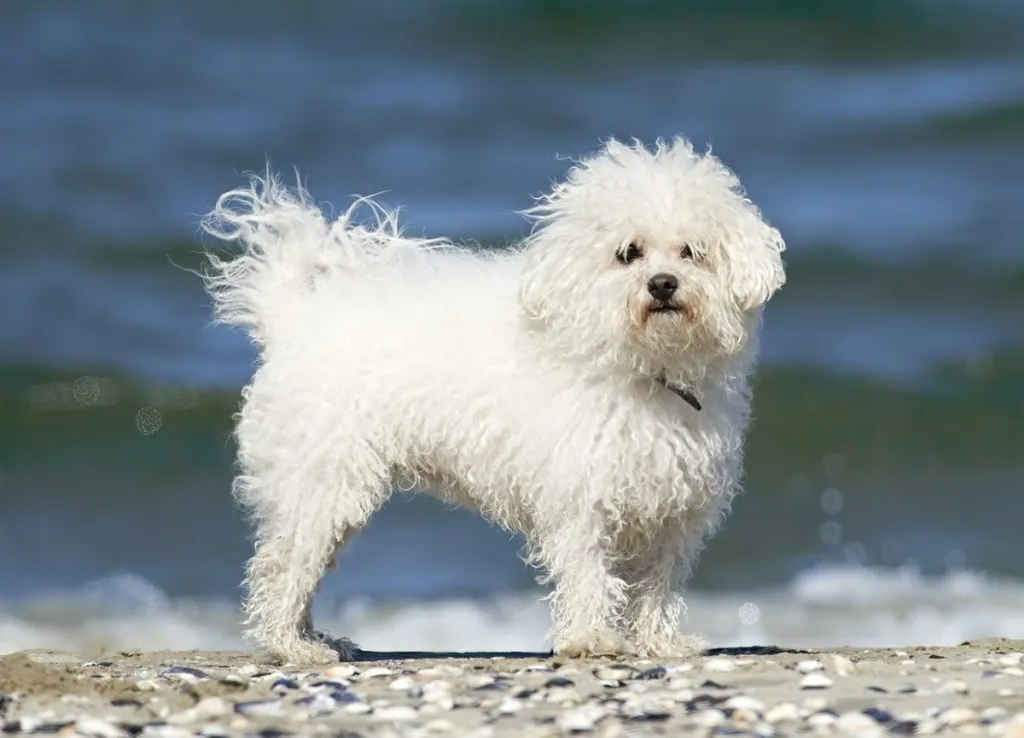
Bolognese relaxing outdoors
A typical day for a Bolognese should include two short walks of 15-20 minutes each, along with some indoor playtime. They enjoy leisurely strolls where they can explore their environment and socialize with their owners. These dogs are not marathon runners and prefer gentle, consistent activity over intense exercise sessions. Indoor play with toys, gentle games, and training exercises are excellent ways to keep them mentally engaged.
Mental stimulation is just as important as physical exercise for the Bolognese. These intelligent dogs enjoy puzzle toys, interactive games, and training activities. They excel in activities that involve spending time with their owners, such as trick training or gentle agility exercises designed for small dogs. However, they are equally content to curl up on the couch with their family, making them versatile companions for various lifestyles. 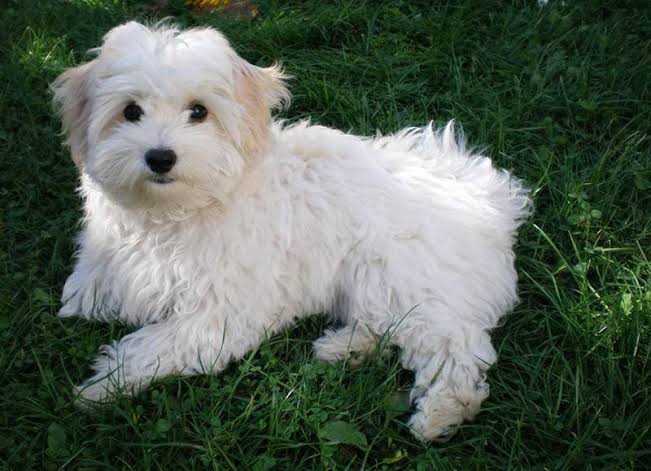
Bolognese enjoying outdoor activity
✂️ Grooming CareThe Bolognese requires significant grooming commitment to maintain their beautiful coat and hypoallergenic qualities. While they don't shed, their long, fluffy coat needs regular attention to prevent matting and keep them looking their best. This high-maintenance grooming routine is the trade-off for their exceptional hypoallergenic properties. Daily brushing is essential for the Bolognese. Their cotton-like coat can easily become tangled and matted if not brushed regularly. Use a high-quality pin brush or slicker brush, working gently through the coat in sections. Pay special attention to areas prone to matting, such as behind the ears, under the legs, and around the collar area. A metal comb should be used afterward to ensure all tangles are removed and the coat is completely smooth.
Bathing should be done every 2-4 weeks using a gentle, hypoallergenic dog shampoo. The coat should be thoroughly dried after bathing, as the dense hair can retain moisture. Many owners opt for professional grooming every 6-8 weeks to maintain the coat's shape and ensure proper trimming around the eyes, paws, and sanitary areas. Some owners choose to keep their Bolognese in a shorter "puppy cut" to reduce grooming time while maintaining the hypoallergenic benefits. Eye care is particularly important for this breed, as their large, dark eyes can be prone to tear staining. Daily cleaning around the eyes with a damp, soft cloth helps prevent staining and keeps the area clean. Dental hygiene is also crucial, as small breeds are prone to dental issues. Regular teeth brushing and dental chews can help maintain oral health throughout their lives. 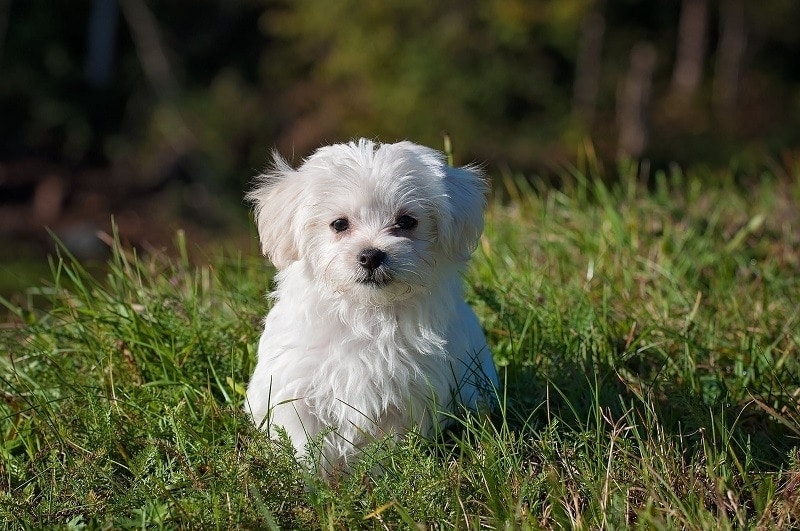
Bolognese puppy with well-maintained coat
🍽️ Nutrition NeedsThe Bolognese requires a high-quality, balanced diet appropriate for their size, age, and activity level. As a small breed, they have faster metabolisms and may need nutrient-dense food to meet their energy requirements. Proper nutrition is essential for maintaining their beautiful coat, supporting their immune system, and ensuring overall health. Adult Bolognese typically require 1/4 to 1/2 cup of high-quality dry dog food per day, divided into two meals. The exact amount depends on the dog's age, metabolism, activity level, and the caloric density of the food. Puppies need more frequent feeding (3-4 times daily) with food specifically formulated for small breed puppies to support their growth and development.
Choose a food that lists real meat as the first ingredient and contains appropriate levels of protein, fat, and essential nutrients. Small breed formulas are often beneficial as they contain smaller kibble sizes suitable for the Bolognese's small mouth. Foods rich in omega-3 and omega-6 fatty acids help maintain the quality and luster of their white coat. Important Dietary ConsiderationsMonitor weight carefully: Bolognese can easily become overweight due to their small size. Even an extra pound can be significant for these tiny dogs. Avoid table scraps and excessive treats, which should make up no more than 10% of their daily caloric intake. Always provide fresh, clean water, and consult with your veterinarian about the best diet plan for your individual dog's needs. 👨👩👧👦 Suitable ForFamilies with ChildrenThe Bolognese can be a wonderful family companion, particularly for families with older children (ages 8 and up) who understand how to interact gently with small dogs. Their patient and affectionate nature makes them loving family members. However, due to their small size and delicate build, they are not recommended for families with very young children (under 6 years) who might accidentally injure them during rough play. Supervision is essential, and children must be taught to handle the dog with care and respect. Apartment LivingThe Bolognese is exceptionally well-suited for apartment living. Their small size, moderate exercise needs, and generally quiet nature make them ideal urban companions. They don't require a large yard and are perfectly content with regular walks and indoor play. Their low barking tendency means they're unlikely to disturb neighbors, though they will alert you to visitors. As long as they receive adequate attention and aren't left alone for long periods, they thrive in apartment environments. First-Time Dog Owners vs. Experienced OwnersThe Bolognese can be suitable for both first-time and experienced dog owners, but with some important considerations. Their gentle temperament, trainability, and size make them manageable for beginners. However, first-time owners must be committed to the extensive grooming requirements and understand the breed's need for constant companionship.
The breed is particularly ideal for retirees, seniors, or people who work from home and can provide constant companionship. They're also excellent for allergy sufferers seeking a devoted, small companion dog. However, they are not recommended for people who travel frequently or work long hours away from home, as they don't do well being left alone for extended periods. 🔍 Discover Your Ideal Hypoallergenic MatchWondering if the Bolognese is the perfect fit for your lifestyle? Our comprehensive breed selector tool evaluates your living situation, activity level, and allergy sensitivity to recommend the best hypoallergenic breeds for you. Find your perfect hypoallergenic companion in just 2 minutes! ⚖️ Pros & Cons✅ Pros
❌ Cons
❓ Frequently Asked QuestionsIs the Bolognese truly hypoallergenic?Yes, the Bolognese is considered highly hypoallergenic. They have a single-layer coat without an undercoat, produce minimal dander, and don't shed. However, no dog is 100% hypoallergenic. People with severe allergies should spend time with the breed before committing to ensure compatibility. How much does a Bolognese puppy cost?Bolognese puppies from reputable breeders typically cost between $1,800 and $3,500, with some exceptional bloodlines commanding higher prices. The breed is relatively rare, which contributes to the higher cost. Always choose a responsible breeder who performs health testing and provides proper socialization. Can Bolognese dogs be left alone during the day?Bolognese dogs are not well-suited to being left alone for extended periods. They are prone to separation anxiety and need constant companionship. If you work full-time outside the home, this breed may not be ideal unless you can arrange for midday visits, doggy daycare, or work from home arrangements. How often do Bolognese need grooming?Daily brushing is essential to prevent matting in their long, fluffy coat. Professional grooming should be done every 6-8 weeks. Bathing is needed every 2-4 weeks, and daily eye cleaning is important to prevent tear staining. The grooming commitment is significant but necessary for their health and appearance. Are Bolognese good with children?Bolognese can be excellent with older children (8+) who understand gentle handling. However, they are not recommended for families with very young children due to their small, delicate size. They can be easily injured by rough play. With proper supervision and training, they can be loving family companions. Do Bolognese bark a lot?No, Bolognese are not excessive barkers. They will alert you to visitors or unusual sounds, making them good watchdogs, but they are generally quiet dogs. This makes them well-suited for apartment living and close-quartered environments where noise could be an issue. What health issues are common in Bolognese dogs?Bolognese are generally healthy, but can be prone to patellar luxation, eye problems, dental issues, and hip dysplasia. Regular veterinary check-ups, proper dental care, and maintaining a healthy weight can help prevent many issues. Choose breeders who perform health testing on their breeding dogs. How much exercise does a Bolognese need?Bolognese have moderate to low exercise needs. Two short walks of 15-20 minutes each day, plus some indoor playtime, is typically sufficient. They enjoy gentle activities and mental stimulation but are not high-energy dogs. This makes them suitable for less active owners and apartment living. What's the difference between a Bolognese and a Bichon Frise?While both are small white hypoallergenic breeds, the Bolognese has a fluffier, cotton-like coat that hangs in locks, while the Bichon has a curly, powder-puff coat. Bolognese tend to be slightly smaller, more reserved, and more attached to their owners, while Bichons are generally more outgoing and playful. Is the Bolognese a good choice for seniors?Yes, the Bolognese is an excellent choice for seniors. Their small size, moderate exercise needs, devoted nature, and calm temperament make them ideal companions for older adults. However, potential owners should consider whether they can manage the daily grooming requirements or budget for professional grooming services. The Bolognese is a remarkable hypoallergenic breed that combines elegance, devotion, and charm in a small, fluffy package. While they require dedicated grooming and constant companionship, they reward their owners with unwavering loyalty and affection. For the right owner who can meet their needs, the Bolognese makes an exceptional lifelong companion. | ||||||||||||||||||||||||||||||||||||||||||||||||||||||||||||||||||||||||||||||||||||||||||||||||||||||||||||||||||||
|
| ||||||||||||||||||||||||||||||||||||||||||||||||||||||||||||||||||||||||||||||||||||||||||||||||||||||||||||||||||||
| Переглядів: 605 | | | ||||||||||||||||||||||||||||||||||||||||||||||||||||||||||||||||||||||||||||||||||||||||||||||||||||||||||||||||||||

| Total comments: 0 | |