🐕 Are Boston Terriers Hypoallergenic? No, here's why❌ Quick Answer: No, Boston Terriers are NOT considered hypoallergenic! Boston Terriers shed moderately throughout the year, with heavier shedding during seasonal changes. Their short, smooth coat releases dander, saliva proteins, and hair into the environment, which are the primary triggers for dog allergies. While their grooming needs are minimal, their shedding patterns make them unsuitable for most people with significant dog allergies.

The charming Boston Terrier - an affectionate companion with moderate shedding ⚡ Understanding Boston Terriers and Allergies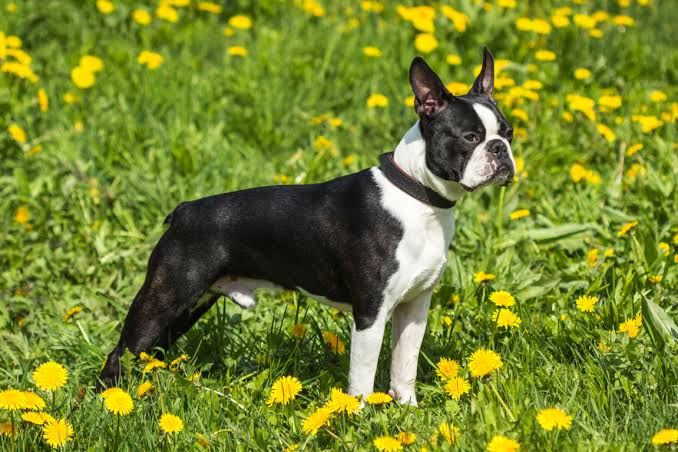
Boston Terrier enjoying outdoor time - their friendly nature makes them beloved companions The Boston Terrier, affectionately known as the "American Gentleman" 🎩, is one of the most beloved companion breeds in the United States. With their tuxedo-like markings, expressive eyes, and delightful personalities, these dogs have captured hearts worldwide. However, for individuals with dog allergies, understanding the breed's hypoallergenic status is essential before bringing one home. Boston Terriers are not hypoallergenic dogs. Despite their short coat and relatively small size, they produce allergens at levels comparable to other non-hypoallergenic breeds. The proteins found in their dander, saliva, and urine can trigger allergic reactions in sensitive individuals, ranging from mild symptoms like sneezing to more severe respiratory responses. 🐾 Boston Terrier Quick FactsSize Small to Medium
10-25 lbs (4.5-11 kg) Height 15-17 inches
(38-43 cm) Coat Type Short, smooth,
fine texture Shedding Level Moderate
Year-round Lifespan 11-13 years
Temperament Friendly, intelligent,
lively 🔬 What Makes a Dog Breed Hypoallergenic?Before diving into why Boston Terriers aren't hypoallergenic, it's important to understand what makes certain breeds better suited for allergy sufferers. The term "hypoallergenic" can be somewhat misleading, as no dog breed is 100% allergen-free. However, some breeds produce significantly fewer allergens than others. The primary allergen that affects people isn't actually dog hair itself, but rather proteins found in:
🧬 Key Characteristics of Hypoallergenic BreedsTruly hypoallergenic breeds typically share these traits:

Adorable Boston Terrier puppy - even at this age, they shed and produce dander ❌ Why Boston Terriers Aren't HypoallergenicBoston Terriers, despite their endearing qualities and relatively low-maintenance grooming needs, possess several characteristics that disqualify them from being considered hypoallergenic: 1. Regular Shedding Pattern 🌡️Boston Terriers shed moderately throughout the year, with increased shedding during spring and fall seasonal changes. Their short, smooth coat consists of fine hairs that easily become airborne and settle on furniture, clothing, and bedding. This constant release of hair carries dander particles throughout your living environment, creating persistent allergen exposure. 2. Single-Layer But Still Problematic 🧥While Boston Terriers have a single-layer coat without an undercoat (which is sometimes mistakenly thought to make them hypoallergenic), their coat type doesn't trap dander effectively. Unlike the curly or wiry coats of truly hypoallergenic breeds that capture dander close to the skin, the Boston Terrier's smooth, straight hair allows dander particles to disperse freely into the environment. 3. Normal Dander Production 🔬Boston Terriers produce typical amounts of Can f 1 protein, the primary allergen responsible for dog allergies. This protein is secreted through their skin and appears in their saliva and urine. Their affectionate nature means they often lick their owners and themselves, spreading saliva-based allergens throughout their coat. 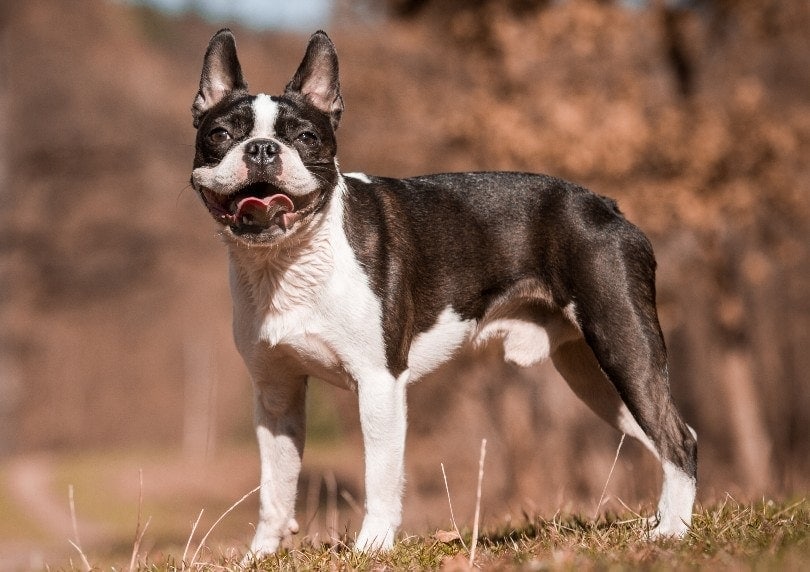
Boston Terriers are enthusiastic companions who love close contact - spreading allergens through licking and cuddling 4. Grooming and Maintenance 💆Although Boston Terriers require minimal grooming compared to long-haired breeds, their grooming routine doesn't significantly reduce allergen levels. Regular brushing removes loose hair and some dander, but it can't eliminate the continuous production of allergenic proteins. Additionally, their facial wrinkles (present in some individuals) require regular cleaning, which can expose caregivers to saliva and skin secretions. ↑ Back to Menu🤧 Boston Terriers and Allergy SufferersIf you're an allergy sufferer considering a Boston Terrier, it's crucial to approach this decision with realistic expectations and proper preparation. While Boston Terriers aren't suitable for people with severe dog allergies, some individuals with mild allergies might successfully live with them by implementing comprehensive allergy management strategies. ⚖️ Allergy Severity ScaleSevere Allergies: Not recommended ❌ Moderate Allergies: High risk ⚠️ Mild Allergies: Possible with precautions ⚡ 
These intelligent dogs are attentive and eager to please - making them wonderful family companions when allergies aren't a concern 🐾 Thinking About a Boston Terrier Alternative?If you love the Boston Terrier's personality but need a more allergy-friendly option, our breed selector can help you discover similar breeds with lower allergen production. Find your perfect companion without compromising your health - results in under 3 minutes! 🔄 Hypoallergenic Alternatives to Boston TerriersFor those who love the Boston Terrier's compact size, friendly disposition, and moderate exercise needs but require a hypoallergenic breed, several alternatives exist. These breeds share similar characteristics while producing significantly fewer allergens: 
Boston Terriers are playful and energetic - traits shared by several hypoallergenic alternatives
Why These Alternatives Work:
💡 Tips for Allergy Sufferers Who Choose Boston TerriersIf you've decided to proceed with adopting a Boston Terrier despite allergies, implementing a comprehensive management strategy is essential. These measures won't eliminate allergen exposure but can significantly reduce symptoms for those with mild allergies. 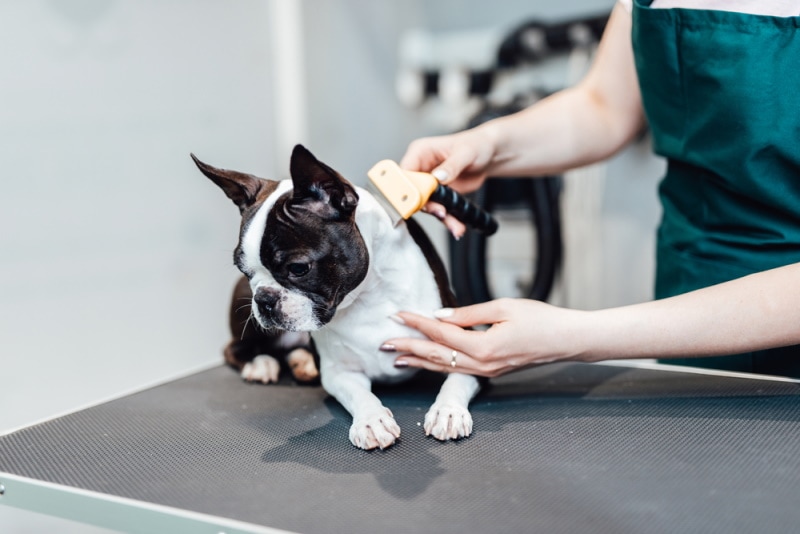
Regular grooming is essential for managing allergen levels with Boston Terriers 1. Environmental Management 🏠
2. Grooming and Hygiene ✂️

Boston Terriers may need protective clothing in cold weather - regular washing of dog clothes reduces allergen spread 3. Personal Hygiene Practices 🧴
4. Medical Management 💊
5. Household Cleaning Routine 🧽
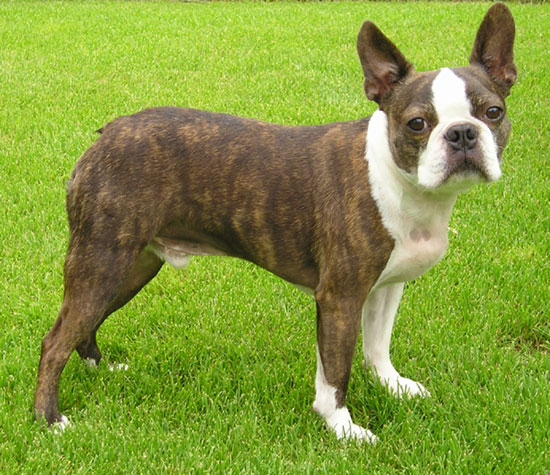
Beautiful brindle Boston Terrier - their stunning coat comes in various patterns but all shed similarly 🧪 Testing Before Adopting a Boston TerrierBefore committing to a Boston Terrier, conducting a "trial period" with the breed is absolutely essential for anyone with known or suspected dog allergies. This proactive approach can prevent heartbreak and the difficult decision of rehoming a beloved pet later. Steps for Pre-Adoption Testing 🔍1. Visit Boston Terrier Owners or Breeders 🏡Spend extended time (2-3 hours minimum) in homes with Boston Terriers. Brief encounters won't trigger delayed allergic reactions that might develop after 30-60 minutes of exposure. Visit multiple times on different days to assess your body's consistent response. 2. Foster or Trial Adoption Period 📅Many rescue organizations and some breeders offer trial periods or foster-to-adopt programs. Request at least a 2-week trial period in your own home environment, as allergies can worsen with continuous exposure. This allows you to experience real-life conditions including sleeping with allergens in your home overnight. 3. Allergy Testing 💉Get tested specifically for dog allergen sensitivity before adoption. An allergist can perform skin prick tests or blood tests (IgE tests) to determine your sensitivity level to Can f 1 and other dog proteins. This provides objective data about your allergy risk. 4. Observe Your Symptoms 📝Keep a detailed symptom diary during test interactions, noting:
5. Consider Professional Guidance 👨⚕️Bring your symptom diary to an allergist for professional interpretation. They can help you understand whether your reactions are manageable with lifestyle modifications or if a Boston Terrier poses too significant a health risk. 
Boston Terriers love adventures and outdoor activities - spending time with the breed before adopting helps assess allergy compatibility ⚠️ Warning Signs to Reconsider 🚨If you experience any of these symptoms during testing, a Boston Terrier is likely not a safe choice:
❓ Frequently Asked QuestionsAre Boston Terriers good for people with allergies?No, Boston Terriers are not good for people with allergies. They shed moderately year-round and produce typical levels of allergenic proteins in their dander, saliva, and urine. While some individuals with very mild allergies might manage with extensive precautions, Boston Terriers are generally unsuitable for allergy sufferers. People with moderate to severe dog allergies should consider truly hypoallergenic breeds instead. 🤧 Do Boston Terriers shed a lot?Boston Terriers shed moderately throughout the year, with increased shedding during spring and fall seasonal changes. While their short coat means individual hairs are less noticeable than long-haired breeds, they continuously release fine hairs and dander into the environment. Regular brushing helps manage shedding but doesn't eliminate it. Their shedding level is comparable to other short-haired breeds and is sufficient to trigger allergic reactions in sensitive individuals. 🌿 What is the most hypoallergenic small dog breed similar to Boston Terriers?The Miniature Schnauzer is the most hypoallergenic small breed with a temperament similar to Boston Terriers. Miniature Schnauzers share the Boston's spirited, intelligent, and friendly personality while producing significantly fewer allergens due to their wiry, non-shedding double coat. Other excellent alternatives include the Bichon Frise (cheerful and playful), Havanese (affectionate and adaptable), and Coton de Tulear (companion-oriented and gentle). All of these breeds offer comparable size and temperament with substantially lower allergen production. 🐕 Can regular grooming make a Boston Terrier hypoallergenic?No, grooming cannot make a Boston Terrier hypoallergenic. While regular bathing, brushing, and cleaning can temporarily reduce allergen levels and help manage symptoms for people with very mild allergies, these measures cannot eliminate allergen production. Boston Terriers continuously produce allergenic proteins through their skin, saliva, and urine regardless of grooming frequency. Grooming is a helpful management tool but not a solution for making the breed suitable for allergy sufferers. ✂️ Are Boston Terrier puppies less allergenic than adults?No, Boston Terrier puppies are not less allergenic than adults, though they may temporarily produce less total allergen simply due to smaller body size and less surface area. However, puppies still produce the same allergenic proteins, and as they grow, allergen production increases proportionally. Additionally, many people experience worse allergies to puppies because puppies lick more frequently, spreading saliva-based allergens. Anyone allergic to adult Boston Terriers will likely react to puppies as well. 🐾 What colors of Boston Terriers produce fewer allergens?Coat color does not affect allergen production in Boston Terriers. Whether your Boston Terrier is black and white, brindle and white, or seal and white, they all produce the same allergenic proteins at similar levels. The myth that certain colors are "better" for allergies has no scientific basis. Allergen production is determined by genetics related to protein production, not pigmentation. All Boston Terrier color variations pose equal allergy risks. 🎨 Can air purifiers make it safe to own a Boston Terrier with allergies?Air purifiers alone cannot make it safe for people with significant allergies to own Boston Terriers. While high-quality HEPA air purifiers can capture airborne dander particles and reduce allergen concentrations in the air, they cannot eliminate all allergen exposure. Allergens also settle on surfaces, furniture, clothing, and are present in dog saliva and direct contact. Air purifiers are a valuable component of a comprehensive allergen management strategy but should not be relied upon as the sole solution. They work best for people with very mild allergies who also implement multiple other precautions. 💨 How long do Boston Terrier allergens stay in a home after the dog is gone?Boston Terrier allergens can persist in a home for 4-6 months or longer after the dog is removed. Dog allergens are incredibly persistent and can remain embedded in carpets, upholstered furniture, bedding, air ducts, and other porous surfaces for extended periods. Even with thorough cleaning, complete allergen removal is difficult. Professional deep cleaning including carpet shampooing, upholstery steam cleaning, air duct cleaning, and multiple HEPA vacuuming sessions can help reduce allergen levels more quickly, but sensitive individuals may still react for several months. 🏠 🎯 Final Thoughts: Making an Informed DecisionBoston Terriers are undeniably wonderful companions. Their affectionate nature, intelligent minds, manageable size, and entertaining personalities have earned them the nickname "American Gentleman" and the hearts of countless families. These charming dogs excel as apartment dwellers, family pets, and devoted companions for owners who can appreciate their unique blend of gentleness and spirited energy. 💕 However, Boston Terriers are definitively not hypoallergenic. Their moderate shedding, typical dander production, and allergenic protein levels make them unsuitable for most people with dog allergies. This reality doesn't diminish the breed's many wonderful qualities—it simply means that allergy sufferers need to look elsewhere for their perfect companion. ✅ Boston Terriers Are Perfect For:
❌ Boston Terriers Are Not Suitable For:
If you love Boston Terriers but have allergies, don't despair. Many truly hypoallergenic breeds offer similar temperaments, sizes, and personalities without the allergen production. Breeds like Miniature Schnauzers, Bichon Frises, Havanese, and Coton de Tulears can provide the companionship you desire while keeping your allergies in check. 🌟 The most important step is making an informed, realistic decision based on your specific allergy severity, lifestyle, and willingness to implement management strategies. Your health and the well-being of your future dog both depend on choosing a breed that truly fits your circumstances. Remember that returning a dog after adoption is heartbreaking for everyone involved—taking time to find the right match from the start ensures a lifetime of happiness for both you and your canine companion. 🐕💙 🔍 Need Help Finding Your Perfect Match?Every person's allergy sensitivity, lifestyle, and preferences are unique. Our breed selector tool considers all these factors to recommend the breeds that will work best for YOUR specific situation. Don't settle for guesswork—discover your ideal hypoallergenic companion today! 🎯 ↑ Back to Menu | ||||||||||||||||||||||||||||||||||||
|
| ||||||||||||||||||||||||||||||||||||
| Переглядів: 535 | | | ||||||||||||||||||||||||||||||||||||

| Total comments: 0 | |