🐕 Are Alaskan Malamutes Hypoallergenic? No, here's why❌ Quick Answer: No, Alaskan Malamutes are NOT hypoallergenic!
Alaskan Malamutes are considered one of the least hypoallergenic dog breeds. They possess a dense double coat that sheds heavily year-round, with particularly intense shedding during seasonal changes. This extensive shedding releases substantial amounts of dander (dead skin cells) and allergen-carrying fur into the environment, making them unsuitable for most allergy sufferers. 🌨️ 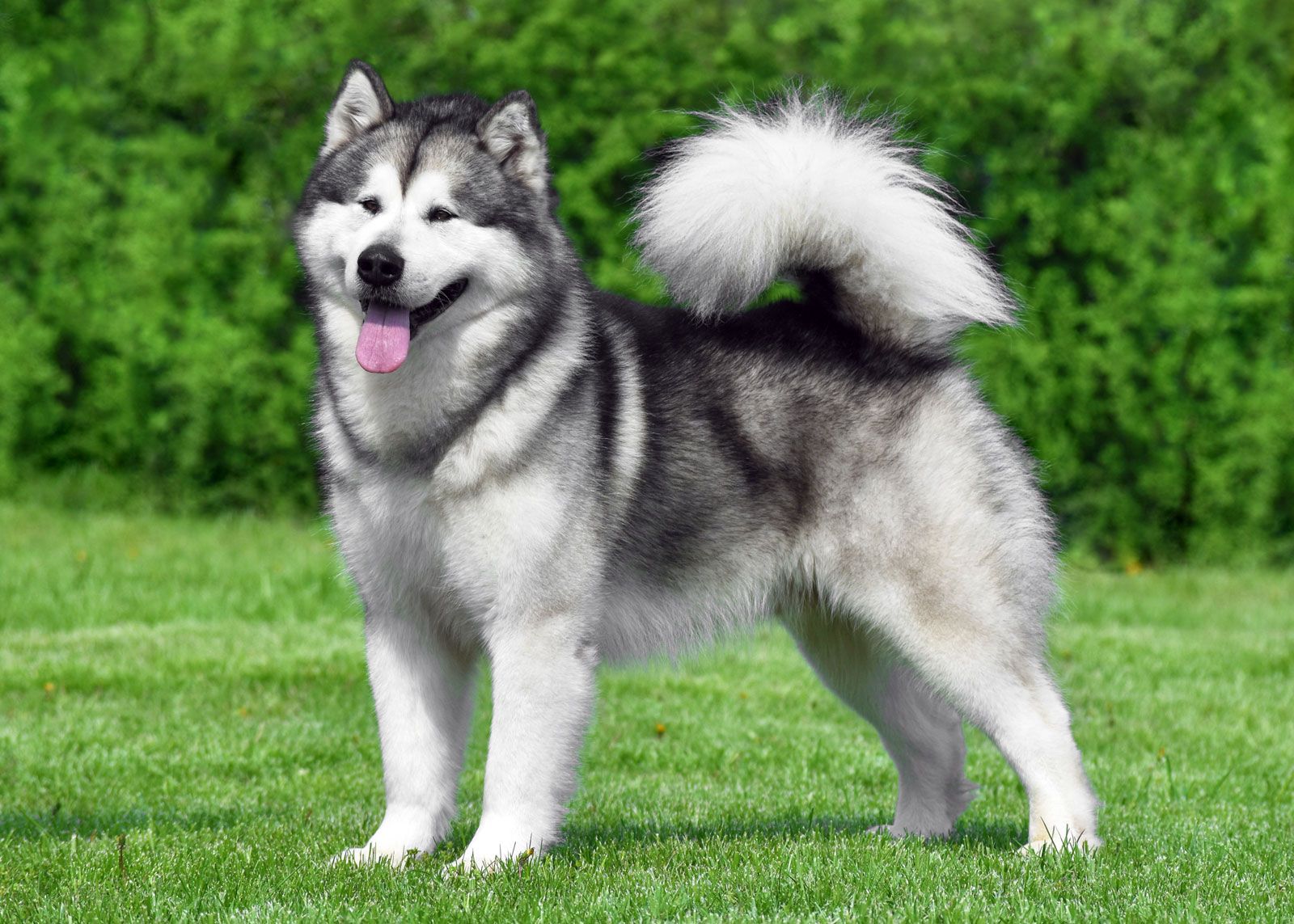
Majestic Alaskan Malamute in their element - powerful sled dogs bred for Arctic conditions 🔬 What Makes a Dog Breed Hypoallergenic?↑ Back to MenuUnderstanding hypoallergenic qualities requires knowledge of what triggers allergic reactions. Dog allergies are primarily caused by proteins found in dander (microscopic flakes of dead skin), saliva, and urine. These allergens become airborne and settle on surfaces throughout your home. 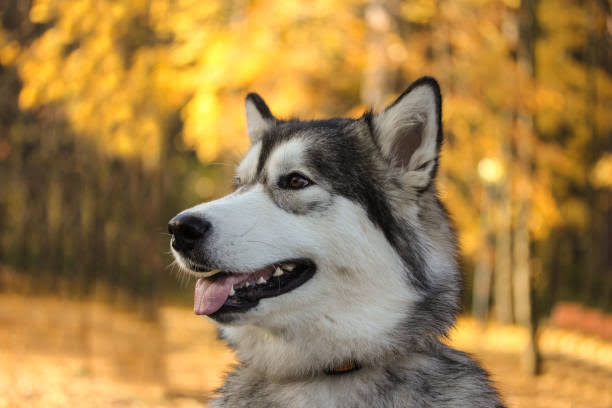
Beautiful facial features of an Alaskan Malamute - their thick coat extends everywhere Truly hypoallergenic breeds share several characteristics. They typically have single-layer coats that shed minimally, produce less dander, and possess hair rather than fur. Breeds like Poodles, Portuguese Water Dogs, and Bichon Frises exemplify these qualities. Their coat structure traps dander close to the skin rather than releasing it into the air. 🐩 However, it's essential to recognize that no dog breed is 100% hypoallergenic. Even low-shedding breeds produce some allergens. The designation "hypoallergenic" indicates breeds that are significantly less likely to trigger allergic reactions, not breeds that guarantee zero allergic response. ❌ Why Alaskan Malamutes Are NOT Hypoallergenic↑ Back to MenuAlaskan Malamutes possess several characteristics that make them particularly challenging for allergy sufferers. Understanding these factors helps prospective owners make informed decisions. The Double-Coat Challenge 🧥Alaskan Malamutes have a thick double coat specifically designed for Arctic survival. The outer guard coat consists of coarse, longer hairs that repel water and protect against harsh elements. Beneath this lies an extremely dense, woolly undercoat that provides insulation against freezing temperatures. 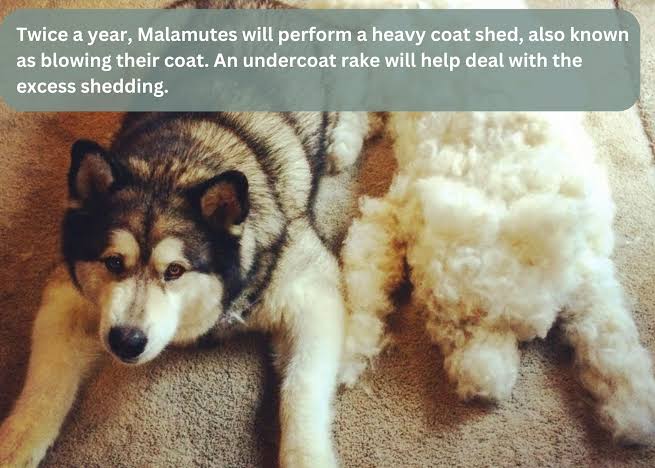
The reality of Malamute ownership - significant shedding throughout the year This magnificent coat, while essential for their historical working role, creates substantial allergen production. The undercoat sheds continuously, releasing clouds of fine hair and dander into your living environment. During spring and fall, Malamutes experience dramatic seasonal "blowouts" where they shed their entire undercoat over several weeks. 🌸🍂 Dander Production 💨The extensive surface area of a Malamute's skin, combined with their substantial size (males typically weigh 85-100 pounds or 38-45 kg), means they produce considerable amounts of dander. Every hair that falls carries dander particles, and with the volume of shedding these dogs experience, allergen levels in the home can become quite high. Size Matters 📏Alaskan Malamutes are large, powerful dogs standing 23-25 inches (58-64 cm) at the shoulder. Their size means more skin surface area, more coat to shed, and consequently, more allergen production compared to smaller breeds. 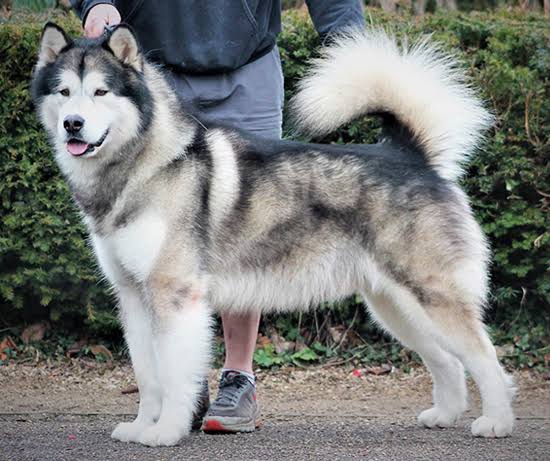
Impressive size of an Alaskan Malamute - substantial dogs with equally substantial coats 🤧 Living with Malamutes When You Have Allergies↑ Back to MenuWhile Alaskan Malamutes aren't recommended for individuals with significant dog allergies, some people with mild sensitivities have successfully managed to live with these magnificent dogs. Success requires commitment, consistent management strategies, and realistic expectations. Breed Characteristics 🐾Size Large: 75-100 lbs (34-45 kg)
Height 23-25 inches (58-64 cm)
Coat Type Thick Double Coat
Shedding Level ⭐⭐⭐⭐⭐ Heavy
Dander Production ⭐⭐⭐⭐⭐ Very High
Hypoallergenic ❌ No
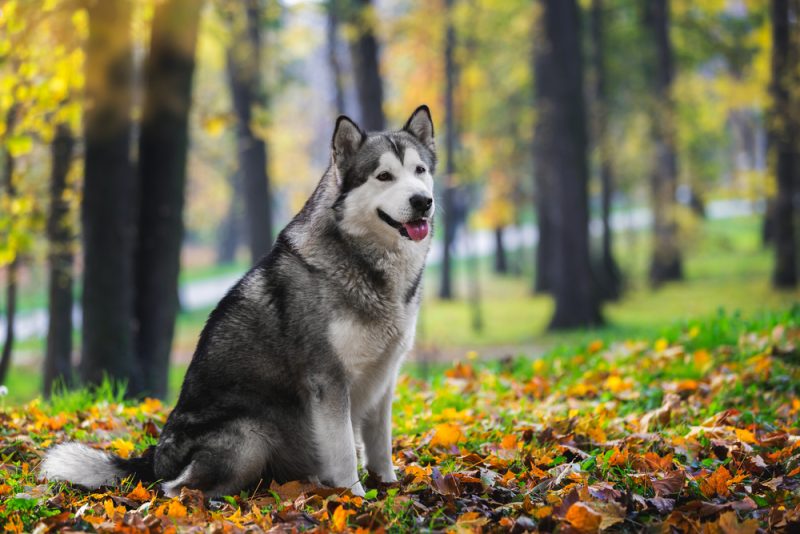
Alaskan Malamute enjoying nature - their coat adapts beautifully to seasonal changes Management Strategies for Mild Allergies 🏠If you're determined to share your life with an Alaskan Malamute despite mild allergies, consider implementing these comprehensive strategies: Environmental Controls: Invest in high-quality HEPA air purifiers for multiple rooms, particularly bedrooms and main living areas. These devices capture airborne allergens effectively. Establish dog-free zones, especially sleeping areas, to provide allergen-reduced sanctuaries. Remove carpeting if possible, as hard floors prevent allergen accumulation and facilitate easier cleaning. 🌬️ Cleaning Protocols: Vacuum daily using machines equipped with HEPA filters. Regular washing of dog bedding, blankets, and any fabric items your Malamute contacts helps minimize allergen buildup. Wash your hands thoroughly after petting your dog and before touching your face. Grooming Regimen: Brush your Malamute outdoors daily to remove loose hair and dander before it enters your home. Professional grooming every 6-8 weeks can help manage the coat more effectively. Never have the allergy sufferer perform grooming tasks, as this exposes them to concentrated allergen levels. 🔍 Explore Your Options with True Hypoallergenic BreedsWhile Alaskan Malamutes are wonderful dogs, they may not be suitable for allergy sufferers. If you're looking for a canine companion that won't trigger your allergies, our breed selector can help you discover dogs that truly are hypoallergenic and match your lifestyle perfectly. Take our quick quiz and discover which hypoallergenic breeds align with your needs! 🔄 Hypoallergenic Alternatives to Alaskan Malamutes↑ Back to MenuFor those drawn to the Malamute's impressive presence and loyal nature but requiring a hypoallergenic option, several breeds offer similar qualities with significantly reduced allergen production. 🐶
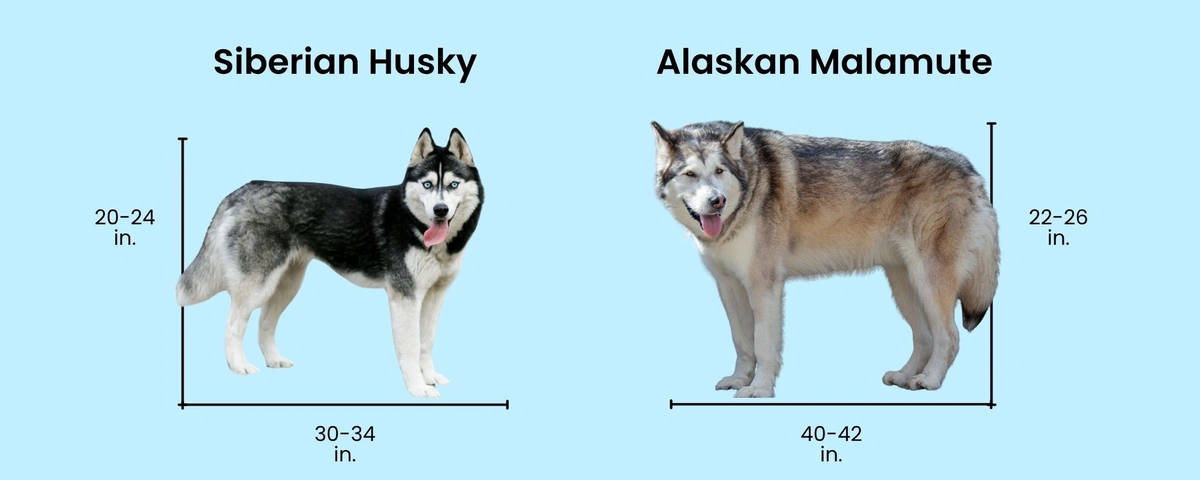
Size comparison showing the substantial build of Alaskan Malamutes Standard Poodles offer remarkable intelligence and athleticism in a hypoallergenic package. Despite their refined appearance, they're hardy, versatile dogs originally bred as water retrievers. Their single-layer, curly coat traps dander effectively and requires regular grooming but sheds minimally. Portuguese Water Dogs share the Malamute's working dog heritage and devotion to their families. These medium-to-large dogs possess boundless energy and intelligence, making them excellent companions for active households. Their wavy or curly coat is hypoallergenic and water-resistant. 🌊 Giant Schnauzers provide impressive size combined with hypoallergenic qualities. These powerful, protective dogs were originally bred for driving cattle and guarding property. They're intelligent, trainable, and form strong bonds with their families. Their wiry coat requires regular professional grooming but produces minimal shedding. Bouvier des Flandres most closely matches the Malamute's substantial size and working dog temperament. Originally farm dogs from Belgium, these powerful canines possess calm, steady personalities and protective instincts. Their thick, tousled coat is surprisingly hypoallergenic despite its density, requiring consistent grooming to prevent matting. 🐕 ❄️ Understanding the Malamute's Coat and SheddingThe Alaskan Malamute's coat structure directly impacts allergen production. The double coat consists of coarse outer guard hairs and an extremely dense, soft undercoat. The outer layer repels water and ice, while the thick undercoat provides insulation in freezing temperatures. Moderate shedding occurs year-round, with visible hair accumulation daily. Twice annually, Malamutes experience dramatic seasonal "blowouts" when the entire undercoat sheds over 3-6 weeks. During peak shedding, owners can fill multiple garbage bags with shed fur. 😱 Every shed hair carries dander and dried saliva containing allergenic proteins. Fine undercoat hairs remain airborne longer and penetrate fabric fibers, embedding in upholstery and clothing where they resist removal even with vigorous vacuuming. This makes allergen management particularly challenging. 🤧 🏔️ Temperament: Is the Malamute Right for You?Beyond allergy considerations, understanding Malamute temperament ensures compatibility with your household. Malamutes are intensely social pack dogs who crave constant companionship. They suffer when left alone for extended periods and need involvement in family activities. This pack orientation makes them generally excellent with children when properly socialized, though supervision is always required. 👶 These dogs possess keen intelligence but apply it independently. They evaluate whether commands make sense before complying—a trait stemming from their heritage as decision-making sled dogs. Training requires patience and positive reinforcement; harsh corrections backfire. Most Malamutes never achieve reliable off-leash recall due to strong prey drive and independent spirit. 🎓 Significant prey drive toward small animals is characteristic of the breed. Squirrels, cats, rabbits, and small dogs trigger intense chasing instincts. Secure 6-foot fencing with buried barriers prevents escape attempts—these athletic dogs easily clear 4-foot fences or dig underneath them. 🐿️ 💪 Exercise Requirements and Climate NeedsAlaskan Malamutes require substantial daily exercise—minimum 1-2 hours of vigorous activity. Ideal exercises include pulling sleds or wheeled rigs, hiking with weighted backpacks, swimming, and play with other large dogs. Mental stimulation through puzzle toys and training sessions matters equally. Insufficient exercise leads to destructive behavior and excessive vocalization. 🏃 Heat poses serious danger for these Arctic-adapted dogs. Their dense insulation makes hot weather potentially fatal without precautions. In warm climates, exercise during cool morning/evening hours and air conditioning become essential. Watch for overheating signs: excessive panting, drooling, lethargy, bright red gums. Conversely, Malamutes thrive in winter, often preferring to sleep outdoors in subfreezing temperatures. ☀️❄️ 💡 Tips for Current and Prospective Malamute Owners↑ Back to MenuThe Reality of Malamute Ownership 🏔️Alaskan Malamutes are extraordinary dogs with remarkable qualities that extend far beyond their hypoallergenic status (or lack thereof). These are ancient Arctic dogs bred for strength, endurance, and companionship with humans. They're affectionate, playful, and form deep bonds with their families. 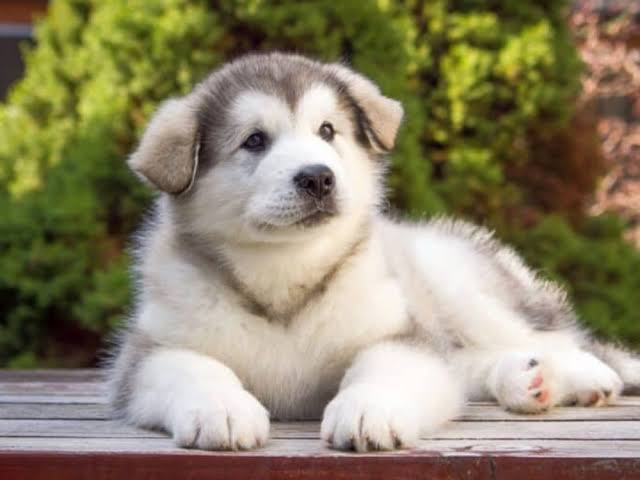
Irresistibly cute Malamute puppy - they grow quickly into powerful adults ✅ Wonderful Qualities
⚠️ Important Considerations
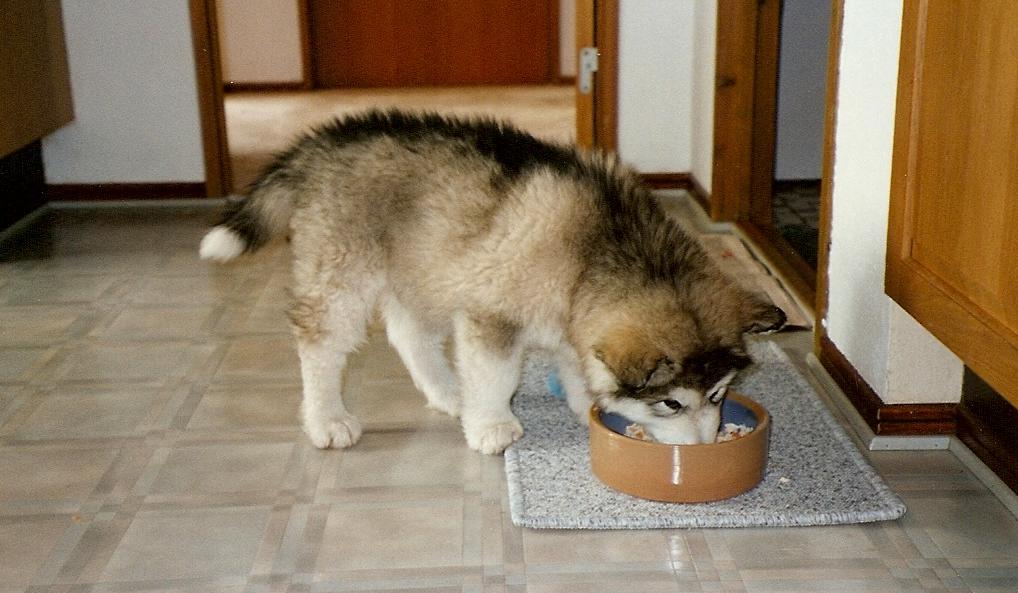
Growing Malamute puppy enjoying a meal - they have hearty appetites Daily Life with a Malamute 🌟Expect to dedicate significant time to exercise and mental stimulation. Malamutes were bred to pull heavy loads across vast Arctic distances; this heritage translates into substantial exercise needs. Daily walks, runs, hiking, or pulling activities keep them physically satisfied and mentally content. Without adequate exercise, they may become destructive or develop behavioral issues. 🏃 Grooming becomes part of your daily routine. Beyond the aesthetic considerations, regular brushing distributes natural oils, prevents matting, and allows you to monitor your dog's skin health. During shedding season, you'll collect enough fur to stuff a pillow—literally. Many Malamute owners joke about their dogs providing a renewable resource of fur! 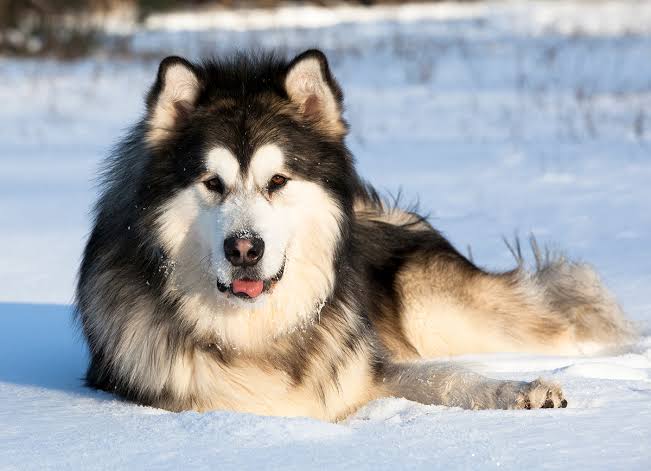
A happy Malamute in their favorite environment - cold, snowy weather Nutrition and Healthcare 🥩Large, active dogs require quality nutrition in substantial quantities. Adult Malamutes typically consume 3-5 cups of high-quality dog food daily, divided into two meals. Monthly food costs can range from $60-100 depending on the brand and your dog's individual needs. Regular veterinary care, including annual check-ups, vaccinations, and preventive medications, ensures your Malamute's health. Hip dysplasia screening is particularly important, as this condition affects some Malamutes. Responsible breeders perform health testing on breeding stock to minimize hereditary issues. 🏥 Common Health Considerations 🩺Alaskan Malamutes generally enjoy good health with 10-14 year lifespans. Hip dysplasia occurs with some frequency; reputable breeders screen breeding stock through OFA or PennHIP evaluations. Hypothyroidism appears more commonly than in some breeds but is easily managed with daily medication once diagnosed. 🏥 Progressive Retinal Atrophy (PRA) and inherited polyneuropathy affect some lines. Responsible breeders conduct genetic testing to avoid breeding affected dogs. Bloat poses life-threatening risk for deep-chested breeds. Feed multiple smaller meals, avoid exercise immediately after eating, and familiarize yourself with emergency symptoms: restless pacing, unsuccessful vomiting attempts, distended abdomen. ⚠️ 🛁 Grooming for Allergen ManagementStrategic grooming significantly impacts allergen levels for households managing Malamutes despite allergies. Daily outdoor grooming sessions (15-20 minutes) prevent massive allergen introduction indoors. During seasonal blowouts, sessions may extend to 45-60 minutes. Use undercoat rakes or de-shedding tools, working systematically from head to tail. Pay attention to dense areas: neck ruff, chest, hindquarters, and tail. 🌳 Professional grooming every 6-8 weeks provides substantial allergen reduction. Services include de-shedding shampoo, high-velocity drying that removes loose undercoat, and comprehensive brushing. Never shave a Malamute's coat—the double coat provides essential temperature regulation year-round. 💈 Bathe every 6-8 weeks normally, with additional baths during heavy shedding if needed. Excessive bathing strips oils and increases dander production. Use quality dog shampoo and rinse extremely thoroughly—soap residue irritates skin. High-velocity dryers blast out massive amounts of loose undercoat while drying. 🚿 🎓 Selecting a Responsible Breeder or RescueIf you decide to bring an Alaskan Malamute into your life, choosing the right source protects both you and your future dog. Responsible breeders prioritize health, temperament, and breed preservation over profit. Quality breeders provide comprehensive health testing documentation for parent dogs, including hip certifications, eye examinations, and genetic condition testing. They raise puppies in their homes with extensive socialization. Be wary of breeders who always have puppies available or cannot provide health documentation. Expect to pay $1,500-3,000 for a well-bred puppy from health-tested parents. Adopting an adult Malamute through rescue provides advantages for allergy sufferers: the dog's personality, size, and coat characteristics are fully developed. Rescue organizations often allow trial periods, letting you assess allergy response before finalizing adoption. Adoption fees typically range from $300-600, often including spay/neuter surgery and vaccinations. 💚 🧪 Testing Before Adopting an Alaskan Malamute↑ Back to MenuIf you're considering an Alaskan Malamute despite allergy concerns, thorough pre-adoption testing is absolutely essential. This process protects both you and the potential dog from the heartbreak of needing to rehome due to unforeseen allergic reactions. 💔 
Majestic Malamute in mountainous terrain - these dogs thrive in outdoor adventures Comprehensive Testing Protocol 📋Step 1: Medical Consultation. Schedule an appointment with an allergist to confirm your specific allergen triggers. Not all "dog allergies" are identical; you might react to particular proteins that vary in concentration among individual dogs. Skin prick tests or blood tests can identify your specific sensitivities. Step 2: Extended Exposure. Spend multiple sessions with Alaskan Malamutes in various environments. Visit breeders or owners and spend at least 2-3 hours per visit. Pet the dogs, allow them to lick you (saliva contains allergens), and let them sit near you. One brief encounter won't trigger delayed allergic responses that might appear after prolonged exposure. 🕐 Step 3: Home Environment Testing. If possible, have Malamute fur or bedding brought into your home. Place it in areas where you spend significant time. Monitor your reactions over several days. Some allergists can provide controlled allergen samples for home testing. Step 4: Seasonal Consideration. Remember that shedding intensifies during spring and fall. If you're testing during winter or summer, your allergic response might differ during heavy shedding periods. Ideally, test during multiple seasons before committing. ⚠️ Important Reality CheckBe absolutely honest with yourself about your allergic responses. Wanting a Malamute doesn't make your allergies disappear. Mild discomfort during short visits often escalates to significant suffering when living together 24/7. Consider your quality of life and the dog's wellbeing equally. If testing reveals concerning reactions, exploring truly hypoallergenic breeds demonstrates wisdom, not defeat. 💚 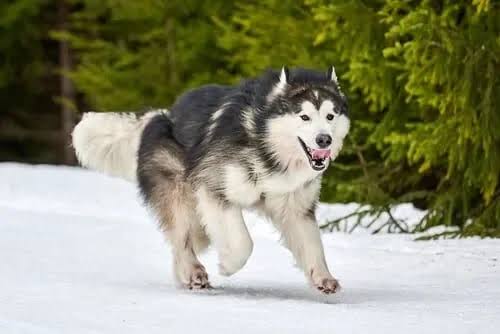
Alaskan Malamute in full stride through winter forest - built for power and endurance 🌨️ The Malamute's Arctic HeritageUnderstanding the Alaskan Malamute's background illuminates why their coat—and consequently their allergen production—is so substantial. These dogs descend from ancient Arctic sled dogs developed by the Mahlemut Inuit people of Alaska's Kotzebue Sound region thousands of years ago. 🛷 Survival in one of Earth's harshest environments demanded specific physical adaptations. The double coat that challenges allergy sufferers today was literally a life-saving feature for these working dogs. Temperatures plummeting to -50°F (-45°C) required exceptional insulation. The dense undercoat trapped body heat while the weather-resistant outer coat shed ice and snow. 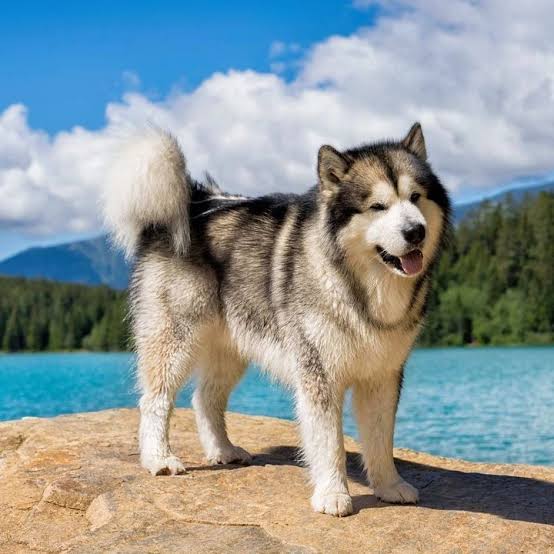
Peaceful Malamute enjoying lakeside scenery - they appreciate both activity and calm moments Malamutes were bred as freight haulers rather than racing dogs, distinguishing them from their smaller cousin, the Siberian Husky. They pulled heavy loads slowly and steadily across vast distances. This heritage manifests in their substantial build, incredible strength, and methodical temperament. Their coat's thickness directly correlates with their ability to work for hours in brutal Arctic conditions. 💪 ❓ Frequently Asked Questions↑ Back to MenuAre Alaskan Malamutes hypoallergenic dogs?No, Alaskan Malamutes are definitively not hypoallergenic. They possess thick double coats that shed heavily year-round, with particularly intense shedding during spring and fall. This extensive shedding releases substantial amounts of dander and allergen-carrying fur into the environment, making them unsuitable for most allergy sufferers. Their large size and dense coat make them one of the least hypoallergenic dog breeds available. How much do Alaskan Malamutes shed? 🌪️Alaskan Malamutes are extremely heavy shedders. They shed moderately throughout the year and experience dramatic seasonal "blowouts" twice annually (typically spring and fall) when they shed their entire undercoat over several weeks. During these periods, you'll find fur everywhere—on furniture, clothing, floors, and floating through the air. Daily brushing is essential, and even then, managing the fur becomes a significant household task. Many owners describe it as "living in a snowstorm of fur" during peak shedding season. Can people with dog allergies live with Alaskan Malamutes?Generally, this is not recommended. Individuals with moderate to severe dog allergies will likely experience significant symptoms when living with a Malamute. However, some people with very mild allergies have successfully managed by implementing strict protocols: daily grooming outdoors, HEPA air purifiers throughout the home, dog-free sleeping areas, frequent vacuuming, and sometimes allergy medications. Success requires tremendous commitment and realistic expectations. Anyone considering this path should conduct extensive testing before adopting. What dog breeds are similar to Malamutes but hypoallergenic? 🐩Standard Poodles, Portuguese Water Dogs, Giant Schnauzers, and Bouvier des Flandres offer some similar qualities to Malamutes while being significantly more hypoallergenic. Standard Poodles provide intelligence and athleticism; Portuguese Water Dogs share working dog heritage and loyalty; Giant Schnauzers offer large size and protective instincts; Bouvier des Flandres deliver power and devotion. While no breed perfectly replicates the Malamute's unique character, these alternatives allow allergy sufferers to enjoy large, loyal companion dogs without the allergen challenges. How often should you groom an Alaskan Malamute? ✂️Daily brushing is recommended year-round, with even more intensive grooming during shedding season (spring and fall). Use an undercoat rake or de-shedding tool to reach through the dense outer coat and remove loose undercoat effectively. Professional grooming every 6-8 weeks helps manage the coat's condition. Never shave a Malamute's coat, as their double coat provides both insulation and cooling. Grooming should always occur outdoors when possible to minimize indoor allergen distribution. Regular nail trimming, ear cleaning, and dental care complete comprehensive grooming care. Do Alaskan Malamutes produce more dander than other breeds?Yes, Alaskan Malamutes produce significantly more dander than many other breeds due to several factors: their large size means more skin surface area producing dander; their dense double coat traps dander which is then released during shedding; and the heavy shedding itself distributes dander throughout the environment constantly. Each shed hair carries dander particles, and with the volume of fur Malamutes lose, allergen levels in homes with these dogs tend to be quite high compared to homes with low-shedding or single-coated breeds. What's the difference between Alaskan Malamutes and Siberian Huskies regarding allergies? 🐺Both breeds are similarly non-hypoallergenic, but Alaskan Malamutes typically pose greater allergy challenges due to their larger size and denser coat. Malamutes (75-100 lbs) are substantially bigger than Siberian Huskies (35-60 lbs), meaning more surface area producing dander and a thicker undercoat shedding more fur. While both breeds shed heavily twice yearly and maintain moderate shedding year-round, the Malamute's greater mass and coat density generally result in higher allergen production. Neither breed is suitable for individuals with dog allergies. Are there any low-shedding Alaskan Malamutes? 🤔No. Heavy shedding is an inherent breed characteristic of all Alaskan Malamutes, essential to their breed standard and function. The dense double coat that causes heavy shedding is not a variable trait that can be minimized through breeding—it's fundamental to the breed's identity and historical purpose. Any Malamute advertised as "low-shedding" or "hypoallergenic" would be misrepresented. If you require a low-shedding dog, an Alaskan Malamute is simply not the appropriate breed choice. Consider genuinely hypoallergenic breeds instead. 🎯 Making the Right DecisionAlaskan Malamutes are magnificent dogs—loyal, affectionate, intelligent, and strikingly beautiful. Their devotion to family, playful personalities, and impressive working heritage make them wonderful companions for the right homes. However, their suitability as pets must be evaluated honestly, particularly regarding allergies. 🏡 The reality is that Malamutes rank among the least hypoallergenic dog breeds available. Their heavy shedding, substantial dander production, and large size create challenging conditions for anyone with dog allergies. This doesn't diminish their value as dogs; it simply means they're not appropriate for everyone. Responsible dog ownership begins with honest assessment of compatibility. If you have allergies, acknowledging that a Malamute might not be your best choice demonstrates maturity and care—both for your own wellbeing and for the dog who deserves a permanent, loving home. Numerous wonderful breeds offer similar qualities in hypoallergenic packages. 💝 For those without allergies who can provide the exercise, grooming, training, and companionship these dogs require, Alaskan Malamutes offer incomparable rewards. Their ancient bond with humans, working spirit, and gentle nature with family members create deeply satisfying relationships. Just be prepared for fur—lots and lots of fur! 😊 🌟 Final ThoughtsChoosing the right dog breed is among the most important decisions you'll make as a pet owner. An Alaskan Malamute requires an active lifestyle, substantial time commitment, and acceptance of significant shedding. They thrive with experienced owners who understand Northern breed characteristics and can provide consistent leadership, socialization, and outlets for their energy. If this describes your situation and you don't have allergies, a Malamute can become an extraordinary life companion. If you have allergy concerns, exploring truly hypoallergenic alternatives shows wisdom and ensures happiness for both you and your future canine friend. 🐕 | |||||||||||||||||||||||||||||||
|
| |||||||||||||||||||||||||||||||
| Переглядів: 295 | | | |||||||||||||||||||||||||||||||

| Total comments: 0 | |