🐕 Are Dalmatians Hypoallergenic? No, here's why⚡ Quick Answer: No, Dalmatians are NOT considered hypoallergenic.Dalmatians have a short, dense coat that sheds year-round, producing significant amounts of dander and allergens. Despite their sleek appearance, they are actually moderate to heavy shedders that continuously release allergen-carrying hair and skin particles into their environment.
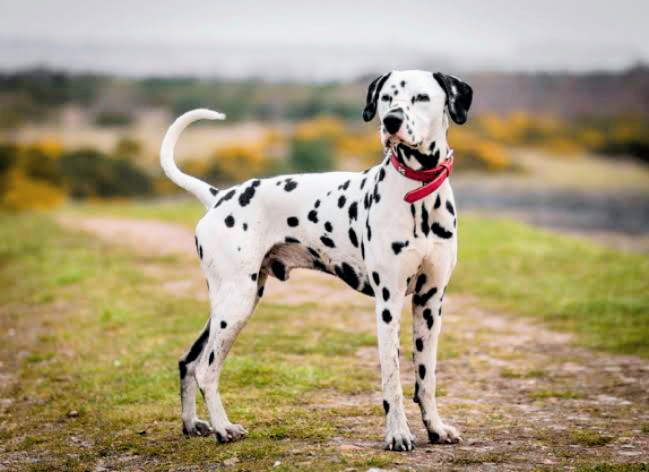
The iconic spotted Dalmatian – beautiful but not hypoallergenic 🔬 What Makes a Dog Breed Hypoallergenic?Understanding what makes a dog hypoallergenic is essential before considering any breed. The term "hypoallergenic" doesn't mean completely allergy-free, but rather refers to dogs that produce fewer allergens than typical breeds. 🐾 
Dalmatian's short coat may look low-maintenance, but it sheds constantly Key Factors That Determine Hypoallergenic PropertiesThe primary allergen in dogs is a protein called Can f 1, which is found in dog saliva, urine, and dander (dead skin cells). Truly hypoallergenic breeds share several important characteristics: Hypoallergenic Breed Characteristics ✨Minimal Shedding
Low to no hair loss reduces airborne allergens Low Dander Production
Less skin flaking means fewer allergen particles Single Coat
Hair rather than fur, similar to human hair Regular Grooming
Consistent maintenance removes allergens before spreading Breeds like Poodles, Portuguese Water Dogs, and Bichon Frises are considered hypoallergenic because their continuously growing hair doesn't shed in the traditional sense. Instead, loose hair gets trapped in their curly coats until it's brushed out, preventing widespread allergen distribution throughout your home. 🏠 ❌ Why Dalmatians Aren't HypoallergenicDalmatians possess several characteristics that make them unsuitable for allergy sufferers. While these spotted beauties are wonderful dogs in many ways, their coat properties work against anyone seeking a low-allergen companion. 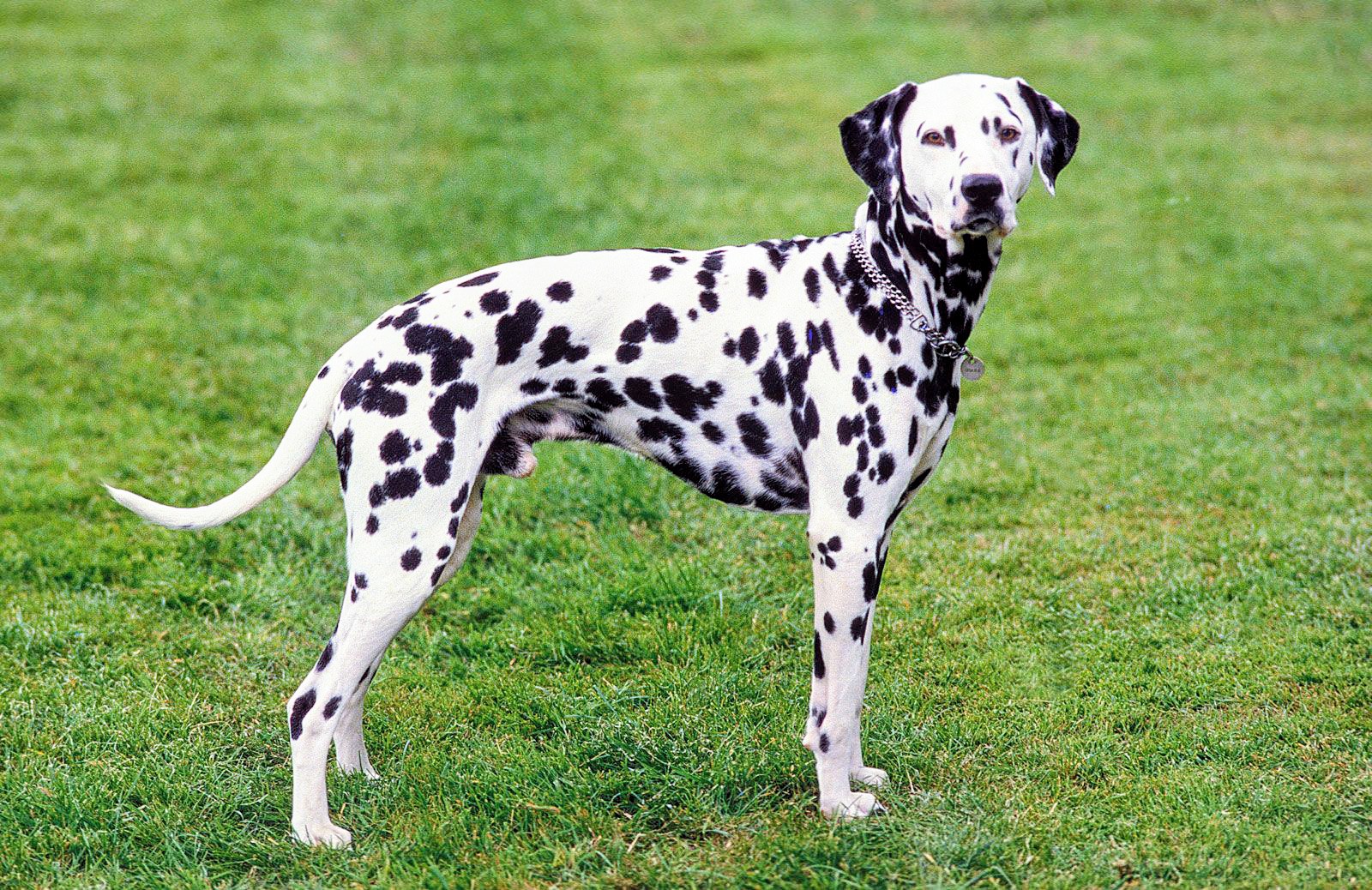
Dalmatians thrive outdoors but leave a trail of shed hair wherever they go The Shedding Reality 🌪️Despite having a short, sleek coat, Dalmatians are year-round shedders. Their fine, dense hairs shed continuously throughout all seasons, earning them a reputation among owners as "shedding machines." This constant hair loss means allergen-carrying dander is perpetually being released into your living environment. ⚠️ The Dalmatian Shedding PhenomenonDalmatian owners often joke that their dogs have two seasons: shedding and heavy shedding. The short, stiff hairs have a tendency to embed themselves in fabrics, carpets, and upholstery, making them particularly difficult to remove and creating persistent allergen reservoirs in your home. Dander ProductionDalmatians produce normal to high levels of dander. Their skin naturally sheds dead cells, which attach to their falling hair and become airborne. This combination of constant shedding plus regular dander production creates an environment rich in the Can f 1 protein that triggers allergic reactions. 🤧 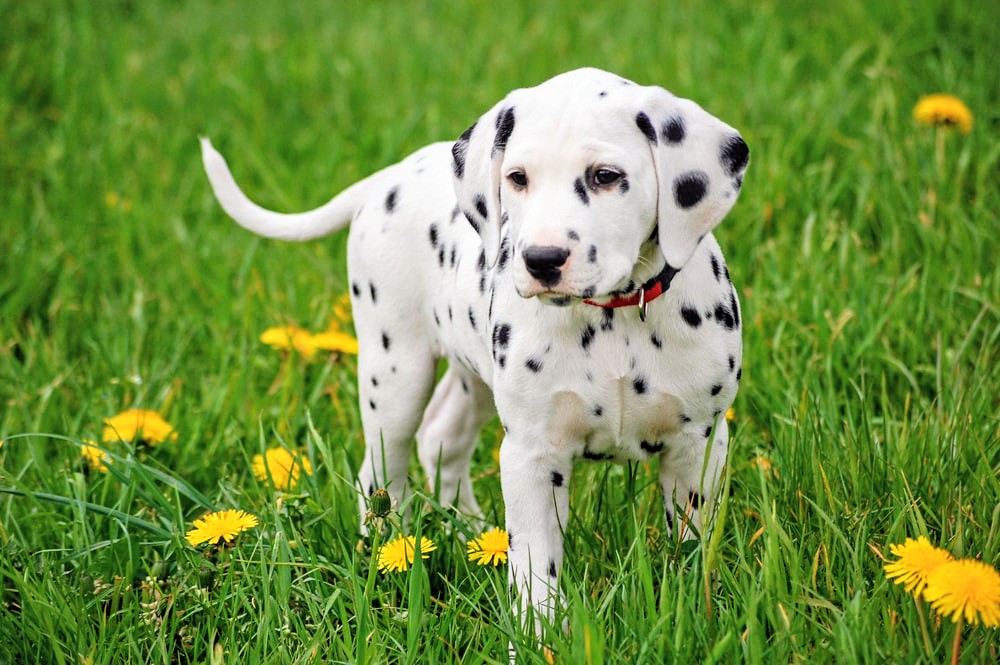
Even Dalmatian puppies begin their shedding journey early Coat Type and StructureDalmatians have a short, dense, double coat designed for protection and temperature regulation. Unlike hypoallergenic breeds with hair that grows continuously, Dalmatian fur follows a growth cycle that results in regular shedding. Each hair has a growth phase, rest phase, and shedding phase, meaning thousands of hairs are constantly being released. 🤧 Living with a Dalmatian When You Have AllergiesWhile Dalmatians aren't recommended for allergy sufferers, some people with mild allergies successfully live with them through dedicated management strategies. It's important to have realistic expectations and understand the commitment required. ❤️ 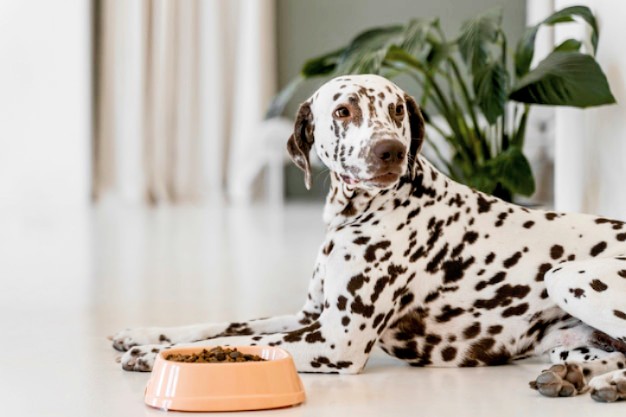
Proper nutrition can support coat health and potentially reduce excessive shedding ✅ Positive Aspects for Managing Allergies
⚠️ Challenges for Allergy Sufferers
Managing Allergies with a Dalmatian 🏠If you're determined to own a Dalmatian despite allergies, implementing a comprehensive management plan is essential. This requires daily commitment and may still not eliminate symptoms entirely. Essential Allergy Management StrategiesDaily Brushing
Remove loose hair outdoors before it spreads indoors Weekly Baths
Reduce dander accumulation on the coat HEPA Filtration
Air purifiers capture airborne allergens effectively Restricted Zones
Keep bedrooms and certain areas dog-free Regular Cleaning
Vacuum with HEPA filters multiple times weekly Medication Support
Consult allergist about antihistamines or immunotherapy 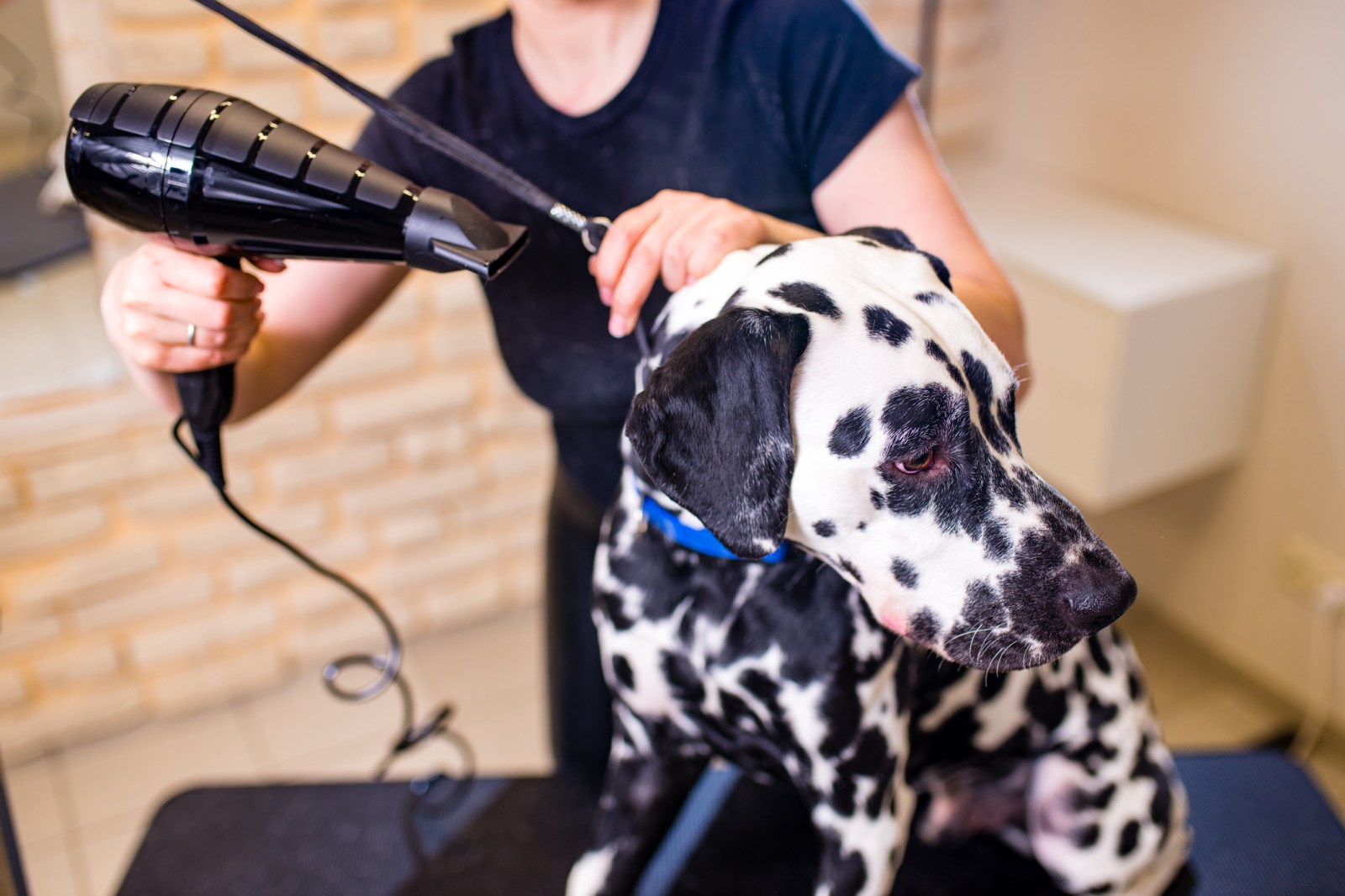
Professional grooming helps manage shedding but can't eliminate allergens 🔍 Searching for Your Ideal Hypoallergenic Match?If Dalmatians aren't the right fit due to allergies, finding a truly hypoallergenic breed that matches your lifestyle is crucial. Our specialized tool analyzes your specific needs, activity level, and allergy sensitivity to recommend the perfect low-allergen companions. Take our quick quiz and find allergy-friendly breeds tailored to your home! 🔄 Hypoallergenic Alternative Breeds to ConsiderIf you love the athletic, energetic personality of Dalmatians but need a hypoallergenic option, several breeds offer similar characteristics with significantly lower allergen production. These alternatives can provide the active companionship you seek without triggering allergic reactions. 🌟 
Dalmatians' playful, energetic nature can be found in hypoallergenic breeds too Comparison Table: Dalmatian vs. Hypoallergenic Alternatives
Best Hypoallergenic Matches for Dalmatian Lovers 🎯Standard Poodle: Highly intelligent, athletic, and playful, Standard Poodles match the Dalmatian's energy level while producing minimal allergens. Their non-shedding, curly coat traps dander effectively, and they excel in various activities from running to swimming. 🏊 Portuguese Water Dog: Originally bred for water work, these dogs share the Dalmatian's stamina and love for activity. They have a single-layer, non-shedding coat that's perfect for allergy sufferers who want an energetic, outdoorsy companion. Irish Water Spaniel: This rare breed offers exceptional athleticism and a distinctive curly, hypoallergenic coat. They're excellent swimmers and have the endurance to match Dalmatians in outdoor adventures. 🌊 Labradoodle: Combining the Labrador's friendly nature with the Poodle's hypoallergenic coat, Labradoodles are energetic, social, and produce minimal allergens, making them ideal family dogs for active households. 💡 Tips for Current and Prospective Dalmatian Owners with AllergiesWhether you already own a Dalmatian or are considering adopting one despite allergies, implementing strategic management techniques can help minimize allergic reactions. Success requires consistent daily effort and realistic expectations. 💪 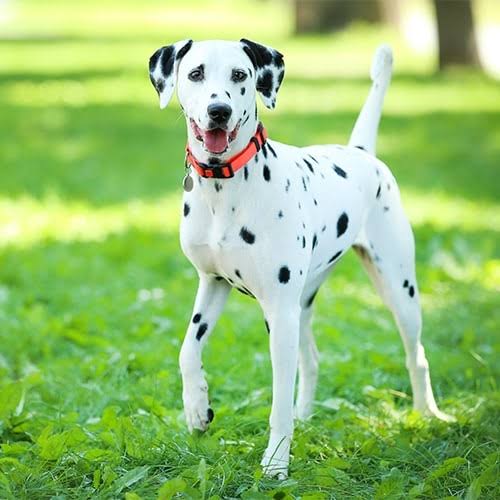
Outdoor grooming sessions help keep allergens outside your home Grooming and Hygiene Protocols ✂️Daily outdoor brushing is essential for managing a Dalmatian's shedding. Use a rubber curry brush or grooming mitt to remove loose hair before it enters your home. This single practice can reduce indoor allergen levels by up to 70% when done consistently. Weekly bathing with hypoallergenic dog shampoo removes accumulated dander from the coat. Always use lukewarm water and ensure thorough rinsing, as soap residue can irritate skin and increase dander production. Some allergy sufferers find that having a non-allergic family member handle bath time reduces their exposure. 🛁 🌟 Professional Grooming BenefitsConsider scheduling professional grooming every 4-6 weeks. Groomers have specialized equipment like high-velocity dryers and deshedding tools that remove far more loose hair than home grooming alone. This service, while an additional expense, can significantly reduce your daily allergen exposure. Home Environment Management 🏡Create allergen-free zones, particularly in bedrooms. Dalmatians should never sleep in or have access to these spaces. This ensures you have at least one area where allergen accumulation is minimal, providing relief during sleep and recovery time. Invest in HEPA air purifiers for main living areas. Place them in rooms where your Dalmatian spends the most time. These devices continuously filter airborne allergens, reducing overall exposure by capturing dander particles before they settle on surfaces. Choose hard flooring over carpets wherever possible. Dalmatian hair embeds deeply into carpet fibers, creating permanent allergen reservoirs. Hard surfaces allow for easy cleaning and don't trap allergens. If you have carpets, vacuum with a HEPA-filter vacuum at least three times weekly. 🧹 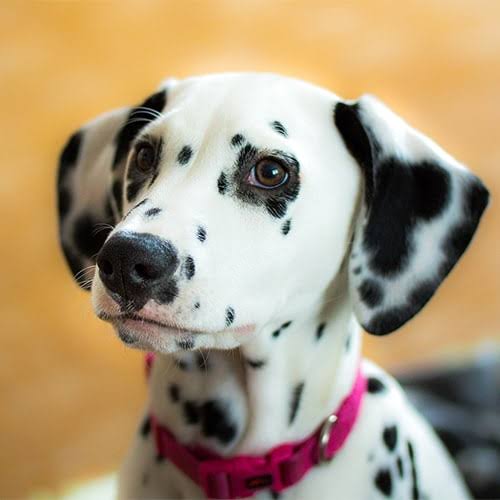
Those sweet faces make the extra effort worthwhile for dedicated Dalmatian lovers Personal Protection Strategies 🛡️Wash hands immediately after petting or playing with your Dalmatian. Avoid touching your face before washing, as this transfers allergens to your eyes, nose, and mouth—the primary entry points for allergic reactions. Change clothes after extended contact with your dog, especially before entering allergen-free zones. Keep a special set of "dog clothes" for grooming and play sessions. Medical consultation is crucial. Work with an allergist to develop a comprehensive treatment plan that may include antihistamines, nasal sprays, or immunotherapy. Some people find that allergy shots significantly reduce their sensitivity over time. 💊 Dietary and Health ConsiderationsA high-quality diet rich in omega-3 fatty acids can improve coat health and potentially reduce excessive shedding. Consult your veterinarian about supplements that support skin health, as healthier skin produces less dander. Ensure your Dalmatian receives adequate hydration and maintain appropriate humidity levels in your home (40-50%). Dry air increases skin flaking and dander production in both humans and dogs. 💧 🧪 Testing Before Adopting: Making an Informed DecisionBefore committing to a Dalmatian, it's crucial to conduct real-world exposure testing to determine if you can genuinely manage your allergies. This process protects both you and the potential dog from the heartbreak of a failed adoption. ❤️ Extended Exposure TestingSpend significant time with Dalmatians before adopting. A brief meet-and-greet isn't sufficient—allergic reactions often develop after extended or repeated exposure. Arrange to spend several hours with Dalmatians on multiple occasions over several weeks. Visit Dalmatian owners in their homes rather than meeting dogs in outdoor spaces. Home environments concentrate allergens, giving you a realistic preview of what living with a Dalmatian would entail. Notice how you feel after spending time in spaces where Dalmatians live. 🏠 Volunteer at shelters or rescues that have Dalmatians. This provides extended contact while performing typical care activities like feeding, walking, and grooming—all tasks you'd do as an owner. Monitor your symptoms throughout these visits and for several hours afterward. Medical Testing and Professional Guidance 🏥Schedule an appointment with an allergist for specific testing. Explain that you're considering adopting a Dalmatian. They can perform skin prick tests or blood tests to measure your sensitivity to dog allergens, particularly Can f 1 protein. Discuss preventive treatment options before adoption. Some allergists recommend starting immunotherapy or medication regimens before bringing a dog home, allowing your body to adjust gradually. ⚠️ Important Reality CheckBe honest with yourself about symptom severity. Mild itching or sneezing might be manageable with medication and environmental controls. However, if you experience difficulty breathing, severe asthma symptoms, or intense reactions, a Dalmatian isn't a safe choice regardless of how much you love the breed. Your health must come first. Foster-to-Adopt Programs 🤝Many rescues offer foster-to-adopt arrangements that allow you to bring a Dalmatian into your home temporarily. This provides the ultimate test—living with the dog full-time in your actual environment. You'll experience the reality of daily grooming, cleaning, and allergen management before making a permanent commitment. During a foster period, keep a symptom journal documenting your allergic reactions, their severity, and what management strategies help. This information proves invaluable for making your final decision and, if you proceed with adoption, guides your long-term allergy management plan. ❓ Frequently Asked QuestionsAre Dalmatians hypoallergenic?No, Dalmatians are not hypoallergenic. They are moderate to heavy shedders with a short, dense coat that sheds year-round. This constant shedding releases significant amounts of dander and allergen-carrying hair into the environment, making them unsuitable for most people with dog allergies. Do Dalmatians shed a lot?Yes, Dalmatians shed extensively throughout the entire year. Despite having short hair, they are continuous shedders, earning them a reputation as one of the heavier-shedding breeds. Their fine, stiff hairs tend to embed in fabrics and are difficult to remove, requiring daily grooming and frequent cleaning to manage. 🌪️ Can people with mild allergies live with Dalmatians?People with very mild allergies may be able to live with Dalmatians through intensive management, including daily outdoor grooming, weekly baths, HEPA air filtration, frequent home cleaning, and possible medication. However, this requires significant commitment and may still not eliminate symptoms entirely. It's essential to conduct extended exposure testing before adoption. 💊 What are good hypoallergenic alternatives to Dalmatians?Excellent hypoallergenic alternatives that share the Dalmatian's athletic and energetic nature include Standard Poodles, Portuguese Water Dogs, Irish Water Spaniels, and Labradoodles. These breeds offer similar energy levels and size while producing minimal allergens due to their non-shedding coats. 🎯 How often should you groom a Dalmatian to reduce allergens?Dalmatians require daily brushing (preferably outdoors) to remove loose hair before it spreads indoors, plus weekly baths to reduce dander accumulation. Professional grooming every 4-6 weeks with specialized deshedding tools can further minimize allergen levels. This intensive grooming schedule is essential but doesn't eliminate allergens completely. ✂️ Why do Dalmatians shed so much despite having short hair?Dalmatians have a dense double coat with fine hairs that follow continuous growth cycles. Hair length doesn't determine shedding amount—coat density and growth patterns do. Their short hairs constantly cycle through growth, rest, and shedding phases throughout the year, resulting in continuous hair loss regardless of season. 🔄 Are Dalmatian puppies less allergenic than adults?No, Dalmatian puppies are not less allergenic than adults. While they may initially produce less dander simply due to smaller size, they still carry the same allergen-producing proteins and begin shedding early in development. As puppies mature, their shedding and dander production increase to adult levels. Adopting a puppy doesn't reduce allergy risk. 🐾 Can air purifiers eliminate dog allergies from Dalmatians?HEPA air purifiers can reduce airborne allergens but cannot eliminate them entirely. They capture dander particles and hair floating in the air, decreasing overall allergen levels. However, allergens still accumulate on surfaces, furniture, and fabrics. Air purifiers are helpful as part of a comprehensive management strategy but aren't a complete solution on their own. 🌬️ Final Thoughts: Making the Right Choice for You 💭Dalmatians are magnificent dogs—intelligent, loyal, energetic, and undeniably striking with their iconic spotted coats. They make wonderful companions for active families and individuals who can meet their exercise and mental stimulation needs. However, their significant allergen production makes them incompatible with most allergy sufferers. The breed's year-round heavy shedding and normal-to-high dander production create an environment rich in Can f 1 proteins, the primary trigger for dog allergies. While some people with mild sensitivities might manage through intensive grooming, environmental controls, and medication, this requires daily commitment and offers no guarantee of symptom relief. If you love the Dalmatian's personality and athleticism but need a hypoallergenic option, several breeds offer similar characteristics without the allergen burden. Standard Poodles, Portuguese Water Dogs, and other low-shedding breeds can provide the active companionship you seek while respecting your health needs. 🌟 Ultimately, choosing a dog breed is a decision that should prioritize both your wellbeing and the dog's welfare. There's no shame in acknowledging that Dalmatians, despite their appeal, aren't the right match for your allergies. The perfect dog for you exists—one that allows you to enjoy companionship without compromising your health. ❤️ | |||||||||||||||||||||||||||||||||||||||||||
|
| |||||||||||||||||||||||||||||||||||||||||||
| Переглядів: 364 | | | |||||||||||||||||||||||||||||||||||||||||||

| Total comments: 0 | |