🐕 Are Great Pyrenean Mountain Dogs Hypoallergenic? No, here's why❌ Quick Answer: NO, Great Pyrenean Mountain Dogs are NOT hypoallergenic! Great Pyrenees possess a thick double coat that sheds heavily year-round, with particularly intense shedding during seasonal transitions. They produce substantial amounts of dander, saliva, and shed fur that contain the Fel d 1 protein—the primary allergen affecting most allergy sufferers. While these magnificent guardians offer countless wonderful qualities, their coat characteristics make them unsuitable for individuals with dog allergies.
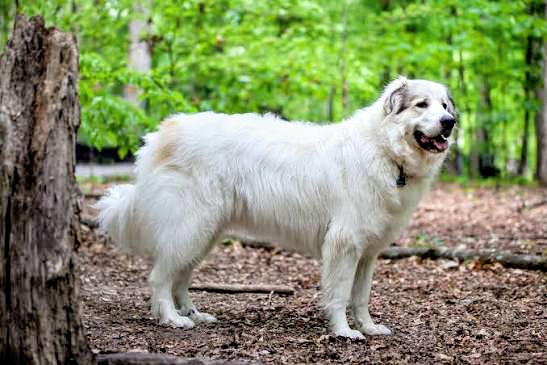
The majestic Great Pyrenees enjoying outdoor time 🏞️ 🔬 What Makes a Dog Breed Hypoallergenic?Understanding hypoallergenic dog breeds requires examining the sources of allergic reactions. The term "hypoallergenic" doesn't mean completely allergen-free; rather, it describes breeds that produce fewer allergens than typical dogs. 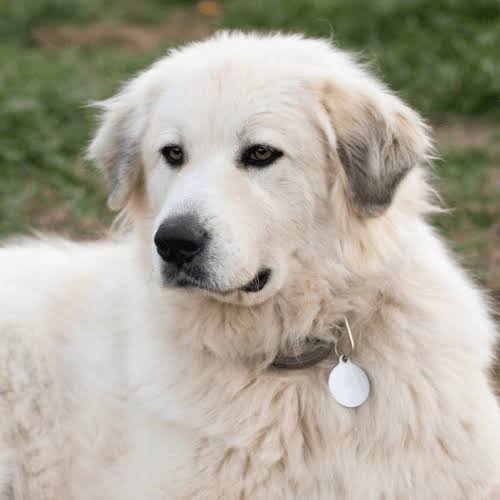
Beautiful portrait showcasing the breed's thick coat 📸 The primary allergen responsible for most dog allergies is a protein called Can f 1, found predominantly in dog saliva, dander (dead skin cells), and urine. When dogs groom themselves, this protein transfers to their fur. As fur sheds and dander becomes airborne, these allergens spread throughout living spaces. Key Characteristics of Hypoallergenic Breeds:🔒 Minimal Shedding Low to no shedding reduces allergen distribution
🧪 Less Dander Production Produces fewer skin cells
✨ Single Coat Hair instead of fur reduces allergen retention
💧 Lower Protein Levels Produces less Can f 1 protein
Truly hypoallergenic breeds typically possess single-layered coats that grow continuously like human hair, requiring regular grooming but shedding minimally. Examples include Poodles, Portuguese Water Dogs, and Bichon Frises. ❌ Why Great Pyrenean Mountain Dogs Are NOT Hypoallergenic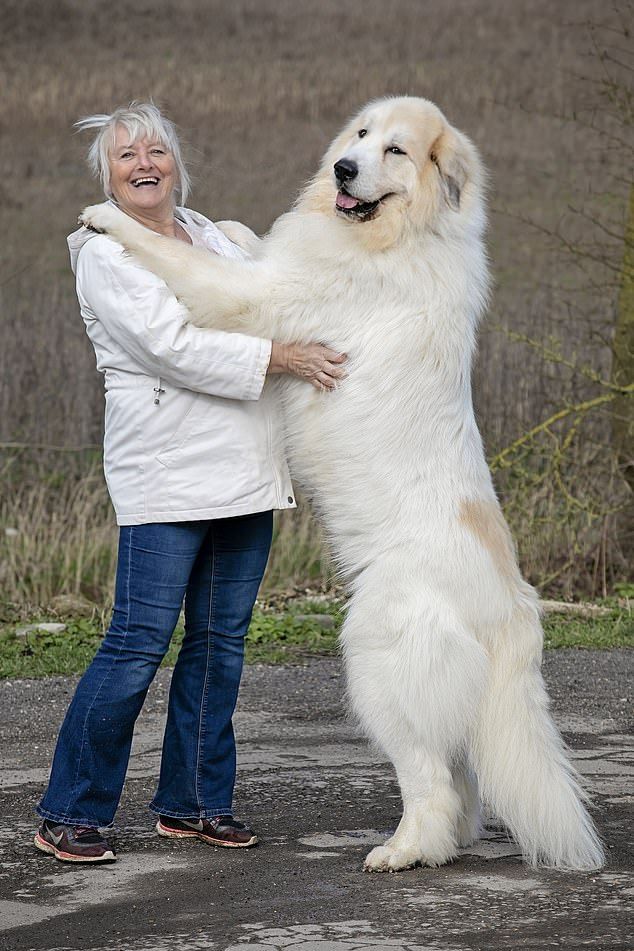
Size comparison showing the breed's impressive stature 📏 The Great Pyrenean Mountain Dog possesses several coat characteristics that make them particularly unsuitable for allergy sufferers. Understanding these factors helps prospective owners make informed decisions. The Double Coat Challenge 🌨️Great Pyrenees feature a weather-resistant double coat designed for their original purpose as livestock guardians in harsh mountain conditions. This coat consists of two distinct layers: a dense, soft undercoat providing insulation, and a longer, coarser outer coat offering protection from elements. While magnificent and functional, this double coat presents significant challenges for individuals with allergies. 🔴 Primary Allergen Concerns:Heavy Year-Round Shedding: Great Pyrenees shed continuously throughout the year, with dramatic increases during spring and fall coat transitions. During these "blowing coat" periods, they can lose undercoat in massive quantities, creating clouds of fur and dander. Substantial Dander Production: Their large size (85-160 lbs / 39-73 kg) combined with continuous skin cell regeneration means they produce considerable amounts of dander—the primary carrier of allergens. High Allergen Retention: The thick, fluffy texture of their coat traps and holds dander, saliva from self-grooming, and environmental particles. When they move, shake, or are petted, these allergens become airborne. Grooming Requirements: Regular brushing is essential but releases concentrated amounts of allergens into the air. Even professional grooming sessions can trigger severe allergic reactions. 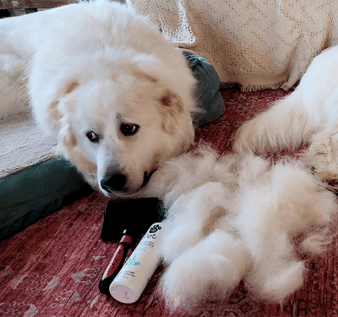
Professional grooming revealing the coat's density ✂️ 🤧 Living with Great Pyrenees When You Have AllergiesWhile Great Pyrenees are not recommended for allergy sufferers, some individuals with mild sensitivities successfully share their homes with these gentle giants by implementing comprehensive management strategies. 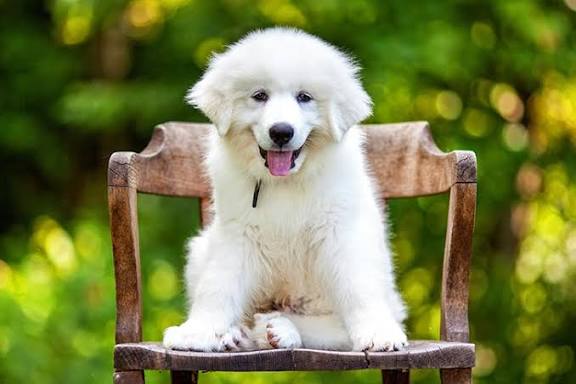
Even adorable puppies begin shedding early 🐾 ✅ Positive Aspects for Allergy Management
⚠️ Significant Challenges
🔍 Considering a Truly Hypoallergenic Companion?If allergies are a concern but you still dream of dog ownership, our specialized breed selector can match you with dogs that produce significantly fewer allergens while still offering wonderful companionship. Find breeds that match your lifestyle AND your allergy needs—takes just 2 minutes! Realistic Management Strategies 🏠For those determined to live with Great Pyrenees despite allergies, consider these intensive management approaches: Environmental Control: Invest in high-quality HEPA air purifiers for every room, particularly bedrooms. Install whole-house air filtration systems if possible. Replace carpeting with hard flooring throughout the home. Use allergen-proof covers on all upholstered furniture. Wash all bedding, curtains, and soft furnishings weekly in hot water. Grooming Protocol: Brush outdoors daily using specialized deshedding tools. Professional grooming every 4-6 weeks is essential. Bathe monthly using hypoallergenic shampoos. Consider hiring a professional groomer to minimize personal allergen exposure during intensive grooming sessions. Designated Spaces: Establish dog-free zones, especially bedrooms. Create outdoor living areas where your Great Pyrenees can comfortably spend significant time. Use baby gates to restrict access to certain rooms. 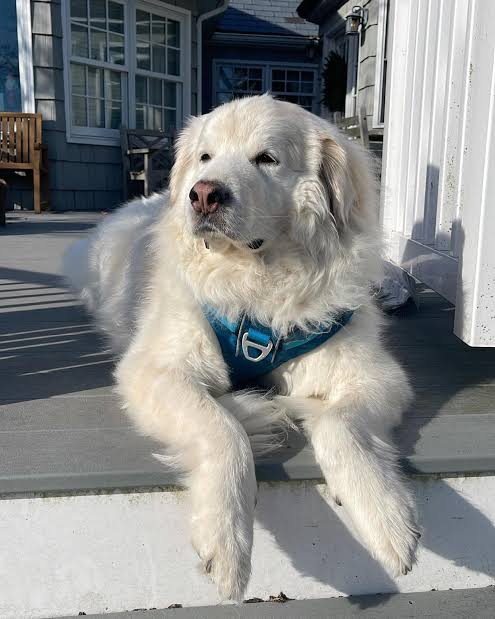
Even during rest, these gentle giants shed continuously 😴 🔄 Truly Hypoallergenic Alternative BreedsIf you're drawn to the protective, calm, and loyal nature of Great Pyrenees but require a hypoallergenic breed, consider these alternatives that offer similar temperamental qualities with significantly reduced allergen production: 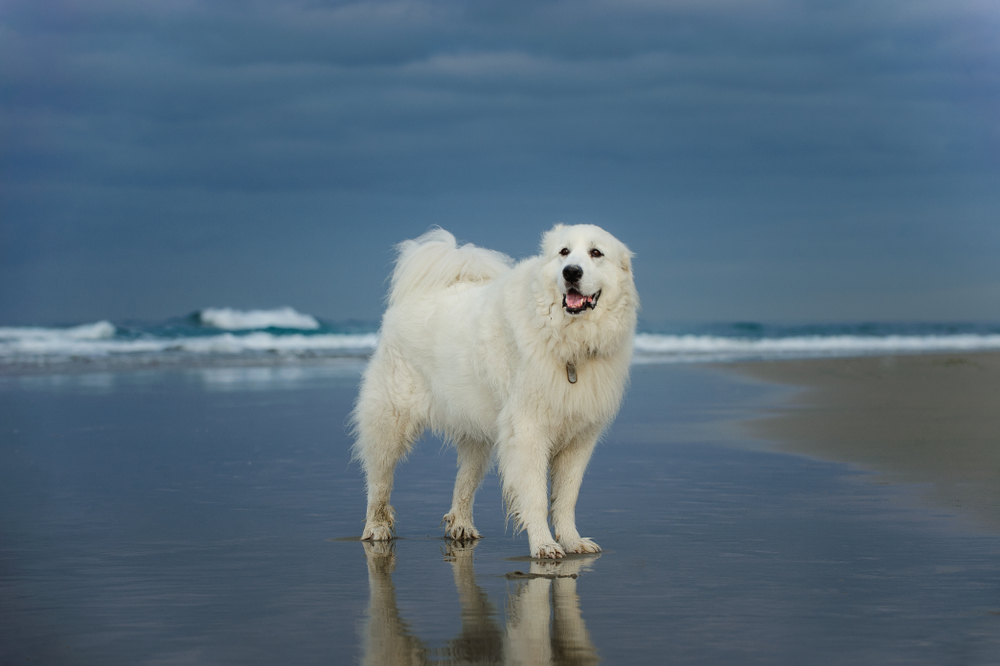
Coastal adventures highlight their impressive presence 🌊
🌟 Why These Alternatives Work:While no breed can perfectly replicate the Great Pyrenees' unique combination of size, temperament, and guardian instincts, these hypoallergenic options share important characteristics: loyalty, protective nature, calm demeanor, and trainability. Standard Poodles, despite their reputation as "fancy" dogs, were originally working retrievers with impressive intelligence and adaptability. Portuguese Water Dogs possess remarkable work ethic and devotion. Giant Schnauzers offer guardian capabilities with minimal shedding. Bouviers combine size and protective instincts with lower allergen production. 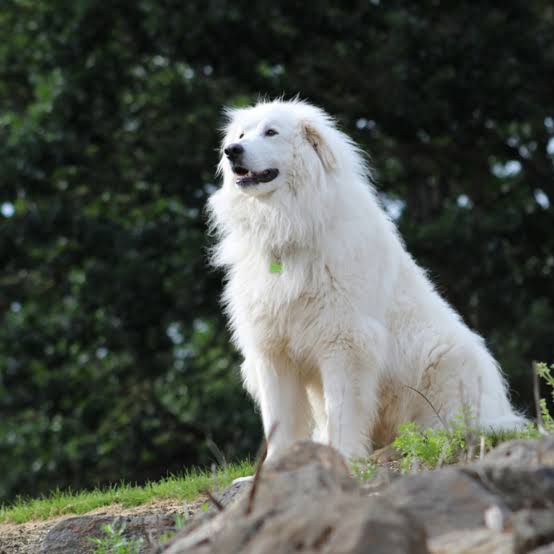
Watchful guardian surveying the surroundings 👁️ 💡 Essential Tips for Great Pyrenees Owners with Mild AllergiesIf you've already brought a Great Pyrenees into your home or are committed despite allergy concerns, these practical strategies can help minimize allergen exposure while maintaining quality of life for both you and your magnificent companion. 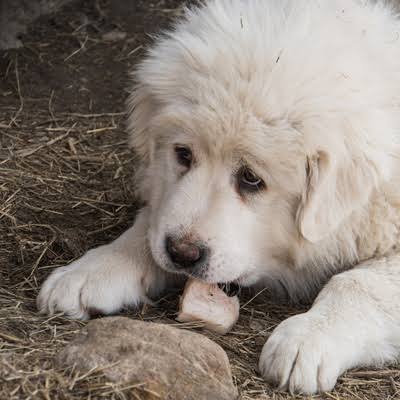
Mealtime for these gentle giants 🍽️ Daily Management Routine 📅Morning Protocol: Begin each day by running air purifiers on high settings. Quickly vacuum high-traffic areas using a HEPA-filtered vacuum. Wipe down surfaces where your Great Pyrenees rests with microfiber cloths dampened with water or pet-safe cleaning solutions. Take allergy medication as prescribed before prolonged dog interaction. Grooming Schedule: Establish outdoor brushing sessions daily, preferably when you can shower immediately afterward. Wear a mask and disposable gloves during grooming. Use a combination of slicker brushes, undercoat rakes, and deshedding tools. Consider professional grooming every 4-6 weeks to manage coat health and minimize home allergen buildup. Bathing Strategy: Bathe your Great Pyrenees monthly using hypoallergenic or oatmeal-based dog shampoos. Thoroughly rinse to remove all product residue, as leftover shampoo can increase dander production. Dry completely using a high-velocity pet dryer or towels (outdoor drying reduces indoor moisture and allergen dispersal). Home Environment Optimization 🏡Air Quality Management: Position multiple HEPA air purifiers strategically throughout your home, especially in rooms where your dog spends the most time. Change filters monthly during heavy shedding seasons. Open windows regularly for ventilation when pollen counts are low. Consider installing a whole-house air filtration system for comprehensive allergen control. Surface Management: Replace upholstered furniture with leather or vinyl alternatives that don't trap fur and dander. Remove carpeting if possible, particularly in bedrooms. Use washable area rugs that can be cleaned weekly. Wipe down walls, baseboards, and other surfaces monthly, as airborne dander settles everywhere. Fabric Care: Wash all bedding, throws, and curtains weekly in hot water. Use allergen-reducing laundry additives. Dry on high heat when fabric permits. Store seasonal clothing in sealed containers to prevent allergen accumulation. 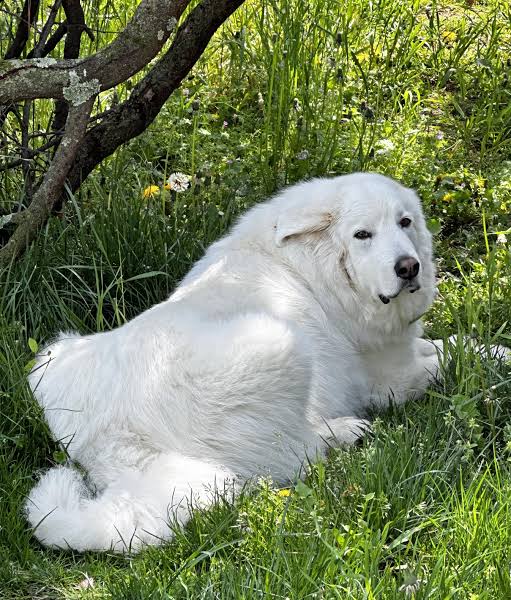
The characteristic gentle expression and thick coat 🤍 Personal Health Strategies 💊Medical Management: Consult with an allergist about immunotherapy (allergy shots) which can reduce sensitivity over time. Maintain consistent allergy medication schedules rather than waiting for symptoms to appear. Keep rescue medications readily available for acute reactions. Hygiene Practices: Wash hands thoroughly with soap after petting or handling your dog. Avoid touching your face during and immediately after dog interaction. Shower before bed to remove accumulated allergens from hair and skin. Change clothing after extended play or grooming sessions. Boundary Setting: Designate your bedroom as a strictly dog-free sanctuary. This ensures 6-8 hours of reduced allergen exposure nightly. Consider creating additional dog-free zones where you can retreat when symptoms flare. Use pet gates to maintain these boundaries consistently. 🧪 Allergy Testing Before Adopting a Great PyreneesBefore committing to Great Pyrenees ownership, comprehensive allergy testing is essential. This breed's significant allergen production means that allergic reactions can severely impact quality of life for both owner and dog if compatibility isn't assessed beforehand. 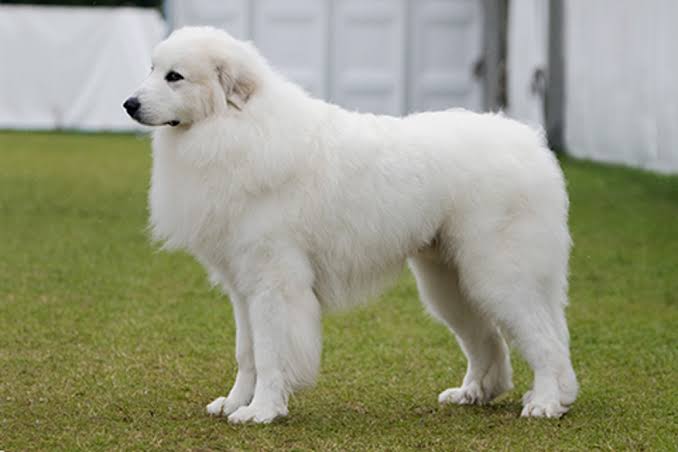
Enjoying the great outdoors where they thrive 🌲 Medical Testing Approaches 🔬Skin Prick Testing: Schedule an appointment with an allergist for comprehensive skin testing. This procedure involves exposing small skin areas to various allergens, including dog dander. Results appear within 15-20 minutes, showing immediate allergic reactions. Request specific testing for dog allergens (Can f 1, Can f 2, Can f 5) to understand your sensitivity level. Blood Testing (Specific IgE): Blood tests measure antibody responses to specific allergens. While less sensitive than skin testing, blood tests offer advantages for people with certain skin conditions or who cannot discontinue antihistamines. Results take several days but provide quantitative measures of sensitivity levels. Environmental Exposure Testing: After medical testing, arrange supervised exposure to Great Pyrenees in controlled settings. Visit breeders, rescue organizations, or friends who own the breed. Spend several hours in close contact, including petting, playing, and sitting in areas where the dog has been. Monitor for reactions over 24-48 hours following exposure, as some allergic responses are delayed. Practical Testing Protocol 📋Multiple Visit Strategy: Don't rely on a single interaction. Visit Great Pyrenees on three separate occasions, spending progressively longer periods (1 hour, 3 hours, full afternoon). Observe reactions during different seasons, as shedding intensity varies. Pay attention to cumulative effects—symptoms might worsen with repeated exposure. Home Environment Simulation: If possible, arrange an extended visit to a Great Pyrenees owner's home. Spend time in enclosed spaces where allergen concentration is highest. Participate in grooming activities to assess your reaction to direct coat contact. Sleep in a guest room where the dog has access to evaluate overnight exposure tolerance. ⚠️ Critical Warning Signs:Discontinue testing and reconsider Great Pyrenees ownership if you experience: severe respiratory distress, asthma attacks, extensive hives or skin reactions, persistent symptoms lasting more than 48 hours after exposure, or symptoms requiring medical intervention. These reactions indicate incompatibility that will likely worsen with constant exposure to a household dog. ❓ Frequently Asked QuestionsDo Great Pyrenees shed a lot? 🐾Yes, Great Pyrenean Mountain Dogs are extremely heavy shedders. They possess a thick double coat that sheds continuously year-round, with dramatic increases during spring and fall when they "blow" their undercoat. During these seasonal transitions, you can expect to find significant amounts of white fur throughout your home daily. Regular brushing (preferably daily) is essential but doesn't eliminate shedding—it merely helps manage the volume. Many owners describe the shedding as "constant snow" indoors, requiring daily vacuuming and frequent furniture cleaning. This heavy shedding directly contributes to their unsuitability for allergy sufferers, as shed fur carries dander and allergens throughout living spaces. Can you reduce allergens from Great Pyrenees? 🧹While you cannot eliminate allergens from Great Pyrenees, you can implement management strategies to reduce allergen levels in your home. Effective approaches include: daily outdoor brushing with deshedding tools, monthly bathing with hypoallergenic shampoos, using multiple HEPA air purifiers throughout your home, replacing carpets with hard flooring, washing dog bedding weekly, maintaining strict dog-free bedroom zones, and scheduling professional grooming every 4-6 weeks. However, it's important to understand that these measures only reduce allergen concentration—they cannot make a Great Pyrenees suitable for people with significant dog allergies. Even with intensive management, allergen levels remain high compared to truly hypoallergenic breeds. These strategies work best for mild allergies or for non-allergic family members sharing space with allergic individuals. Are Great Pyrenees puppies less allergenic? 👶No, Great Pyrenees puppies are not less allergenic than adults—in fact, adopting a puppy hoping to "build tolerance" is a common misconception that can lead to heartbreaking outcomes. While puppies may produce slightly less dander simply due to smaller body size, they still carry the same allergens and will grow into heavy-shedding adults within 12-18 months. Puppies require extensive handling for training and socialization, actually increasing allergen exposure during crucial developmental periods. Additionally, the idea that early exposure helps people develop immunity to dog allergies is scientifically unfounded—dog allergies typically worsen with repeated exposure rather than improving. If you're allergic to adult Great Pyrenees, you'll likely be allergic to puppies as well, and your sensitivity may intensify as the puppy matures into a 100+ pound shedding machine. What is the most hypoallergenic large dog breed? 🐕For allergy sufferers seeking a large hypoallergenic dog, the Standard Poodle is widely considered the top choice. Standard Poodles stand 18-24 inches tall and weigh 45-70 pounds, making them substantial dogs without the massive size of Great Pyrenees. They possess single-layered, low-shedding coats that produce minimal dander, and they're highly intelligent, trainable, and adaptable to various living situations. Other excellent large hypoallergenic options include the Portuguese Water Dog (35-60 lbs), Giant Schnauzer (55-85 lbs), and Bouvier des Flandres (70-110 lbs). Each of these breeds offers protective instincts, loyalty, and calm temperaments similar to Great Pyrenees, but with significantly reduced allergen production. It's important to note that "hypoallergenic" doesn't mean completely allergen-free—individual reactions vary, so spending time with specific breeds before committing is essential. How often should you groom a Great Pyrenees to reduce allergens? ✂️Great Pyrenees require daily brushing to manage shedding and minimize airborne allergens, with professional grooming every 4-6 weeks for optimal coat health. Daily brushing should be performed outdoors using an undercoat rake, slicker brush, and deshedding tool in combination. This intensive routine removes loose fur and dander before it spreads throughout your home. During seasonal shedding peaks (spring and fall), consider increasing to twice-daily brushing sessions. Monthly bathing with hypoallergenic dog shampoo helps remove accumulated dander from the skin, but excessive bathing can dry skin and actually increase dander production—finding the right balance is crucial. Professional groomers have equipment and techniques to thoroughly remove undercoat that home grooming might miss. However, even with perfect grooming adherence, Great Pyrenees remain unsuitable for moderate to severe allergy sufferers due to their inherent coat characteristics and allergen production levels. Will allergy shots help me live with a Great Pyrenees? 💉Allergy immunotherapy (allergy shots) can potentially help some individuals reduce their sensitivity to dog allergens over time, but results vary significantly and treatment requires substantial commitment. Immunotherapy involves receiving gradually increasing doses of allergen extracts over 3-5 years, helping your immune system become less reactive. Success rates vary—some people experience dramatic improvement, while others see minimal benefit. Important considerations: immunotherapy works best for mild to moderate allergies, not severe reactions; treatment requires weekly injections for several months, then monthly maintenance shots for years; improvements typically take 6-12 months to become noticeable; insurance coverage varies; and there's no guarantee of success before you've already committed to a Great Pyrenees. If you're considering immunotherapy specifically to live with a Great Pyrenees, consult an allergist BEFORE adopting. They can assess your specific allergen sensitivities and provide realistic expectations about treatment outcomes. Final Thoughts 💭Great Pyrenean Mountain Dogs are magnificent, loyal, and gentle companions with centuries of heritage as livestock guardians and family protectors. Their calm demeanor, patience with children, and unwavering devotion make them exceptional family dogs for the right households. However, their thick double coat and heavy year-round shedding mean they are definitively not hypoallergenic and are unsuitable for individuals with dog allergies. If you've fallen in love with the Great Pyrenees temperament but have allergy concerns, exploring truly hypoallergenic alternatives like Standard Poodles, Portuguese Water Dogs, or Giant Schnauzers can help you find a compatible companion. These breeds offer similar loyalty, intelligence, and protective instincts while producing significantly fewer allergens. For those without allergies considering Great Pyrenees ownership, be prepared for substantial grooming commitments, constant cleaning, and living with a beautiful white covering on virtually everything you own. The rewards—a devoted, majestic guardian who will love your family unconditionally, protect your home with gentle vigilance, and provide decades of companionship—are profound and life-changing.
A peaceful moment with these magnificent guardians 🌙 The decision to welcome a Great Pyrenees into your home should always be informed by realistic expectations about allergies, grooming requirements, and space needs. If you're allergic, choosing a truly hypoallergenic alternative is the kindest decision for both you and the dog. If you're allergy-free and can accommodate their substantial needs, Great Pyrenees offer a unique blend of gentle strength, protective devotion, and majestic beauty that few breeds can match. 🤍 The Bottom Line:Are Great Pyrenean Mountain Dogs hypoallergenic? No—definitively and undoubtedly no. But this doesn't diminish their remarkable qualities as companion animals. With their calm temperament, unwavering loyalty, and stunning appearance, Great Pyrenees remain beloved guardians for families without allergies who can meet their grooming and exercise needs. For allergy sufferers, the message is equally clear: wonderful hypoallergenic alternatives exist that can provide similar companionship without the allergen burden. Whatever your decision, choose thoughtfully, test thoroughly, and commit fully. Dogs deserve homes where they'll thrive, and families deserve companions that fit their lifestyle and health needs. The Great Pyrenees' legacy spans centuries as a trusted protector and loyal friend—let that heritage guide your decision toward the best outcome for everyone involved. ❤️ Whether you choose a Great Pyrenees or explore other breeds, the most important thing is finding your perfect companion match. | |||||||||||||||||||||||||||||||
|
| |||||||||||||||||||||||||||||||
| Переглядів: 511 | | | |||||||||||||||||||||||||||||||

| Total comments: 0 | |