🐕 Are Newfoundlands Hypoallergenic? No, here's why❌ Quick Answer: NO, Newfoundlands are NOT considered hypoallergenic! Newfoundlands are wonderful family companions, but they are not hypoallergenic. They have a thick double coat that sheds heavily year-round and produces significant amounts of dander, saliva proteins, and other allergens. Their size also means more surface area producing allergens, making them particularly challenging for allergy sufferers.
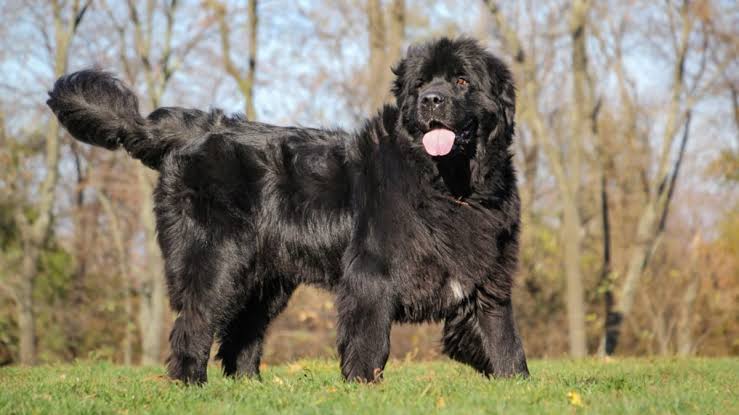
Newfoundlands have a magnificent thick double coat that requires regular grooming 🔬 What Makes a Dog Breed Hypoallergenic?Before discussing why Newfoundlands aren't hypoallergenic, it's important to understand what makes certain breeds more suitable for allergy sufferers. The term "hypoallergenic" doesn't mean completely allergen-free; rather, it refers to breeds that produce fewer allergens than others. 🧬 Key Characteristics of Hypoallergenic Breeds:Minimal Shedding Low to no shedding reduces airborne allergens
Single Coat One layer instead of double coat
Low Dander Produces less skin flakes
Predictable Hair Growth Hair grows continuously like human hair
The main allergens that trigger reactions in sensitive individuals include the Can f 1 protein found in dog saliva, dander (dead skin cells), urine, and sebaceous gland secretions. Hypoallergenic breeds typically produce lower levels of these proteins and shed less hair and dander into the environment. ✨ ↑ Back to Menu
The Newfoundland's gentle expression reflects their sweet temperament ❌ Why Newfoundlands Are NOT HypoallergenicNewfoundlands possess several characteristics that make them particularly unsuitable for individuals with dog allergies. Understanding these factors can help you make an informed decision about whether this breed is right for your household. 🐾 1. Heavy Double Coat 🧥Newfoundlands have a thick, water-resistant double coat consisting of a dense undercoat and a longer, coarser outer coat. This magnificent coat, while perfect for their historical role as water rescue dogs, is a significant source of allergens. The double layer traps dander close to the skin and releases it into the environment during shedding. 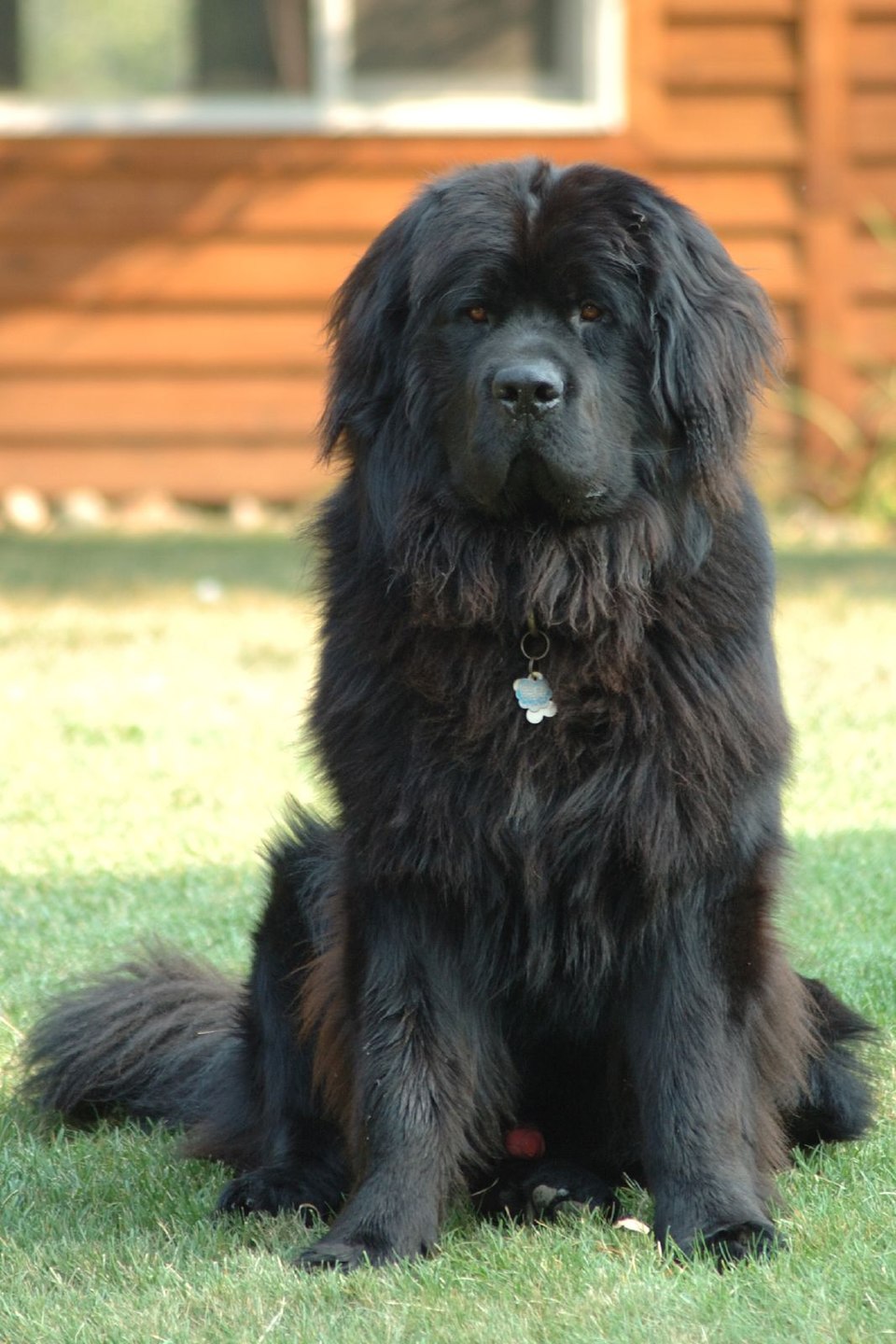
Their impressive size and thick coat make Newfoundlands high allergen producers 2. Substantial Shedding Year-Round 💨Newfoundlands shed continuously throughout the year, with two major seasonal blowouts in spring and fall. During these peak shedding periods, they can lose massive amounts of undercoat. This constant shedding means allergens are continuously distributed throughout your home on furniture, carpets, and in the air. 3. High Dander Production 🌪️Due to their size and coat type, Newfoundlands produce significant amounts of dander. Their large body surface area means more skin cells are shed daily compared to smaller breeds. This dander becomes airborne easily and can linger in the environment for extended periods. 
Despite not being hypoallergenic, Newfoundlands are incredibly gentle and loving with children 4. Drooling and Saliva Proteins 💧Newfoundlands are known for their tendency to drool, especially after drinking water or eating. Since saliva contains the Can f 1 protein—one of the primary allergens—this drooling spreads allergens on surfaces, toys, and anyone the dog interacts with. 5. Size Matters 📏As one of the giant breeds, weighing between 100-150 pounds (45-68 kg) and standing 26-28 inches (66-71 cm) tall, Newfoundlands simply have more surface area producing allergens. A larger dog means more fur, more dander, more saliva, and consequently, more allergen exposure. Important Note for Allergy Sufferers ⚠️If you have moderate to severe dog allergies, a Newfoundland is not a suitable choice. The combination of heavy shedding, high dander production, drooling, and large size creates an environment with significantly elevated allergen levels that can trigger persistent allergic reactions. 
Newfoundland puppies are adorable, but they'll grow into large dogs that produce significant allergens 🤧 Can People with Allergies Live with Newfoundlands?While Newfoundlands are not hypoallergenic, some individuals with very mild allergies might be able to manage living with one through diligent allergen management strategies. However, this requires significant commitment and may not be successful for everyone. 🏡 Assessing Your Allergy Severity 🩺Before considering a Newfoundland, honestly evaluate your allergy symptoms. People with severe allergies who experience respiratory distress, asthma attacks, or significant skin reactions should not attempt to live with this breed. Those with mild seasonal allergies or occasional symptoms might have better success with proper management. ✅ Positive Aspects for Allergy Management
❌ Challenges for Allergy Sufferers

Regular professional grooming is essential but also releases significant allergens into the environment Management Strategies (If You Proceed) 🛠️If you have mild allergies and are determined to share your home with a Newfoundland, consider these intensive management approaches:
🔍 Looking for a Truly Hypoallergenic Companion?Since Newfoundlands aren't suitable for allergy sufferers, why not explore breeds that are genuinely hypoallergenic? Our specialized breed selector helps you find the perfect low-allergen dog that matches your lifestyle and needs. Get personalized breed recommendations based on your allergy sensitivity and lifestyle in under 3 minutes! 
Active Newfoundlands spread allergens as they move and play 🔄 Hypoallergenic Alternatives to NewfoundlandsIf you're drawn to the Newfoundland's gentle nature, loyalty, and family-friendly temperament but need a hypoallergenic option, several breeds offer similar qualities with significantly lower allergen production. 🌟 Breeds with Similar Temperaments
Finding the Right Match 🎯While no breed perfectly replicates the Newfoundland's unique combination of size, temperament, and appearance, these alternatives offer similar personality traits with far better compatibility for allergy sufferers. The Bouvier des Flandres comes closest in size and protective nature, while the Portuguese Water Dog shares the Newfoundland's love of water and gentle disposition. 
The majestic Newfoundland in their element - but not ideal for allergy sufferers 💡 Practical Tips for Current Newfoundland Owners with AllergiesIf you already own a Newfoundland and are developing allergies or living with a family member who has allergies, rehoming isn't always the first option. Here are practical strategies to minimize allergen exposure while maintaining your beloved companion. ❤️ Daily Maintenance Routine 📅
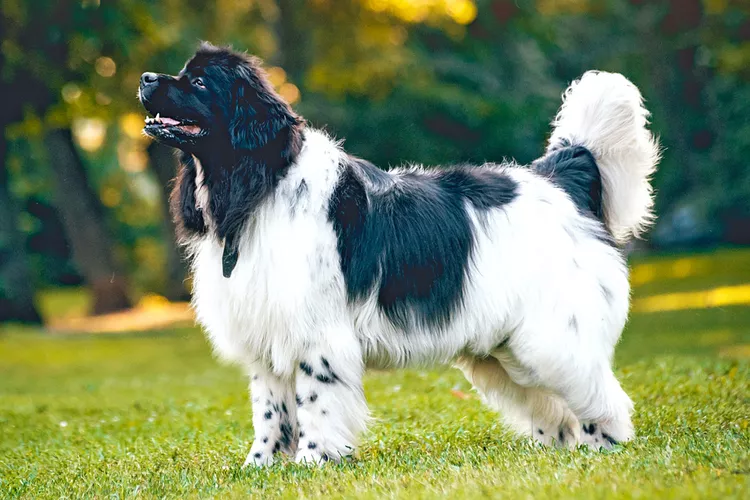
The distinctive Landseer color pattern of the Newfoundland breed Home Environment Optimization 🏡
Grooming Investment 💇♂️Professional grooming becomes essential rather than optional. Work with a groomer who:
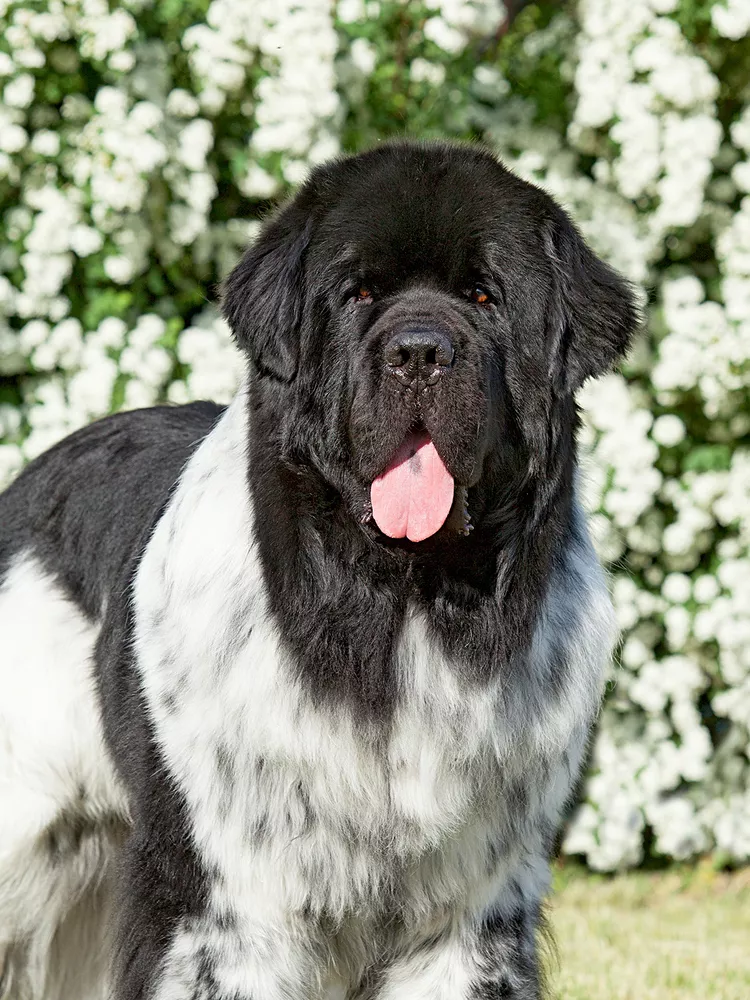
Newfoundlands require significant grooming commitment, especially for households with allergies Personal Protection Strategies 🛡️

Even the most adorable Newfoundland puppy will grow into a large allergen-producing adult 🧪 Testing Before Adopting a NewfoundlandIf you have allergies but are considering a Newfoundland, testing your reaction before commitment is absolutely crucial. This can prevent heartbreak and ensure the wellbeing of both you and the dog. 🔬 Spend Extended Time with the Breed 🕐Brief encounters aren't sufficient to gauge your allergic response. Arrange to spend several hours on multiple occasions with adult Newfoundlands in enclosed spaces. Visit during different seasons, as shedding intensity varies throughout the year. Allow the dogs to interact with you closely—petting, playing, and being in confined spaces together. Visit Multiple Environments 🏘️
Medical Testing Options 🩺Consult with an allergist who can perform:
Trial Period Considerations ⏰Some rescues or breeders may allow a trial adoption period. If this option is available:
Be Honest and Realistic ❗Falling in love with a Newfoundland is easy—their gentle nature and soulful eyes are irresistible. However, committing to a dog you're allergic to often leads to suffering for both you and the animal. If testing reveals significant reactions, consider this a sign to explore truly hypoallergenic alternatives. The right dog for you is one you can enjoy without constant discomfort. 💚 ❓ Frequently Asked QuestionsAre Newfoundlands hypoallergenic dogs? 🐕No, Newfoundlands are not hypoallergenic. They have a thick double coat that sheds heavily year-round, produce significant dander, and drool frequently, making them poor choices for allergy sufferers. Their large size also means more surface area producing allergens. Do Newfoundlands shed a lot? 💨Yes, Newfoundlands are heavy shedders. They shed continuously throughout the year with two major seasonal "blowouts" in spring and fall when they lose massive amounts of undercoat. Daily brushing is necessary to manage the constant shedding. Can I live with a Newfoundland if I have mild allergies? 🤔People with very mild allergies might manage living with a Newfoundland through intensive allergen management strategies, including daily outdoor brushing, HEPA filtration, frequent professional grooming, restricted access to certain rooms, and consistent allergy medication. However, those with moderate to severe allergies should avoid this breed. What makes Newfoundlands produce so many allergens? 🔬Newfoundlands produce high allergen levels due to their thick double coat that sheds constantly, large body size (more surface area), significant dander production, and tendency to drool (saliva contains allergen proteins). The combination of these factors creates an environment with elevated allergen exposure. Are there any hypoallergenic breeds similar to Newfoundlands? 🔄While no breed exactly replicates the Newfoundland, several hypoallergenic alternatives offer similar temperaments: Standard Poodles and Portuguese Water Dogs share the gentle, family-friendly nature and love of water; Bouviers des Flandres offer similar size and protective instincts; Giant Schnauzers provide loyalty and intelligence. All these breeds have low-shedding, hypoallergenic coats. How often should I groom a Newfoundland to reduce allergens? ✂️To minimize allergens, Newfoundlands require daily brushing (preferably outdoors), professional grooming every 6-8 weeks with de-shedding treatments, and bathing every 4-6 weeks. During seasonal shedding periods, even more frequent grooming may be necessary. However, even with extensive grooming, they remain unsuitable for most allergy sufferers. Do Newfoundland puppies produce fewer allergens than adults? 🐶Newfoundland puppies may temporarily produce slightly fewer allergens simply due to their smaller size and less developed coat. However, this is misleading—puppies quickly grow into large adults with full double coats that shed heavily. Making a decision based on puppy allergen levels will lead to problems as the dog matures. Are certain Newfoundland colors less allergenic? 🎨No, coat color makes no difference in allergen production. Black, brown, gray, and Landseer (black and white) Newfoundlands all have the same double coat structure and produce equivalent amounts of dander, saliva proteins, and shed hair. Allergen levels are determined by coat type and biology, not color. Can air purifiers completely eliminate Newfoundland allergens? 💨No, while HEPA air purifiers significantly reduce airborne allergens, they cannot eliminate all allergens from a home with a Newfoundland. Allergens settle on surfaces, are distributed through drool and direct contact, and are continuously produced. Air purifiers are helpful management tools but not a complete solution for allergy sufferers. Should I get allergy shots if I want a Newfoundland? 💉Immunotherapy (allergy shots) can help some people build tolerance to dog allergens over 3-5 years of treatment. However, success varies significantly between individuals, and there's no guarantee they'll work well enough to comfortably live with a high-allergen breed like a Newfoundland. Discuss this option thoroughly with your allergist before committing to a dog, and consider starting treatment before adoption to assess effectiveness. 🎯 Final ThoughtsNewfoundlands are magnificent dogs—gentle giants with hearts as big as their bodies, devoted family companions, and natural protectors of children. Their intelligence, loyalty, and sweet temperament make them truly special. However, their unsuitability for allergy sufferers is an undeniable reality that cannot be overcome through wishful thinking or even diligent management in most cases. 🐾 If you're drawn to the Newfoundland's wonderful qualities but have allergies, investing time in researching and meeting truly hypoallergenic alternatives will lead to a healthier, happier relationship with your future companion. The right dog allows you to fully enjoy the bond without constant medication, sneezing, or discomfort. Your perfect match is out there—and it's a dog you can breathe easily around, literally and figuratively. 💚 Remember that choosing a dog is a decade-plus commitment. Making an informed decision that prioritizes both your health and the dog's wellbeing ensures a loving, lasting relationship that enriches both your lives. ✨ | |||||||||||||||||||||||||||||||
|
| |||||||||||||||||||||||||||||||
| Переглядів: 335 | | | |||||||||||||||||||||||||||||||

| Total comments: 0 | |