🐕 Are Saint Bernards Hypoallergenic? No, here's why⚡ Quick Answer: No, Saint Bernards are NOT hypoallergenic! Saint Bernards are considered one of the least hypoallergenic dog breeds. They have a thick double coat that sheds heavily year-round, with particularly intense shedding during seasonal changes. Their abundant fur produces significant amounts of dander, saliva proteins, and other allergens that can trigger allergic reactions in sensitive individuals. While these gentle giants make wonderful family companions, they are not suitable for people with dog allergies. 🐾
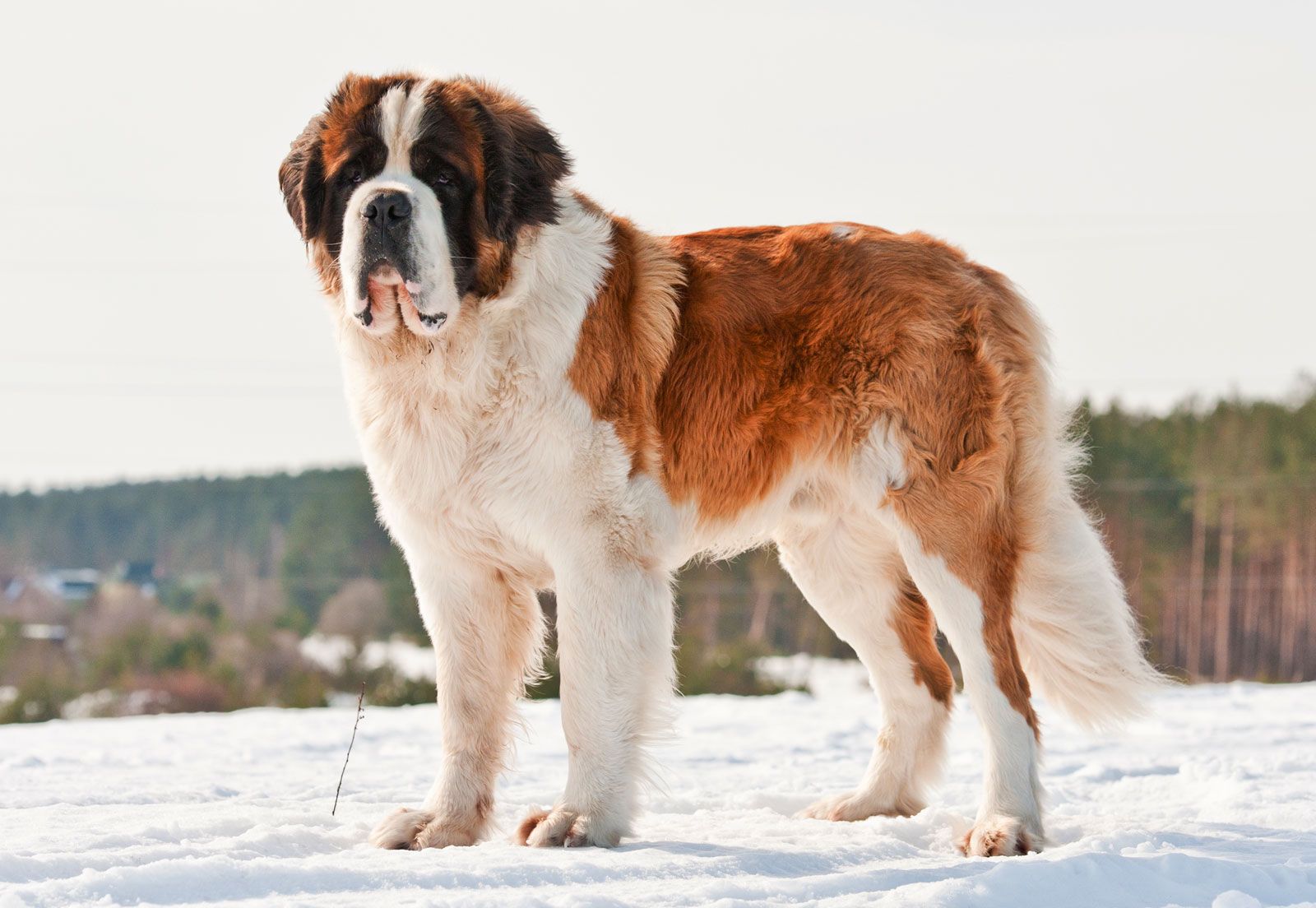
Majestic Saint Bernard in their natural snowy environment 🔬 What Makes a Dog Breed Hypoallergenic?Before diving into why Saint Bernards aren't hypoallergenic, it's essential to understand what makes certain dog breeds more suitable for allergy sufferers. The term "hypoallergenic" doesn't mean completely allergen-free, but rather describes breeds that produce fewer allergens and are less likely to trigger allergic reactions. 🧬 Key Characteristics of Hypoallergenic Breeds:Minimal Shedding Less fur release means fewer allergens spread throughout the home
Single Coat One layer of hair instead of double coat reduces dander production
Hair vs. Fur Hair grows continuously and sheds less than traditional fur
Lower Dander Reduced skin cell shedding minimizes primary allergen source
The primary dog allergen is a protein called Can f 1, which is found in dog dander (dead skin cells), saliva, and urine. When dogs shed their fur, these allergen-carrying particles become airborne and settle on surfaces throughout your home. Hypoallergenic breeds typically produce less dander and shed minimally, significantly reducing the amount of allergens in the environment. 🏠 
The gentle expression that makes Saint Bernards beloved family companions ❌ Why Saint Bernards Are NOT HypoallergenicSaint Bernards possess several characteristics that make them particularly challenging for people with allergies. Understanding these factors can help you make an informed decision about whether this breed is right for your household. 🐾 1. Heavy Double Coat 🧥Saint Bernards have a dense double coat consisting of a soft undercoat and a longer outer coat. This two-layer system was developed to protect them from harsh alpine weather conditions. There are two varieties: rough-coated (longer fur) and smooth-coated (shorter, denser fur). Both varieties shed considerably, though rough-coated Saint Bernards may appear to shed more due to the longer hair being more visible around the home. 2. Year-Round Shedding 📅Saint Bernards shed continuously throughout the year, with particularly intense "blowing" of their coat twice annually during spring and fall. During these seasonal transitions, the amount of fur they release can be truly astounding. Owners often describe finding clumps of fur throughout their homes during these periods, regardless of how frequently they vacuum or brush their dogs. 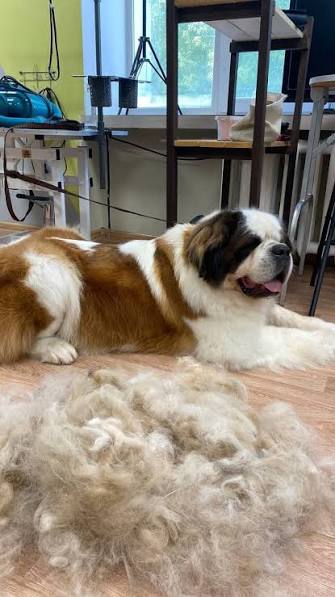
The impressive amount of fur a Saint Bernard can shed during grooming sessions 3. Substantial Dander Production 💨Due to their large size and thick coat, Saint Bernards produce significant amounts of dander. Their skin constantly renews itself, and with a body surface area much larger than smaller breeds, the total dander production is proportionally higher. This dander becomes trapped in their dense fur and is released into the environment as they move, shake, or shed. 4. Drooling and Saliva Allergens 💧Saint Bernards are notorious droolers, particularly after drinking water or when anticipating food. Dog saliva contains the Can f 1 protein, the same allergen found in dander. When Saint Bernards drool, they spread these allergens onto their fur, your furniture, floors, and anything they come into contact with. This creates an additional allergen source beyond just their shedding fur. 5. Large Size Means More Allergens 📏Adult Saint Bernards typically weigh between 120-180 pounds (54-82 kg) and stand 26-30 inches (66-76 cm) tall at the shoulder. Their massive size means more surface area for allergen production and more fur to shed. Simply put, a larger dog produces more allergens than a smaller one, all other factors being equal. 
A Saint Bernard mother with her adorable puppies enjoying autumn weather 🤧 Living with Saint Bernards When You Have AllergiesWhile Saint Bernards are not recommended for people with dog allergies, some individuals with mild sensitivities might still consider this breed due to their exceptional temperament and loyalty. If you're determined to live with a Saint Bernard despite allergies, it's crucial to understand the challenges and implement comprehensive allergy management strategies. ⚕️ ⚠️ Important Medical ConsiderationBefore committing to a Saint Bernard, consult with an allergist to assess your specific allergy severity. People with moderate to severe dog allergies should not attempt to live with Saint Bernards, as constant exposure can worsen symptoms and potentially lead to chronic respiratory issues. Your health should always be the primary consideration. Understanding Allergy Severity Levels 📊✅ Mild Allergies (Manageable)
❌ Moderate to Severe Allergies (Not Recommended)

Irresistibly cute Saint Bernard puppy - but consider allergies before falling in love The Reality of Daily Life 🏡Living with a Saint Bernard when you have allergies requires significant daily effort. You'll need to vacuum multiple times per week with a HEPA-filter vacuum, wash surfaces regularly, bathe your dog every few weeks (which is challenging given their size), and maintain strict grooming routines. Air purifiers must run continuously in common areas, and your dog should be kept out of bedrooms entirely. Even with all these measures, some allergen exposure is inevitable. ↑ Back to Menu🔄 Hypoallergenic Alternatives to Saint BernardsIf you love the gentle, loyal temperament of Saint Bernards but need a more allergy-friendly option, several hypoallergenic breeds share similar personality traits. While no dog is completely allergen-free, these breeds produce significantly fewer allergens and may be suitable for people with mild to moderate allergies. 🐕 🔍 Find Your Perfect Hypoallergenic CompanionNot sure which hypoallergenic breed matches your lifestyle and allergy needs? Our intelligent breed selector analyzes your living situation, activity level, and sensitivity to recommend the best hypoallergenic dogs for you and your family. Get personalized breed recommendations based on your unique situation in under 3 minutes! Comparison of Saint Bernard vs. Hypoallergenic Large Breeds

Saint Bernards are playful despite their calm demeanor Detailed Alternative Breed Recommendations 🎯Standard Poodle: If you appreciate the Saint Bernard's intelligence and trainability, Standard Poodles offer similar mental capabilities in a hypoallergenic package. They're highly versatile, excel at various activities, and form strong bonds with their families. While more active than Saint Bernards, they can adapt to a calmer lifestyle with proper exercise. Bouvier des Flandres: This Belgian breed most closely resembles Saint Bernards in temperament. Bouviers are gentle giants with calm, steady personalities and strong protective instincts. They're patient with children and devoted to their families. Their wiry coat sheds minimally and produces less dander than Saint Bernards. Giant Schnauzer: For those seeking a large, loyal guardian breed, Giant Schnauzers offer impressive size and unwavering devotion. They're more energetic than Saint Bernards but equally intelligent and trainable. Their harsh, wiry coat requires professional grooming but sheds very little. ↑ Back to Menu💡 Tips for Saint Bernard Owners with Mild AllergiesIf you already own a Saint Bernard or are committed to getting one despite mild allergies, implementing a comprehensive allergy management plan is essential. These strategies can help reduce allergen exposure, though they cannot eliminate it entirely. Success requires consistent effort and realistic expectations. 🧹 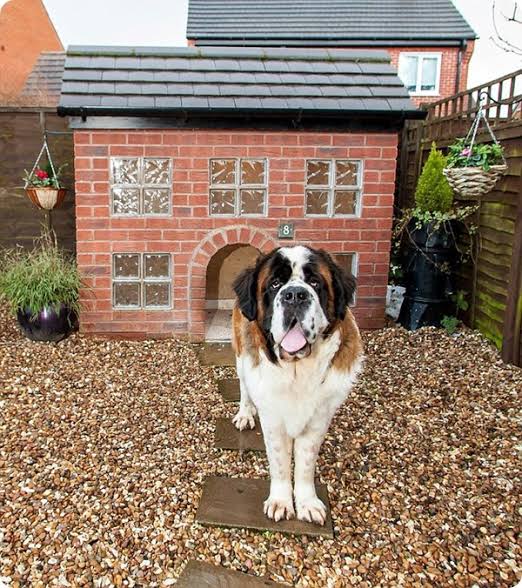
Creating an allergy-friendly home with a Saint Bernard requires dedicated effort 1. Establish Dog-Free Zones 🚫Your bedroom must remain completely off-limits to your Saint Bernard. This creates a sanctuary where you can sleep and recover from allergen exposure during the day. Keep the door closed at all times, use a separate HEPA air purifier in the bedroom, and wash your bedding weekly in hot water. Consider making other rooms dog-free as well, such as a home office or guest bedroom. 2. Invest in High-Quality Air Purification 💨Multiple HEPA air purifiers are non-negotiable when living with a Saint Bernard and allergies. Place units in every room where your dog spends time, particularly the living room and any space where they sleep. Change filters according to manufacturer recommendations or more frequently if needed. Look for purifiers specifically rated for pet dander and designed for your room size. 3. Rigorous Grooming Schedule ✂️Brush your Saint Bernard outdoors daily, or at minimum every other day. This removes loose fur and dander before it spreads throughout your home. During heavy shedding seasons, you may need to brush twice daily. Consider having a non-allergic family member handle grooming duties, or hire a professional groomer for regular appointments every 6-8 weeks. 4. Regular Bathing Protocol 🛁Bathe your Saint Bernard every 4-6 weeks using a hypoallergenic dog shampoo. More frequent bathing can dry out their skin and actually increase dander production. Given their massive size, bathing is a significant undertaking - many owners use professional grooming services. Some specialty shampoos claim to reduce allergens; while results vary, they may provide modest benefits. 5. Intensive Cleaning Routine 🧼Vacuum at least 3-4 times weekly using a vacuum with a HEPA filter and strong suction. Hard flooring is preferable to carpet, as it's easier to clean thoroughly. Mop hard floors weekly with a damp mop to capture remaining allergens. Wash your dog's bedding weekly in hot water, and use washable slipcovers on furniture your Saint Bernard is allowed on. 6. HVAC System Optimization ❄️Install high-quality HEPA filters in your heating and cooling system and change them monthly during heavy shedding seasons. Consider having your ducts professionally cleaned annually. Some HVAC specialists can install UV light systems that help reduce airborne allergens, though effectiveness varies. 
These energetic giants love outdoor activities, especially in cold weather 7. Personal Hygiene Measures 🧴Wash your hands immediately after touching your Saint Bernard, and avoid touching your face until you do. Change clothes after extended contact with your dog. Shower before bed to remove allergens from your hair and skin. Keep hand sanitizer available in multiple locations as a temporary measure when soap and water aren't immediately accessible. 8. Medical Management 💊Work with your allergist to develop an appropriate medication regimen. This might include daily antihistamines, nasal sprays, or even allergy immunotherapy (shots or sublingual tablets). Regular check-ins with your doctor ensure your allergy management strategy remains effective and that symptoms aren't worsening over time. 💰 Financial Reality CheckManaging allergies while owning a Saint Bernard involves significant ongoing costs. Budget for multiple HEPA air purifiers ($200-800 each), frequent vacuum filter replacements ($50-100/year), professional grooming ($80-150 per session), specialized cleaning products, and potentially higher medical expenses. The annual cost of allergy management can easily exceed $1,000-2,000 beyond normal dog ownership expenses. 🧪 Testing Before Adopting a Saint BernardIf you have allergies but are seriously considering a Saint Bernard, thorough pre-adoption testing is absolutely critical. Never rely on a brief meeting or assume your allergies won't be problematic. The stakes are too high - returning a dog after adoption is emotionally devastating for everyone involved and can be traumatic for the animal. 🐕 
Spending quality time with Saint Bernards before adoption helps assess allergy compatibility Step 1: Medical Consultation 👨⚕️Schedule an appointment with an allergist before any dog contact. They can perform skin prick tests or blood tests to determine the severity of your dog allergy and identify specific allergens triggering your reactions. Discuss your intention to adopt a Saint Bernard and ask for honest medical advice about whether this is feasible given your allergy profile. Step 2: Extended Exposure Testing 🏠Arrange multiple visits with Saint Bernards in various settings over several weeks. A single brief encounter won't reveal how your allergies respond to sustained exposure. Spend at least 2-3 hours at a time with the dogs, ideally in enclosed spaces similar to your home environment. Pay attention to symptom onset and severity. Ideal Testing Protocol:Week 1 Short visits (1-2 hours) to assess immediate reactions
Week 2 Longer visits (3-4 hours) in enclosed spaces
Week 3 Extended visits (4-6 hours) with direct contact
Week 4 Final evaluation and medical follow-up
Step 3: Document Your Reactions 📝Keep a detailed diary of symptoms during and after each exposure. Note when symptoms begin, their severity, how long they persist, and what medications (if any) provided relief. Take photos if you develop visible symptoms like hives or eye swelling. This documentation helps you and your doctor make an informed decision. Step 4: Foster or Trial Period 🏡If possible, arrange a foster period or trial adoption lasting at least 2-3 weeks. Some reputable breeders or rescue organizations offer trial periods for families with allergy concerns. This extended in-home exposure provides the most accurate assessment of long-term compatibility. Monitor symptoms daily and be honest with yourself about sustainability. Step 5: Have a Backup Plan 🔄Before finalizing adoption, identify what you'll do if allergies prove unmanageable. Does the breeder accept returns? Can the rescue organization take the dog back? Do you have friends or family who could adopt the dog? Having contingency plans reduces stress and ensures the dog's welfare regardless of outcome. ⚠️ Red Flags During TestingDo NOT proceed with adoption if you experience: Difficulty breathing or wheezing, development of asthma symptoms, severe itching or hives, symptoms requiring emergency medication, progressive worsening of reactions with each exposure, or symptoms that significantly impact your daily life or sleep quality. These indicate the breed is not suitable for you. 
These magnificent dogs deserve homes where everyone can enjoy their company comfortably ❓ Frequently Asked QuestionsAre there any hypoallergenic Saint Bernard mixes?No, there are no truly hypoallergenic Saint Bernard mixes. While crossbreeding with hypoallergenic breeds like Poodles (creating a "Saint Berdoodle") might slightly reduce shedding, the Saint Bernard genetics still contribute significant allergen production. These mixes remain unsuitable for people with moderate to severe dog allergies. Additionally, mixed breeds have unpredictable coat characteristics, so you cannot guarantee a low-shedding outcome. Is one type of Saint Bernard better for allergies than another?Both rough-coated (long-haired) and smooth-coated (short-haired) Saint Bernards are equally problematic for allergy sufferers. While smooth-coated varieties might appear to shed less due to shorter hair being less visible, they actually shed just as much and produce the same amount of dander. The allergen levels are comparable between both coat types, so neither offers an advantage for people with dog allergies. Can allergy shots help me live with a Saint Bernard?Allergy immunotherapy (shots or sublingual tablets) can reduce allergy severity for some people, but success varies greatly between individuals. Treatment typically takes 3-5 years to reach maximum effectiveness, and not everyone responds positively. You should never adopt a Saint Bernard counting on immunotherapy to solve your allergy problems. Instead, complete several months of treatment first, then conduct thorough exposure testing before considering adoption. Consult with your allergist about realistic expectations. Will I build up immunity to my Saint Bernard over time?This is a dangerous myth. While some people with very mild allergies might experience slight symptom reduction through constant exposure, many people find their allergies worsen over time. Chronic exposure to allergens can lead to increased sensitivity, development of asthma, or chronic respiratory issues. Never adopt a Saint Bernard hoping your allergies will improve - this gamble often ends in rehoming the dog and significant health consequences for the owner. How much do Saint Bernards shed compared to other breeds?Saint Bernards are among the heaviest-shedding dog breeds. They shed continuously year-round and experience particularly intense seasonal "coat blowing" twice annually. Their shedding exceeds that of most breeds due to their thick double coat and large size. Owners should expect to find dog hair on virtually every surface in their home and commit to daily brushing and frequent vacuuming. If you're looking for a low-shedding breed, Saint Bernards are definitely not the right choice. Are Saint Bernards good with children despite not being hypoallergenic?Saint Bernards are exceptional with children and known for their gentle, patient temperament. They're naturally protective without being aggressive and tolerate the noise and activity of family life remarkably well. However, if any family member has dog allergies, the breed's wonderful temperament doesn't override the allergy concerns. Children with allergies may experience worse symptoms than adults, as they tend to have more direct contact with pets. The dog's personality, while outstanding, cannot compensate for health concerns. What are the best dog breeds for families who want a large, gentle dog but need hypoallergenic options?For families seeking Saint Bernard-like qualities in a hypoallergenic package, consider Standard Poodles (intelligent, friendly, adaptable), Bouvier des Flandres (gentle, loyal, calm), Giant Schnauzers (protective, intelligent, devoted), or Portuguese Water Dogs (affectionate, energetic, loyal). While none match the Saint Bernard's exact temperament and massive size, these breeds offer similar devotion to family and low-allergen production. Research each breed thoroughly to find the best personality match for your household. Is it cruel to keep a Saint Bernard if someone in the household has allergies?If the allergic person can manage their symptoms without significant health impact or quality of life reduction, and if comprehensive allergy management strategies are consistently implemented, it's not inherently cruel. However, if the allergic person suffers constantly, requires strong medications, or the dog must be excessively restricted (kept primarily outdoors, confined to limited areas), then the situation is unfair to both human and animal. The dog deserves a home where they're fully welcomed, and humans deserve to be comfortable in their own space. 🎯 Final Thoughts: Making an Informed DecisionSaint Bernards are magnificent dogs with hearts as big as their bodies. Their gentle temperament, unwavering loyalty, and protective nature make them outstanding family companions. However, they are definitively NOT hypoallergenic and rank among the most challenging breeds for allergy sufferers. 💙 The combination of heavy year-round shedding, substantial dander production, considerable drooling, and massive size creates an allergen-rich environment that proves overwhelming for most people with dog allergies. While some individuals with very mild sensitivities might manage with heroic effort and expense, this requires honest assessment of your capabilities, financial resources, and commitment level. If you have dog allergies, the most responsible decision is typically choosing a truly hypoallergenic breed. Numerous wonderful dogs produce minimal allergens while offering loyalty, affection, and companionship. Your health and the dog's welfare both deserve priority consideration. 🏠 For those without allergies, Saint Bernards make incredible pets. They're patient with children, devoted to their families, and possess a calm dignity that's truly endearing. Just be prepared for the realities of their shedding, drooling, space requirements, and considerable grooming needs. These gentle giants reward their families with unconditional love and unwavering companionship. ❤️ 🔑 Key Takeaways
Remember: The right dog is one that brings joy to your entire household without compromising anyone's health or comfort. Take your time, do thorough research, and make the decision that's best for both you and your future canine companion. 🐾 | ||||||||||||||||||||||||||||||||||||
|
| ||||||||||||||||||||||||||||||||||||
| Переглядів: 275 | | | ||||||||||||||||||||||||||||||||||||

| Total comments: 0 | |